Ideology in Dance Learning for the Elementary School Students: Project-Based Evaluation
DOI:
https://doi.org/10.23917/ppd.v12i3.12159Keywords:
Ideology; Dance learning; Project-base evaluationAbstract
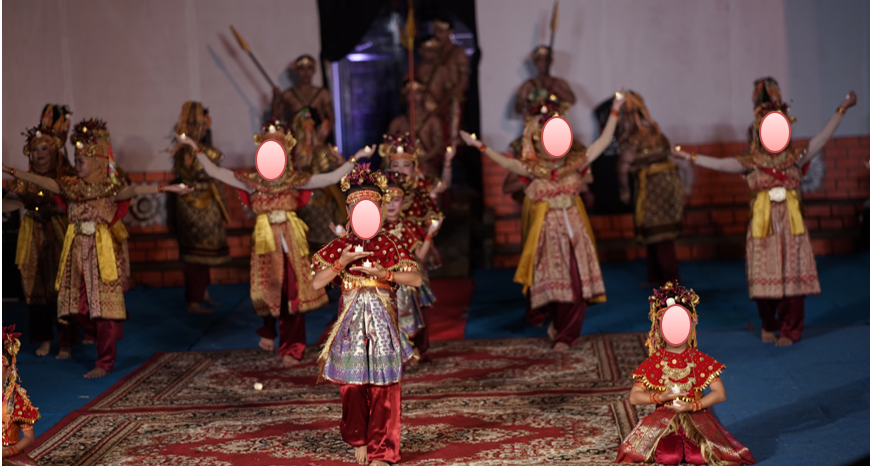
This study investigated the ideological dimensions of dance pedagogy within the context of performance-based competency examinations at Dinda Bestari Studio. Adopting a qualitative case study methodology, the research explored how cultural, social, and educational values were transmitted through traditional dance instruction in a non-formal educational setting. Data were gathered through participant observation, in-depth interviews with instructors and students, and the analysis of documented learning activities. The findings indicate that the project-based evaluation functioned as an assessment of skill proficiency that holistically considered students’ mastery of basic movements, artistic expression, presentation techniques, and cultural knowledge as interconnected dimensions of dance competence. This evaluation framework demonstrates that dance education within the studio functions as a strategic locus for character building and cultural awareness, thereby challenging the hegemony of formal curricula that frequently marginalise local values. The originality of this study lies in its integration of culturally grounded non-formal educational evaluation with a thematic analysis of ideology and character formation.
Downloads
Downloads
Submitted
Accepted
Published
How to Cite
Issue
Section
License
Copyright (c) 2025 Treny Hera, Agus Cahyono, M Malarsih, Eko Sugiarto, Muhammad Fazli Taib Bin Saearani

This work is licensed under a Creative Commons Attribution-NonCommercial 4.0 International License.