Artificial Intelligence in English Language Teaching: Opportunities and Challenges in Pakistan’s Elementary Schools
DOI:
https://doi.org/10.23917/ppd.v12i3.11435Keywords:
Academic integrity, AI tools, Artificial Intelligence, Language learningAbstract
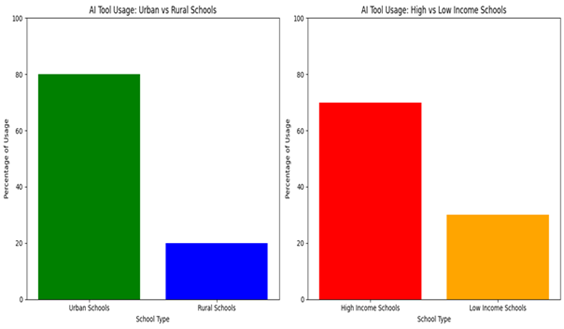
This research investigates the transformative role of Artificial Intelligence (AI) in teaching English in Pakistan's private primary schools. The study focuses on AI technologies such as Grammarly, ChatGPT, and Duolingo, examining their benefits and challenges in primary education. International studies have shown that AI aids in writing, feedback, and personalised learning; however, the impact of these tools in Pakistan’s primary schools remains underexplored. This gap is addressed by synthesising findings from global literature and examining how international trends are influencing local educational practices. The research method involves a systematic literature review of 57 articles from databases such as Scopus and ERIC. Using qualitative synthesis and theme classification according to PRISMA guidelines, the study identifies both positive outcomes, including enhanced engagement and improved language performance, and challenges, such as digital inequality, teachers' lack of preparedness, and an over-reliance on automation. The findings underscore the need for tailored ethical guidelines and ongoing professional development for teachers to ensure the effective and equitable integration of AI in primary school education.
Downloads
Downloads
Submitted
Accepted
Published
How to Cite
Issue
Section
License
Copyright (c) 2025 Shahzadi Hina Sain, Zohaib Hassan Sain, Rozanah Katrina Herda, Hari Widi

This work is licensed under a Creative Commons Attribution-NonCommercial 4.0 International License.