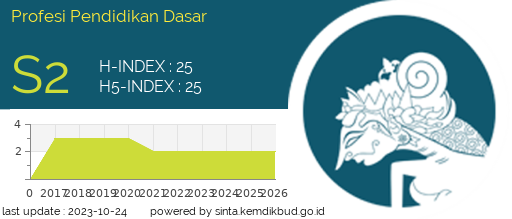
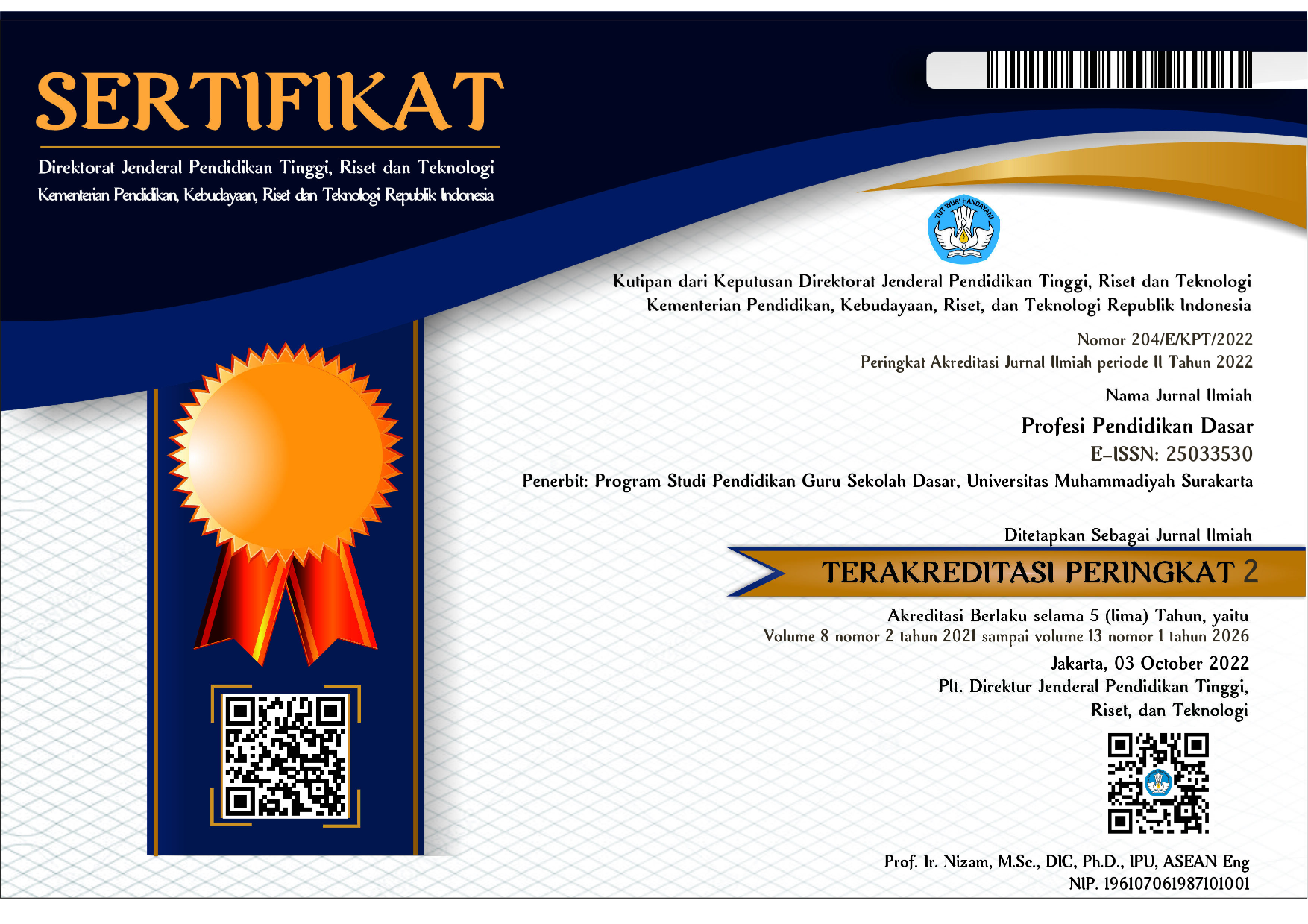
(Vol. 8, No. 2, December 2021 - Vol. 13, No. 1, July 2026)
Research misconduct is defined as fabrication, falsification, citation manipulation, or plagiarism in the production, performance, or review of research and writing articles by authors, or in the reporting of research results. When authors are found to be involved in research misconduct or other serious irregularities involving articles published in scientific journals, editors have a responsibility to ensure the accuracy and integrity of the scientific record.
In cases of suspected misconduct, the Editors and Editorial Board will use COPE best practices to help them resolve the complaint and address the misconduct fairly. The Editors will investigate the allegation. A manuscript that is found to contain such misconduct will be rejected. If such misconduct is discovered in a published paper, a retraction can be published and linked to the original article.
The first step is to determine the validity of the allegation and whether it is consistent with the definition of research misconduct. This initial step also includes determining whether the individuals alleging misconduct have relevant conflicts of interest.
If scientific misconduct or other significant research irregularities are suspected, the allegations are shared with the corresponding author, who is asked to provide a detailed response on behalf of all coauthors. Following receipt and evaluation of the response, additional review and participation of experts (such as statistical reviewers) may be obtained. In cases where it is unlikely that misconduct occurred, clarifications, additional analyses, or both, published as letters to the editor, often with a correction notice and correction to the published article, are sufficient.
Institutions are expected to conduct an appropriate and thorough investigation into allegations of scientific misconduct. Finally, authors, journals, and institutions have a significant obligation to ensure the accuracy of the scientific record. Profesi Pendidikan Dasar will continue to fulfill its responsibilities of ensuring the validity and integrity of the scientific record by responding appropriately to concerns about scientific misconduct and taking necessary actions based on these concerns, such as corrections, retractions with replacement, and retractions..
Publication decisions
Profesi Pendidikan Dasar journal's editor is in charge of determining which of the articles submitted to the journal should be published. Such decisions must always be driven by the validation of the work in question and its value to academics and readers. The editors may be led by the editorial board's policies and bound by the legal requirements in effect at the time addressing libel, copyright infringement, and plagiarism. In reaching this judgment, the editors may consult with other editors or reviewers.
(Vol. 8, No. 2, December 2021 - Vol. 13, No. 1, July 2026)