Vol. 7 No. 1 (2026)

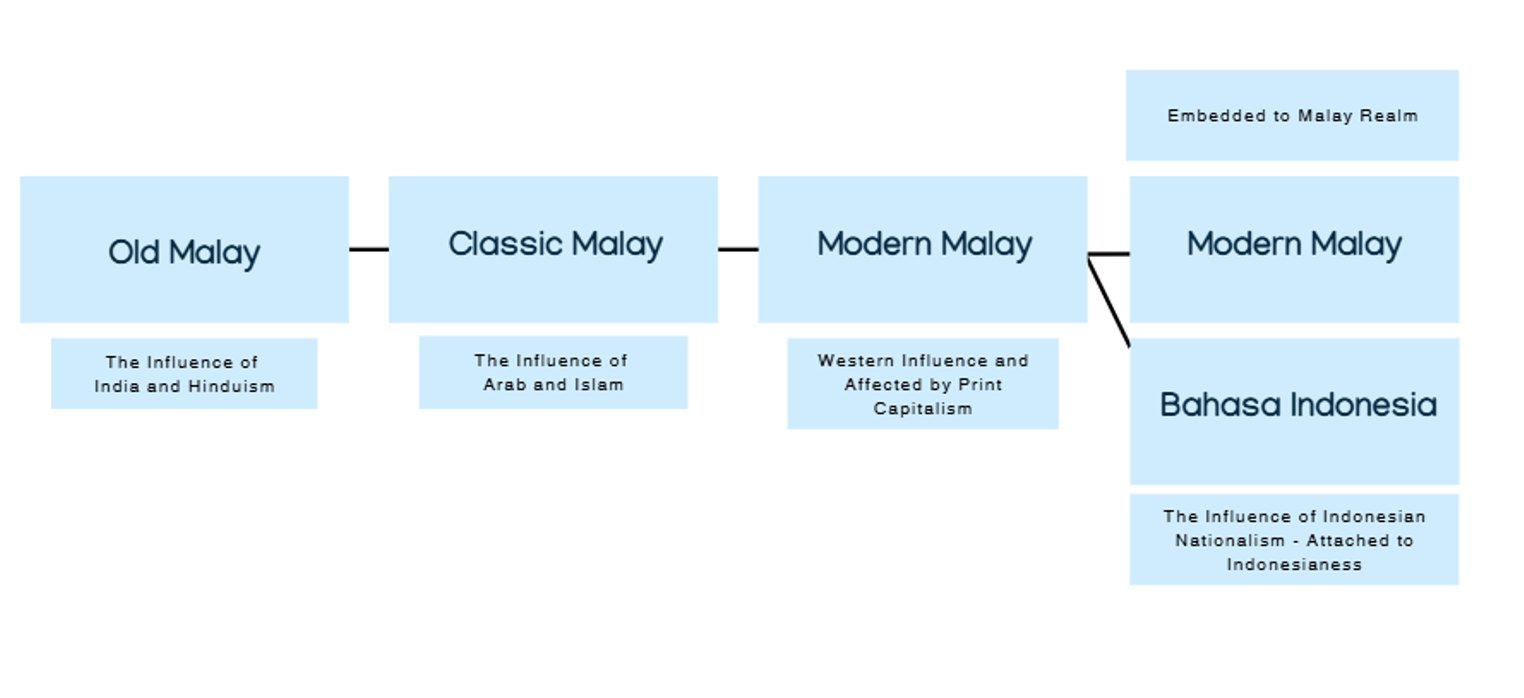
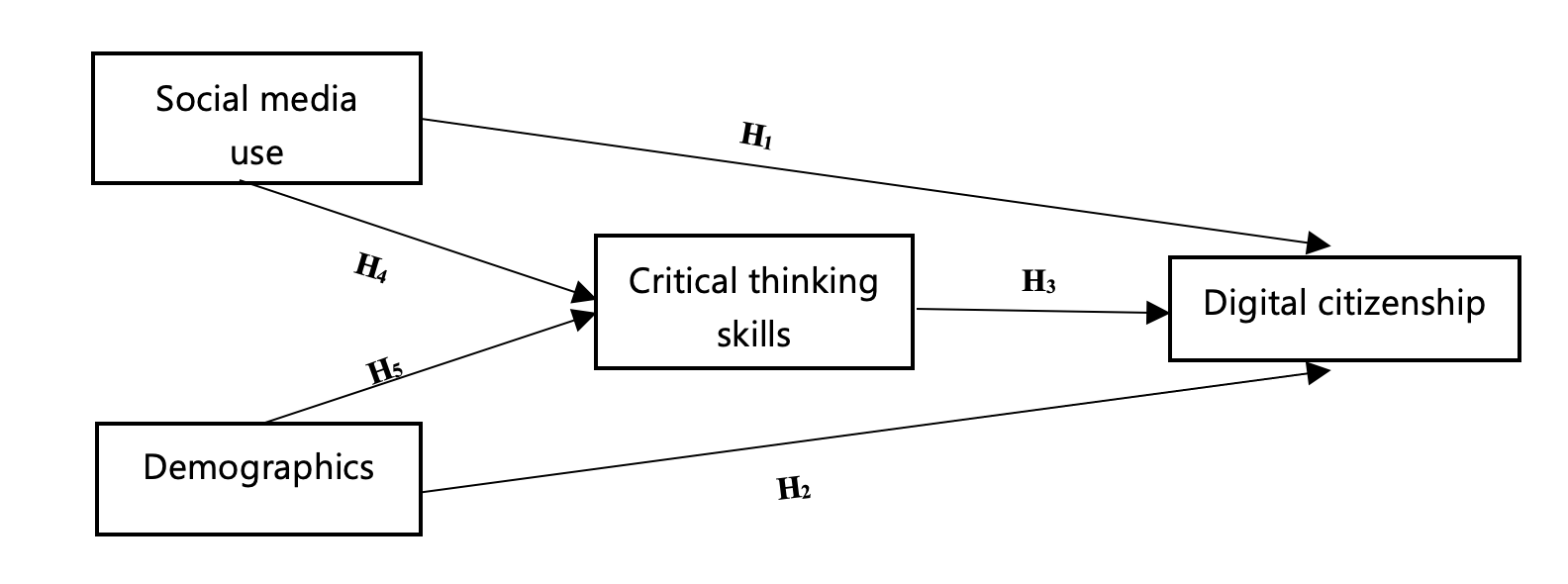
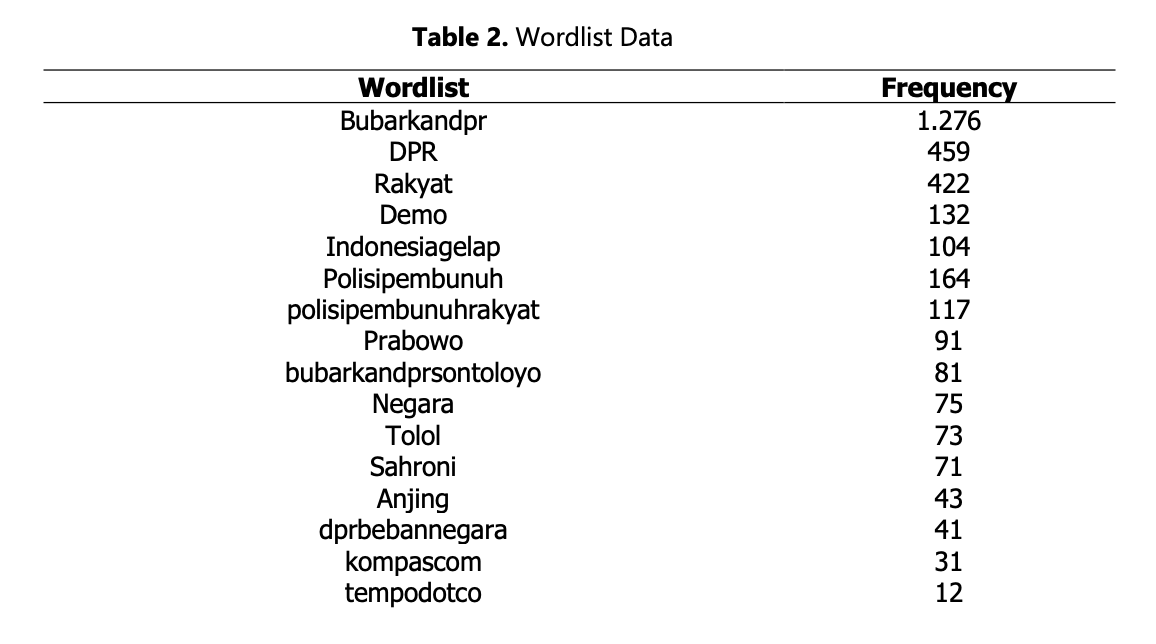
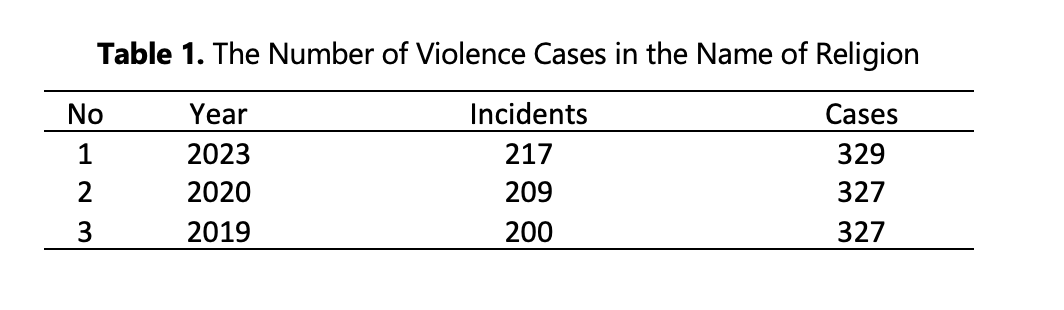
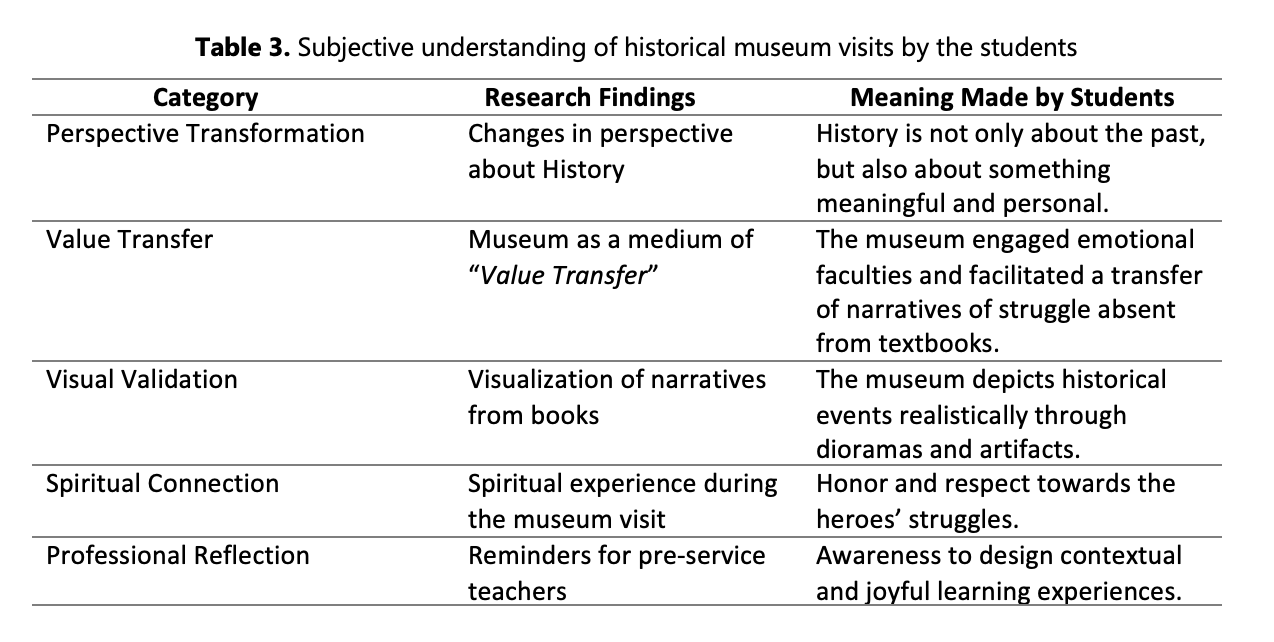
This issue continues the journal's commitment to interdisciplinary scholarship on contemporary social issues. The eight articles in this volume examine language, digital citizenship, democracy, religion, history, law, environmental sustainability, and ageing, showing how individuals, institutions, and society interact amid ongoing social transformation. The opening article revisits the historical development of Bahasa Indonesia, arguing that its formation was shaped by both sociolinguistic change and nationalist political struggle. Digital society emerges as a central theme: one study shows that critical thinking mediates the relationship between social media use and digital citizenship among prospective teachers, while another analyzes the #BubarkanDPR discourse on X to reveal how social media functions as a site of political resistance and democratic contestation. Religious moderation is explored through maqāṣid al-sharī'ah, arguing for contextual interpretations that support peaceful coexistence in Indonesia's plural society. A phenomenological study of museum visits shows how experiential learning strengthens historical awareness and civic identity.

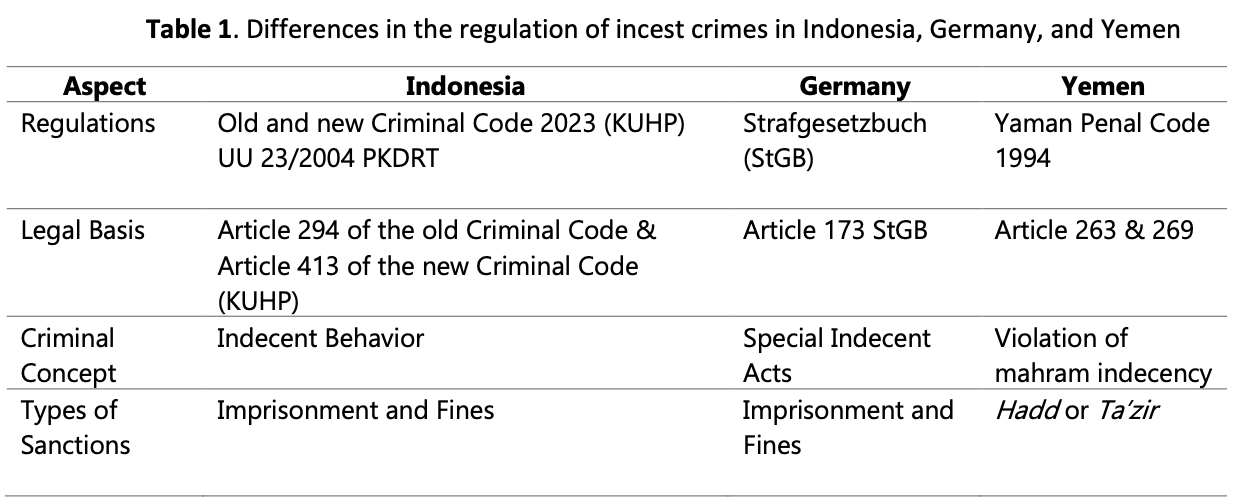
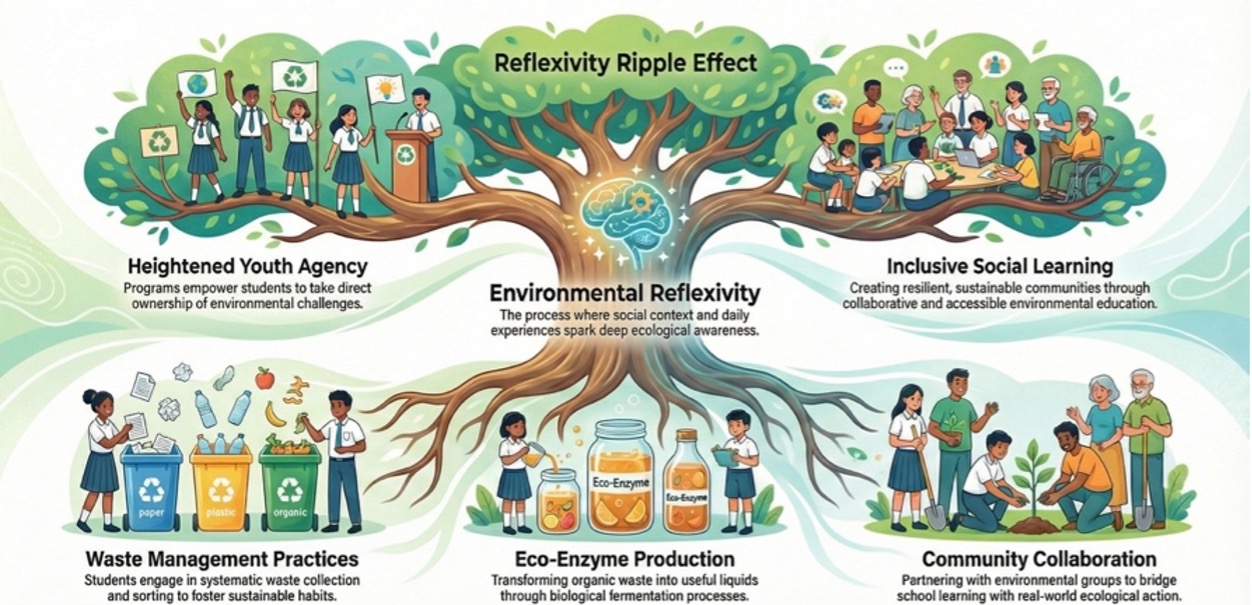
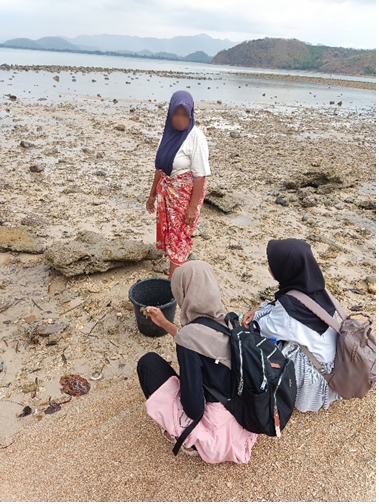
Legal and environmental perspectives broaden the issue. A comparative analysis of incest regulations in Indonesia, Germany, and Yemen shows how criminal law reflects differing moral, religious, and legal traditions. A qualitative study of school-based waste bank initiatives demonstrates how environmental responsibility develops through active participation. The final article examines the meaning of work among elderly informal workers in rural Indonesia, revealing that work is interpreted differently according to family roles and social responsibilities, offering insights into ageing, dignity, and economic vulnerability. Collectively, the articles in Volume 7, Number 1 (2026) demonstrate the value of interdisciplinary perspectives in understanding complex social realities. By integrating historical, educational, sociological, legal, and cultural analyses, this issue reinforces JPIIS's mission to publish rigorous, socially relevant scholarship that contributes to academic discourse, public policy, and community development.

Published: 2026-05-01

Articles