Diversity Climate as a Multilevel Strategic Mechanism: A Bibliometric and Scoping Review of Three Decades of Global Research
DOI:
https://doi.org/10.23917/indigenous.v11i2.16646Keywords:
Diversity climate, psychological well-being, team cohesion, employee retention, organizational performance, Inclusion, diversity management, cross-cultural educationAbstract
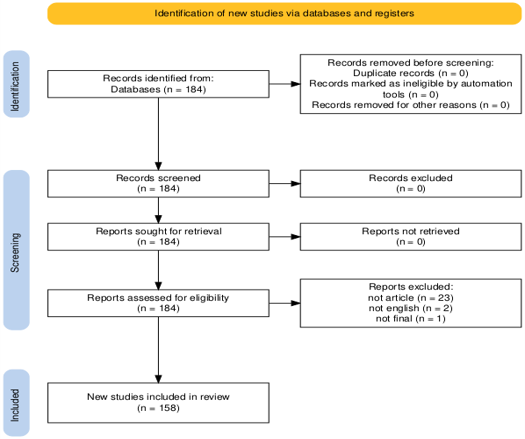
Diversity climate refers to shared perceptions of how organizations and educational institutions value, support, and fairly manage differences related to ethnicity, gender, culture, and other social identities. This study aims to map the global development of diversity climate research and synthesize evidence on its roles and outcomes. Using a combined bibliometric and scoping review of 158 Scopus-indexed articles published between 1993 and 2025, publication trends, key themes, and empirical patterns were identified, with 45 studies included in the qualitative synthesis. The results show a strong growth of diversity climate research since the late 2000s, dominated by Western countries but increasingly expanding to other regions. The findings indicate that diversity climate functions as a multilevel mechanism influencing psychological well-being, team cohesion, innovation, employee retention, and students' intercultural development. Overall, diversity climate plays a strategic role in transforming diversity into inclusion, resilience, and performance in culturally diverse institutions.
References
Aria, M., & Cuccurullo, C. (2017). bibliometrix: An R-tool for comprehensive science mapping analysis. Journal of Informetrics, 11(4), 959–975. https://doi.org/10.1016/j.joi.2017.08.007 DOI: https://doi.org/10.1016/j.joi.2017.08.007
Ayele, B. K., Wu, W., & Chen, C. (2024). Does diversity climate matter? The more respected I feel, the better I can do: unravelling the mechanisms enabling employees’ extra-role performance. Behavioral Sciences, 14(12), 1164. https://doi.org/10.3390/bs14121164 DOI: https://doi.org/10.3390/bs14121164
Azzahrah, A. A., & Dewi, D. A. (2021). Toleransi pada warga negara di Indonesia berlandaskan sila Ketuhanan Yang Maha Esa. De Cive : Jurnal Penelitian Pendidikan Pancasila Dan Kewarganegaraan, 1(6). https://doi.org/10.56393/decive.v1i6.229 DOI: https://doi.org/10.56393/decive.v1i6.229
Baas, J., Schotten, M., Plume, A., Côté, G., & Karimi, R. (2020). Scopus as a curated, high-quality bibliometric data source for academic research in quantitative science studies. Quantitative Science Studies, 1(1), 377–386. https://doi.org/10.1162/qss_a_00019 DOI: https://doi.org/10.1162/qss_a_00019
Badan Pusat Statistik. (2024). Profil suku dan keragaman bahasa daerah hasil Long Form Sensus Penduduk 2020. Badan Pusat Statistika. Retrieved from https://www.bps.go.id/id/publication/2024/12/12/6feb932e24186429686fb57b/
profile-of-ethnic-groups-and-regional-language-diversity-results-of-the-2020-population-census-long-form.html
Baig, L. D., Azeem, M. F., & Paracha, A. (2022). Cultivating innovative work behavior of nurses through diversity climate: The mediating role of job crafting. SAGE Open Nursing, 8, 23779608221095432. https://doi.org/10.1177/23779608221095432 DOI: https://doi.org/10.1177/23779608221095432
Barak, M. E. M., Cherin, D. A., & Berkman, S. (1998). Organizational and personal dimensions in diversity climate: Ethnic and gender differences in employee perceptions. The Journal of Applied Behavioral Science, 34(1), 82–104. https://doi.org/10.1177/0021886398341006 DOI: https://doi.org/10.1177/0021886398341006
Barak, M. E. M., Travis, D., & Bess, G. (2004). Exploring Managers’ and Administrators’ Retrospective Perceptions of Their MSW Fieldwork Experience: A National Study. Administration in Social Work, 28(1), 21–44. https://doi.org/10.1300/J147v28n01_03 DOI: https://doi.org/10.1300/J147v28n01_03
Baysu, G., Grew, E., Hillekens, J., & Phalet, K. (2024). Trajectories of ethnic discrimination and school adjustment of ethnically minoritized adolescents: The role of school diversity climate. Child Development, 95(6), 2215–2231. https://doi.org/10.1111/cdev.14133 DOI: https://doi.org/10.1111/cdev.14133
Boehm, S. A., Dwertmann, D. J. G., Kunze, F., Michaelis, B., Parks, K. M., & McDonald, D. P. (2014). Expanding insights on the diversity climate–performance link: The role of Workgroup discrimination and group size. Human Resource Management, 53(3), 379–402. https://doi.org/10.1002/hrm.21589 DOI: https://doi.org/10.1002/hrm.21589
Boehm, S. A., Kunze, F., & Bruch, H. (2014). Spotlight on age-diversity climate: The impact of age-inclusive HR practices on firm-level outcomes. Personnel Psychology, 67(3), 667–704. https://doi.org/10.1111/peps.12047 DOI: https://doi.org/10.1111/peps.12047
Bogilović, S., Bortoluzzi, G., Černe, M., Ghasemzadeh, K., & Žnidaršič, J. (2021). Diversity, climate and innovative work behavior. European Journal of Innovation Management, 24(5), 1502–1524. https://doi.org/10.1108/EJIM-03-2020-0100 DOI: https://doi.org/10.1108/EJIM-03-2020-0100
Casad, B. J., & Bryant, W. J. (2016). Addressing stereotype threat is critical to diversity and inclusion in organizational psychology. Frontiers in Psychology, 7(8). https://doi.org/10.3389/fpsyg.2016.00008 DOI: https://doi.org/10.3389/fpsyg.2016.00008
Chen, X.-P., Liu, D., & Portnoy, R. (2012). A multilevel investigation of motivational cultural intelligence, organizational diversity climate, and cultural sales: Evidence from U.S. real estate firms. Journal of Applied Psychology, 97(1), 93–106. https://doi.org/10.1037/a0024697 DOI: https://doi.org/10.1037/a0024697
Cunningham, J. B. (2023). Defining the climate for inclusiveness and multiculturalism: Linking to context. Administrative Sciences, 13(4), 100. https://doi.org/10.3390/admsci13040100 DOI: https://doi.org/10.3390/admsci13040100
Dhanasekar, Y., & Anandh, K. (2025). From diversity to engagement: The mediating role of job satisfaction in the link between diversity climate and organizational withdrawal. Buildings, 15(13), 2368. https://doi.org/10.3390/ DOI: https://doi.org/10.3390/buildings15132368
buildings15132368
Donthu, N., Kumar, S., Mukherjee, D., Pandey, N., & Lim, W. M. (2021). How to conduct a bibliometric analysis: An overview and guidelines. Journal of Business Research, 133, 285–296. https://doi.org/10.1016/j.jbusres. DOI: https://doi.org/10.1016/j.jbusres.2021.04.070
2021.04.070
Dwertmann, D. J. G., Nishii, L. H., & Van Knippenberg, D. (2016). Disentangling the fairness & discrimination and synergy perspectives on diversity climate: Moving the field forward. Journal of Management, 42(5), 1136–1168. https://doi.org/10.1177/0149206316630380 DOI: https://doi.org/10.1177/0149206316630380
Essuman, M. A., Adom, D., Asare-Aboagye, I., & Owusu Panin, K. B. (2024). Visual Eisegesis on Newly Created Ghanaian Cultural Symbols with Inspirations from Existing Adinkra Symbols in Ghana. Indigenous: Jurnal Ilmiah Psikologi, 9(2), 196–217. https://doi.org/10.23917/indigenous.v9i2.5795 DOI: https://doi.org/10.23917/indigenous.v9i2.5795
Farid, R., Cahyati, S. C. A., Qadri, R. A., & Anggiani, S. (2025). Trend of diversity management and organizational performance among Generation Y and Z employees. JBTI : Jurnal Bisnis : Teori Dan Implementasi, 16(2), press. https://doi.org/10.18196/jbti.v16i2.27388 DOI: https://doi.org/10.18196/jbti.v16i2.27388
Filipovska, S. (2024). Transforming educational environments: A comprehensive analysis of diversity and inclusion strategies and their outcomes. Teacher, (27), 117–123. https://doi.org/10.20544/teacher.27.15 DOI: https://doi.org/10.20544/teacher.27.15
Findler, L., Wind, L. H., & Barak, M. E. M. (2007). The Challenge of Workforce Management in a Global Society: Modeling the Relationship Between Diversity, Inclusion, Organizational Culture, and Employee Well-Being, Job Satisfaction and Organizational Commitment. Administration in Social Work, 31(3), 63–94. https://doi.org/10.1300/J147v31n03_05 DOI: https://doi.org/10.1300/J147v31n03_05
Gonzalez, J. A., & DeNisi, A. S. (2009). Cross‐level effects of demography and diversity climate on organizational attachment and firm effectiveness. Journal of Organizational Behavior, 30(1), 21–40. https://doi.org/10.1002/job.498 DOI: https://doi.org/10.1002/job.498
Hajro, A., Gibson, C. B., & Pudelko, M. (2017). Knowledge exchange processes in multicultural teams: Linking organizational diversity climates to teams’ effectiveness. Academy of Management Journal, 60(1), 345–372. https://doi.org/10.5465/amj.2014.0442 DOI: https://doi.org/10.5465/amj.2014.0442
Hardeman, R. R., Przedworski, J. M., Burke, S., Burgess, D. J., Perry, S., Phelan, S., Dovidio, J. F., & Van Ryn, M. (2016). Association between perceived medical school diversity climate and change in depressive symptoms among medical students: A report from the medical student change study. Journal of the National Medical Association, 108(4), 225–235. https://doi.org/10.1016/j.jnma.2016.08.005 DOI: https://doi.org/10.1016/j.jnma.2016.08.005
Hofhuis, J., Van Der Rijt, P. G. A., & Vlug, M. (2016). Diversity climate enhances work outcomes through trust and openness in workgroup communication. SpringerPlus, 5(1), 714. https://doi.org/10.1186/s40064-016-2499-4 DOI: https://doi.org/10.1186/s40064-016-2499-4
Hundschell, A., Backmann, J., Tian, A. W., & Hoegl, M. (2025). Leader inclusiveness and team resilience capacity in multinational teams: The role of organizational diversity climate. Journal of Organizational Behavior, 46(3), 369–384. https://doi.org/10.1002/job.2829 DOI: https://doi.org/10.1002/job.2829
Ialuna, F., Civitillo, S., Schachner, M. K., & Jugert, P. (2025). Culturally responsive teaching self-efficacy and cultural diversity climate are positively associated with the academic and psychological adjustment of immigrant and nonimmigrant students. Cultural Diversity & Ethnic Minority Psychology, 31(4), 683–698. https://doi.org/10.1037/cdp0000697 DOI: https://doi.org/10.1037/cdp0000697
Ingusci, E. (2018). Diversity climate and job crafting: The role of age. The Open Psychology Journal, 11(1), 105–111. https://doi.org/10.2174/1874350101811010105 DOI: https://doi.org/10.2174/1874350101811010105
Jiang, Z. (2024). Cross-level effects of diversity climate on employee organizational identification: Evidence from law enforcement units. Public Performance & Management Review, 47(1), 56–88. https://doi.org/10.1080/15309576.2023.2184401 DOI: https://doi.org/10.1080/15309576.2023.2184401
Karyaningsih, R. P. D., Rachmadania, R. F., & Yusran, I. P. (2022). The effect of diversity, organizational climate, and organizational commitment on organizational citizenship behavior on vocational school teachers in South Jakarta. Jurnal Pendidikan Ekonomi, Perkantoran, Dan Akuntansi, 3(2), 293–308. https://doi.org/10.21009/jpepa.0302.20 DOI: https://doi.org/10.21009/jpepa.0302.20
Katadata. (2024). Data indeks toleransi Indonesia 2015–2024 | pusat data ekonomi dan Bisnis Indonesia | Databoks. Data Indeks Toleransi Indonesia 2015-2024. Retrieved from https://databoks.katadata.co.id/demografi/statistik/
683eb5a7a33d7/data-indeks-toleransi-indonesia-2015-2024
Kossek, E. E., & Zonia, S. C. (1993). Assessing diversity climate: A field study of reactions to employer efforts to promote diversity. Journal of Organizational Behavior, 14(1), 61–81. https://doi.org/10.1002/job.4030140107 DOI: https://doi.org/10.1002/job.4030140107
Lee, J., & Shin, H. (2024). Effects of inclusive leadership on the diversity climate and change-oriented organizational citizenship behavior. Behavioral Sciences, 14(6), 491. https://doi.org/10.3390/bs14060491 DOI: https://doi.org/10.3390/bs14060491
Leslie, L. M., & Flynn, E. (2024). Diversity ideologies, beliefs, and climates: A review, integration, and set of recommendations. Journal of Management, 50(3), 849–876. https://doi.org/10.1177/01492063221086238 DOI: https://doi.org/10.1177/01492063221086238
Mailin, M., Firmansyah, Amiruddin, Dalimunthe, M. A., Abdurrahman, & Zein, A. (2023). Exploring intercultural communication in Indonesia: Cultural values, challenges, and strategies. Journal of Namibian Studies : History Politics Culture, 33. https://doi.org/10.59670/jns.v33i.657 DOI: https://doi.org/10.59670/jns.v33i.657
Mansoor, S., Tran, P. A., & Ali, M. (2021). Employee outcomes of supporting and valuing diversity: Mediating role of diversity climate. Organization Management Journal, 18(1), 19–35. https://doi.org/10.1108/OMJ-09-2019-0801 DOI: https://doi.org/10.1108/OMJ-09-2019-0801
Mawardi, K. (2024). Dynamics of multiculturalism and religious pluralism: Strategies for building social cohesion in Indonesia. Asian Journal of Philosophy and Religion, 3(1), 45–62. https://doi.org/10.55927/ajpr.v3i1.10130 DOI: https://doi.org/10.55927/ajpr.v3i1.10130
McCallaghan, S., Jackson, L., & Heyns, M. (2019). Exploring organisational diversity climate with associated antecedents and employee outcomes. SA Journal of Industrial Psychology, 45. https://doi.org/10.4102/sajip.v45i0.1614 DOI: https://doi.org/10.4102/sajip.v45i0.1614
McCallaghan, S., Jackson, L., & Heyns, M. (2020). The indirect effect of servant leadership on employee attitudes through diversity climate in selected South African organisations. SA Journal of Human Resource Management, 18. https://doi.org/10.4102/sajhrm.v18i0.1297 DOI: https://doi.org/10.4102/sajhrm.v18i0.1297
McKay, P. F., Avery, D. R., Liao, H., & Morris, M. A. (2011). Does Diversity Climate Lead to Customer Satisfaction? It Depends on the Service Climate and Business Unit Demography. Organization Science, 22(3), 788–803. https://doi.org/10.1287/orsc.1100.0550 DOI: https://doi.org/10.1287/orsc.1100.0550
McKay, P. F., Avery, D. R., & Morris, M. A. (2008). Mean racial-ethnic differences in employee sales performance: The moderating role of diversity climate. Personnel Psychology, 61(2), 349–374. https://doi.org/10.1111/j.1744-6570.2008.00116.x DOI: https://doi.org/10.1111/j.1744-6570.2008.00116.x
McKay, P. F., Avery, D. R., & Morris, M. A. (2009). A tale of two climates: Diversity climate from subordinates’ and managers’ perspectives and their role in store unit sales performance. Personnel Psychology, 62(4), 767–791. https://doi.org/10.1111/j.1744-6570.2009.01157.x DOI: https://doi.org/10.1111/j.1744-6570.2009.01157.x
McKay, P. F., Avery, D. R., & Morris, M. A. (2014). Diversity climate scale–4 item version [Data set]. https://doi.org/10.1037/t35623-000 DOI: https://doi.org/10.1037/t35623-000
McKay, P. F., Avery, D. R., Tonidandel, S., Morris, M. A., Hernandez, M., & Hebl, M. R. (2007). Racial differences in employee retention: Are diversity climate perceptions the key? Personnel Psychology, 60(1), 35–62. https://doi.org/10.1111/j.1744-6570.2007.00064.x DOI: https://doi.org/10.1111/j.1744-6570.2007.00064.x
Mera-Lemp, M. J., Pizarro, J. J., & Guglielmetti-Serrano, F. (2025). Bridging cultures: The role of school’s cultural diversity climate and cultural sensitivity in immigrant parents’ school involvement. Frontiers in Psychology, 16, 1561863. https://doi.org/10.3389/fpsyg.2025.1561863 DOI: https://doi.org/10.3389/fpsyg.2025.1561863
Mosha, N. F. V., & Ngulube, P. (2024). Health Challenges Experienced by Widows in Low- and Middle-Income Countries: A Systematic Review. Indigenous: Jurnal Ilmiah Psikologi, 9(3). https://doi.org/10.23917/indigenous.v9i3.5684 DOI: https://doi.org/10.23917/indigenous.v9i3.5684
Mouro, C., & Duarte, A. P. (2021). Organisational climate and pro-environmental behaviours at work: The mediating role of personal norms. Frontiers in Psychology, 12, 635739. https://doi.org/10.3389/fpsyg.2021.635739 DOI: https://doi.org/10.3389/fpsyg.2021.635739
Munn, Z., Peters, M. D. J., Stern, C., Tufanaru, C., McArthur, A., & Aromataris, E. (2018). Systematic review or scoping review? Guidance for authors when choosing between a systematic or scoping review approach. BMC Medical Research Methodology, 18(1), 143. https://doi.org/10.1186/s12874-018-0611-x DOI: https://doi.org/10.1186/s12874-018-0611-x
Nur, A. R., & Renanita, T. (2025). Adaptation and Psychometric Properties of The Indonesian Version of The Financial Well-Being Scale. Indigenous: Jurnal Ilmiah Psikologi, 10(2), 173–191. https://doi.org/10.23917/indigenous.v10i2.11823 DOI: https://doi.org/10.23917/indigenous.v10i2.11823
Page, M. J., McKenzie, J. E., Bossuyt, P. M., Boutron, I., Hoffmann, T. C., Mulrow, C. D., Shamseer, L., Tetzlaff, J. M., Akl, E. A., Brennan, S. E., Chou, R., Glanville, J., Grimshaw, J. M., Hróbjartsson, A., Lalu, M. M., Li, T., Loder, E. W., Mayo-Wilson, E., McDonald, S., … Moher, D. (2021). The PRISMA 2020 statement: An updated guideline for reporting systematic reviews. BMJ, n71. https://doi.org/10.1136/bmj.n71 DOI: https://doi.org/10.1136/bmj.n71
Profili, S., Innocenti, L., & Sammarra, A. (2017). A Conceptual Framework of Age Diversity Climate. In Age Diversity in the Workplace (pp. 95–116). Emerald Publishing Limited. https://doi.org/10.1108/S1877-636120170000017006 DOI: https://doi.org/10.1108/S1877-636120170000017006
Raimann, J., Reich-Stiebert, N., Voltmer, J.-B., & Stürmer, S. (2025). Male students in female-dominated study programs: Perceived diversity climate in gender-mixed computer-supported collaborative learning. Psychology Learning & Teaching, 24(1), 20–37. https://doi.org/10.1177/14757257241246599 DOI: https://doi.org/10.1177/14757257241246599
Sari, M. (2022). Kebhinekaan dan keberagaman: Kerukunan umat beragama di tengah pluralitas. MASALIQ, 2(2), 282–299. https://doi.org/10.58578/masaliq.v2i2.317 DOI: https://doi.org/10.58578/masaliq.v2i2.317
Schachner, M. K., Noack, P., Van De Vijver, F. J. R., & Eckstein, K. (2016). Cultural diversity climate and psychological adjustment at school—Equality and inclusion versus cultural pluralism. Child Development, 87(4), 1175–1191. https://doi.org/10.1111/cdev.12536 DOI: https://doi.org/10.1111/cdev.12536
Schwarzenthal, M., Schachner, M. K., Juang, L. P., & Van De Vijver, F. J. R. (2020). Reaping the benefits of cultural diversity: Classroom cultural diversity climate and students’ intercultural competence. European Journal of Social Psychology, 50(2), 323–346. https://doi.org/10.1002/ejsp.2617 DOI: https://doi.org/10.1002/ejsp.2617
Shen, W., Lam, J., Varty, C. T., Krstic, A., & Hideg, I. (2024). Diversity climate affords unequal protection against incivility among Asian workers: The COVID‐19 pandemic as a racial mega‐threat. Applied Psychology, 73(1), 34–56. https://doi.org/10.1111/apps.12462 DOI: https://doi.org/10.1111/apps.12462
Sinaga, A. V., Sianipar, R., Kartini, Arsal, U. W., & Sihombing, L. (2026). Membangun harmoni sosial: Penguatan sikap toleransi dalam masyarakat multikultural. Jurnal Abdimas Maduma, 5(1), 168–175. https://doi.org/10.52622/jam.v5i1.628 DOI: https://doi.org/10.52622/jam.v5i1.628
Sincer, I., Volman, M., Van Der Veen, I., & Severiens, S. (2021). The relationship between ethnic school composition, school diversity climate and students’ competences in dealing with differences. Journal of Ethnic and Migration Studies, 47(9), 2039–2064. https://doi.org/10.1080/1369183X.2020.1846508 DOI: https://doi.org/10.1080/1369183X.2020.1846508
Szalacha, L. A. (2003). Safer Sexual Diversity Climates: Lessons Learned from an Evaluation of Massachusetts Safe Schools Program for Gay and Lesbian Students. American Journal of Education, 110(1), 58–88. https://doi.org/10.1086/377673 DOI: https://doi.org/10.1086/377673
Tajfel, H., & Turner, J. C. (2004). The social identity theory of intergroup behavior. In J. T. Jost & J. Sidanius (Eds), Political Psychology (0 edn, pp. 276–293). Psychology Press. https://doi.org/10.4324/9780203505984-16 DOI: https://doi.org/10.4324/9780203505984-16
Travis, D. J., Gomez, R. J., & Mor Barak, M. E. (2011). Speaking up and stepping back: Examining the link between employee voice and job neglect. Children and Youth Services Review, 33(10), 1831–1841. https://doi.org/10.1016/j.childyouth.2011.05.008 DOI: https://doi.org/10.1016/j.childyouth.2011.05.008
Ulbricht, J., Schachner, M. K., Civitillo, S., & Noack, P. (2022). Teachers’ acculturation in culturally diverse schools—How is the perceived diversity climate linked to intercultural self-efficacy? Frontiers in Psychology, 13, 953068. https://doi.org/10.3389/fpsyg.2022.953068 DOI: https://doi.org/10.3389/fpsyg.2022.953068
Downloads
Submitted
Accepted
Published
How to Cite
Issue
Section
License
Copyright (c) 2026 Indigenous: Jurnal Ilmiah Psikologi

This work is licensed under a Creative Commons Attribution 4.0 International License.