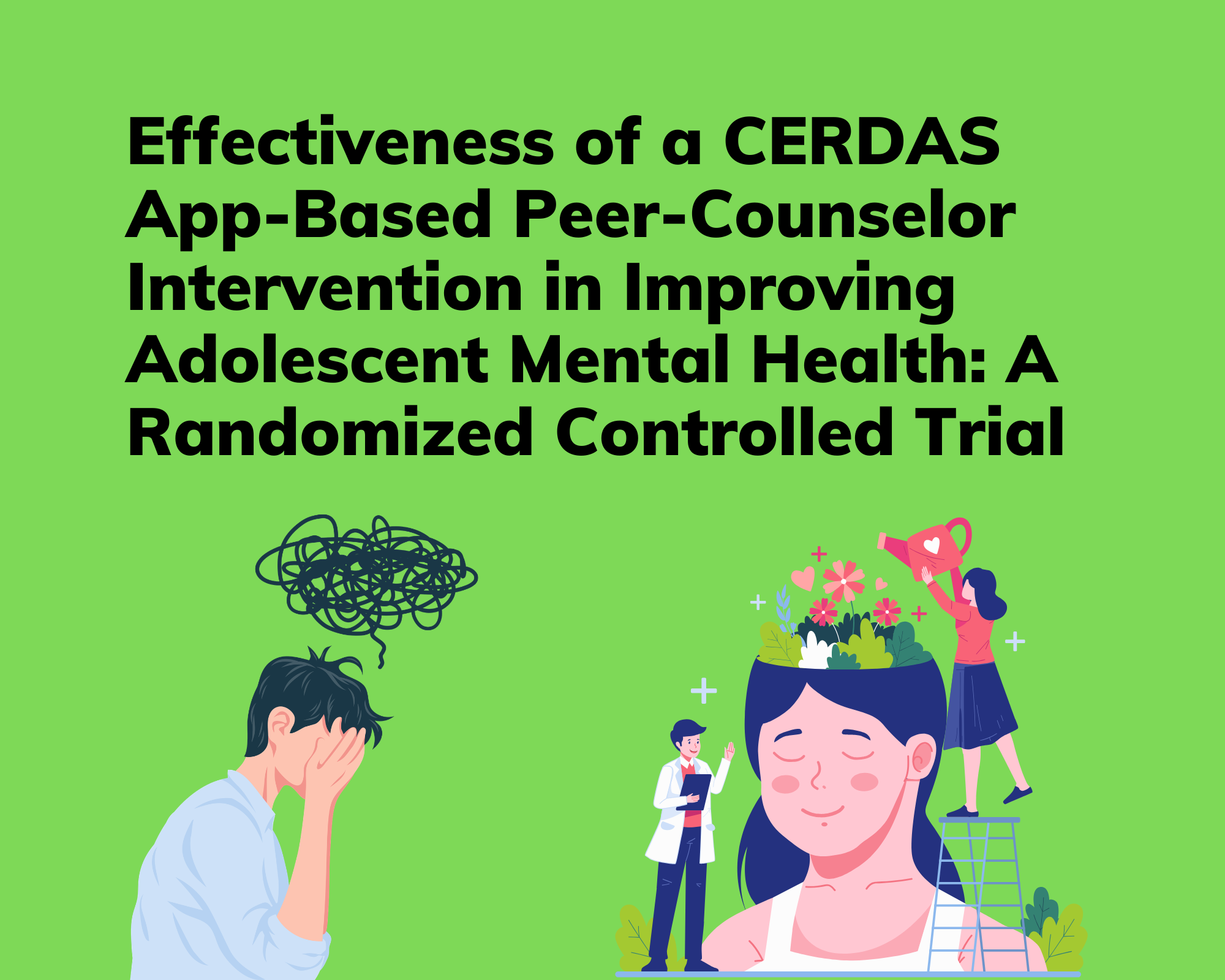
Effectiveness of a CERDAS App-Based Peer-Counselor Intervention in Improving Adolescent Mental Health: A Randomized Controlled Trial
DOI:
https://doi.org/10.23917/bik.v19i2.14755Keywords:
Adolescents, CERDAS app, Digital intervention, Mental health, Peer-counselorAbstract
Mental health problems in adolescents continue to increase, while interest in seeking professional help remains low due to stigma, limited access, and low openness to guidance and counseling teachers. This condition indicates the need for a more appropriate approach for adolescents, such as peer counselors who are considered more equal, safe, and able to encourage openness. To support this, the CERDAS application was developed as a peer counseling medium that facilitates initial screening and provides promotive-preventive intervention techniques to improve adolescent mental health. The purpose of this study was to identify the effectiveness of the use of the CERDAS application, which utilizes a peer-counselor approach, in improving adolescent mental health status. The research design was an experiment with a pre- and post-test control group design. The population in this study were all second-grade students at MAN 3 Banda Aceh City and SMAN 13 Banda Aceh City. Sampling was taken by simple random sampling with a sample of 116 respondents, then divided into two groups: a control group of 58 respondents and an intervention group of 58 respondents. The intervention will be provided by peer counselors who have received counseling training and are not included in the study respondents. Meanwhile, the control group only received counseling services from the guidance counselor. Pre-tests and post-tests were conducted on both groups to identify the mental health status of adolescents. Data analysis using Mann-whitney u tests showed that there were differences score in the mental status of adolescents in the control group and the intervention group before and after the intervention. The results of the study found that the CERDAS application with a peer-counselor approach was effective in improving the mental health status of adolescents including anxiety, stress, and depression (p-value 0.001; 0.021; 0.014). It is hoped that the CERDAS application can be implemented more widely in school health services as a promotional and preventive effort for adolescent mental health.
Downloads
References
Adhyka, N., Aisyah, I. K., & Yurizal, B. (2023). Analisis kesehatan mental remaja berdasarkan Global School Based Student Health Survey (GSHS) siswa di Pesantren Modern. Jurnal Pembangunan Negeri, 8(2), 198–209. https://doi.org/10.30559/jpn.v8i2.439
Anjum, A., Hossain, S., Hasan, M. T., Christopher, E., Uddin. Md. E., & Sikder Md.T. (2022). Stress symptoms and associated factors among adolescents in Dhaka, Bangladesh: Findings from a cross-sectional study. Bmc Psychiatry, 22(807), 2–11. https://doi.org/10.1186/s12888-022-04340-0
Astiti, S. P. (2019). Efektivitas konseling sebaya (peer counseling) dalam menuntaskan masalah siswa. Indonesian Journal of Islamic Psychology, 1(2), 243–263. https://doi.org/https://doi.org/10.18326/ijip.v1i2.243-263
Babbage, C. M., Jackson, G. M., Davies, E. B., & Nixon, E. (2022). Self-help digital interventions targeted at improving psychological well-being in young people with perceived or clinically diagnosed reduced well-being: Systematic review. JMIR Mental Health, 9(8), e25716. https://doi.org/10.2196/25716
Baharudin, Y., Maulina, N., Mubarokah, N., Ngabidin, Z., & Faiq, A. N. (2023). ). Studi literatur: implementasi teori dan pendekatan konseling sebaya bagi siswa. JCOSE: Jurnal Bimbingan Dan Konseling, 5(1), 78–84. https://doi.org/https://doi.org/10.24905/jcose.v5i1.113.
Brinsley, J., Schmidt, M., Curtis, R., Simpson, C. E. M., Edwards, J., Eglitis, E. E., Gosse, G., Broad, M., Jardine, B., Taddeo, E., Banati, P., & Maher, C. (2025). Effectiveness of peer-led health behaviour interventions on adolescent mental health and wellbeing: A systematic review and meta-analysis. Scientific Reports, 15, 16480. https://doi.org/10.1038/s41598-025-01053-8
Center for Reproductive Health, Universitas Gadjah Mada, National Research and Innovation Agency (BRIN), Johns Hopkins Bloomberg School of Public Health, & Universitas Indonesia. (2022). Indonesia National Adolescent Mental Health Survey (I-NAMHS): Laporan Penelitian. Yogyakarta: Center for Reproductive Health, Universitas Gadjah Mada.
Cooper, R. E., Saunders, K. R. K., Greenburgh, A., Shah, P., Appleton, R., Machin, K., Jeynes, T., Barnett, P., Allan, S. M., Griffiths, J., Stuart, R., Mitchell, L., Chipp, B., Jeffreys, S., Lloyd-Evans, B., Simpson, A., & Johnson, S. (2024). The effectiveness, implementation, and experiences of peer support approaches for mental health: A systematic umbrella review. BMC Medicine, 22(1), 72. https://doi.org/10.1186/s12916-024-03260-y
Ebert, D. D., Baumeister, H., Cuijpers, P., Zarski, A.-C., Berking, M., & Lehr, D. (2023). Internet- and mobile-based psychological interventions: Applications, efficacy, and potential for improving mental health outcomes. World Psychiatry, 22(1), 45–67. https://doi.org/10.1002/wps.21084
Febriana, B., & Rochmawati, D. H. (2023). Peningkatan ketahanan mental remaja melalui peer group counseling dalam wadah duta remaja sehat jiwa. Jurnal Sosial Dan Budaya Syar-I, 10(3), 929–938. https://doi.org/10.15408/sjsbs.v10i3.32151
Fitzpatrick, M. M., Anderson, A. M., Browning, C., & Ford, J. L. (2024). Relationship between family and friend support and psychological distress in adolescents. Journal of Pediatric Health Care, 38(6), 804–811https:/doi.org/10.1016/j.pedhc.2024.06.016
Garrido, S., Millington, C., Cheers, D., Boydell, K., Schubert, E., Meade, T., & Nguyen, Q. V. (2019). What works and what doesn't work? A systematic review of digital mental health interventions for depression and anxiety in young people. Frontiers in Psychiatry, 10, Article 759. https://doi.org/10.3389/fpsyt.2019.00759
Haag, A.-C., Bagrodia, R., & Bonanno, G. A. (2024). Emotion regulation flexibility in adolescents: A systematic review from conceptualization to methodology. Clinical Child and Family Psychology Review, 27(3), 697–713. https://doi.org/10.1007/s10567-024-00483-6
Hamidah, R. N., Santinintyas, W. Y., Kristanto, I., & Daliman. (2024). Addressing students' mental health through peer counseling at SMK Muhammadiyah 4 Surakarta. Community Empowerment, 9(8), 1194–1203. https://doi.org/10.31603/ce.11549
Handayani, N., Sriatmi, A., Kusumawati, A., Nuridzin, D. Z., & Camellia, A. (2025). Peer counselor training in efforts to improve adolescent health in Pekalongan City and Rembang Regency. 6(1), 233–239. https://doi.org/https://doi.org/10.35311/jmpm.v6i1.578
Hoagwood, K., Gendler, C., Davies, N., Davis, K., Boorada, P., Lettieri, R., & Kelleher, K. (2025). Effectiveness of youth and young adult peer support in mental health services: A systematic review. Administration and Policy in Mental Health and Mental Health Services Research, 52(6), 1135–1173. https://doi.org/10.1007/s10488-025-01451-0
Hollis, C., Sampson, S., Simons, L., Davies, E. B., Churchill, R., Betton, V., Butler, D., Chapman, K., Easton, K., Gronlund, T. A., Kabir, T., Rawsthorne, M., Rye, E., Tomlin, A., & Morris, R. (2021). Identifying research priorities for digital technology in mental health care: Results of the James Lind Alliance Priority Setting Partnership. The Lancet Psychiatry, 8(10), 845–854. https://doi.org/10.1016/S2215-0366(21)00251-9
Ifdil, I., Syahputra, Y., Fadli, R. P., Zola, N., Putri, Y. E., Rangka, I. B., Suranta, K., Zatrahadi, M. F., Sugiana, G., David, D., Situmorang, B., & Fitria, L. (2020). The depression anxiety stress scales ( DASS-21 ): An Indonesian validation measure of the depression anxiety stress. COUNSEDU: The International Journal of Counseling and Education, 5(4), 205–215. https://doi.org/http://dx.doi.org/10.23916/0020200536840
Jayanti, D. M., & Dharmawan, P. H. (2018). Family stigma correlation with shackling in schizophrenia patients in psychiatric hospital of Bali province. Indonesian Journal of Nursing and Midwifery, 6(2), 97–104. https://doi.org/https://doi.org/10.21927/jnki
Kaligis, F., Ismail, R. I., Wiguna, T., Prasetyo, S., Indriatmi, W., Gunardi, H., Pandia, V., & Magdalena, C. C. (2021). Mental health problems and needs among transitional-age youth in Indonesia. International Journal of Environmental Research and Public Health, 18(8), 4046. https://doi.org/10.3390/ijerph18084046
Karjuniwati, Nova, V., Kamal, A. M., Zuanny, I. P., & Bintang, S. S. (2024). Pengetahuan konseling sebaya untuk menumbuhkan motivasi pencegahan penyalahgunaan narkoba pada siswa. Jurnal Agama Dan Ilmu Pengetahuan, 20(2). https://doi.org/https://doi.org/10.25299/al-hikmah:jaip.2023.vol20(2).14303
Kholiq, A., Khafidhoh, N. L., & Melzak, E. (2025). Peer support amplifies the benefits of psychological help-seeking on adolescent well-being in Indonesia's collectivist culture. Pamomong: Journal of Islamic Educational Counseling, 6(2), 252–280. https://doi.org/10.18326/pamomong.v6i2.5646
Kusumawaty, N., Sari, D. A., & Prasetya, R. (2020). Implementasi konselor sebaya sebagai strategi pencegahan masalah kesehatan mental remaja di lingkungan sekolah menengah. Jurnal Pendidikan Dan Konseling Psikologi, 8(2), 112–120. https://doi.org/https://doi.org/10.1234/jpkp.v8i2.2020
Martinez, J. A., & Richards, P. (2022). The effectiveness of psychological first aid and peer counseling interventions: A meta-analysis. Journal of Mental Health, 31(4), 456–470. https://doi.org/https://doi.org/10.1080/09638237.2022.2043548
Moltrecht, B., Patalay, P., Flannery, H., & Deighton, J. (2022). A mobile app for supporting young people's mental health through psychoeducation and emotional self-management: Mixed-methods evaluation study. JMIR Formative Research, 6(1), e28300. https://doi.org/10.2196/28300
Ni'matuzzakiyah, E., & Masykur, N. (2026). Peer support and mental health: A study among adolescents. Journal of Educational Innovation and Public Health, 4(3), 184–193. https://doi.org/10.55606/innovation.v4i3.9497
Nurmala, I., Pertiwi, E. D., Devi, Y. P., & R, R. D. (2020). Perception of roles as peer educators in high schools to prevent drug abuse among adolescents. Indian Journal of Forensic Medicine and Toxicology, 14(1), 1350–1354. https://doi.org/10.37506/v14/i1/2020/ijfmt/193099
Nurnitasari, F., & Haromaini, A. (2021). Pengaruh temperamen buruk orang tua terhadap kesehatan mental peserta didik pada masa pandemi Covid 19 kelas XI di SMA AL- Layyinah. Jurnal Kajian Agama, Hukum, Dan Pendidikan Islam, 3(2), 145–156. https://doi.org/https://doi.org/10.32493/kahpi.v3i2.p145-156.17557
Oktari, S., Sari, L., Armalita, R., Maputra, Y., Sari, S. M., Tristi, R. K., Anggreiny, N., Adam, R. W., Azizah, L. N., & Ghalbiyah, S. A. (2026). Peer counseling psychoeducation: Strengthening the role of peers as psychosocial support for adolescents in schools. In Proceedings of the 4th International Conference on Psychology and Health Issues (ICoPHI 2025). EAI. https://doi.org/10.4108/eai.1-11-2025.2362922
Putri, A. K., Gustriawanto, N., Rahapsari, S., Sholikhah, A. R., Prabaswara, S., & Minas, H. (2021). Exploring the perceived challenges and support needs of Indonesian mental health stakeholders: A qualitative study. International Journal of Mental Health Systems, 15(81), 1–17. https://doi.org/10.1186/s13033-021-00504-9
Rachmawaty, A. A. (2020). Darurat Kesehatan Mental bagi Remaja. Egsa UGM.
Rahim, A., Rahayu, A., Reva, G., Huiyyatul, N., & Syifa, S. (2024). Analisis peran guru BK dalam sesi konseling: bagaimana tanggung jawab dan dukungan terhadap peserta didik. FOKUS, 7(4), 296–310. https://doi.org/10.22460/fokus.v7i4.23228
Rahmawaty, F., Silalahiv, R. ., Berthiana, T., & Mansyah, B. (2022). Faktor-faktor yang mempengaruhi kesehatan mental pada remaja. Jurnal Surya Medika, 8(3), 276–281. https://doi.org/https://doi.org/10.24014/jp.v15i1.6549
Ridha, A. (2019). Application of Peer Counselors in Optimizing the Functions of Guidance Counseling Services in Schools. Jurnal Psikologi, 15(1), 25–34. https://doi.org/https://doi.org/10.24014/jp.v15i1.6549
Santrock, J. W. (2018). Educational Psychology (Sixth edition). McGraw-Hill Education.
Saputro, N. F., Isnaini, S., & Casmini, C. (2023). The urgency of peer counseling in islamic boarding schools: A meta-analysis. Acta Islamica Counsenesia: Counselling Research and Applications, 3(1), 1–10.
Septiana, N., Liza, S. Z., & Kamaly, N. (2025). The CERDAS App for screening adolescent mental health problems: A usability test. Jurnal Keperawatan Suaka Insan (JKSI), 10(1), 128–138. https://doi.org/https://doi.org/10.51143/jksi.v10i1.877
Shastri, S., & Nair, S. (2024). Peers, parents and families as agents of influence on adolescents' perspectives towards people with mental health problems: Mental health professionals' views. Journal of Public Mental Health, 23(4), 316–329. https://doi.org/10.1108/JPMH-04-2024-0048
Shohib, M., Firmanto, A., Kusuma, W. ., & Martasari, G. I. (2016). Pendampingan kelompok konselor sebaya di Kota Batu. Jurnal Dedikasi, 13(1), 34–38. https://doi.org/https://doi.org/10.22219/dedikasi.v13i0.3135
Smith, D., & Carter, H. (2022). Mitigating anxiety and depression in adolescents through peer counseling programs. Youth Mental Health Journal, 29(2), 211–225.
Solihudin, Z. N., Rahmat, A. S., & Ketaren, S. (2025). School-based peer group support as a psychosocial strategy to promote mental health in adolescents: A quasi-experimental approach. Jurnal Keperawatan Komprehensif (Comprehensive Nursing Journal), 11(4), 517–523. https://doi.org/10.33755/jkk.v11i4.919
Sura’, H., Mutmainnah, & Sulaiman, F. (2022). Pelatihan Konselor Sebaya untuk Merubah Perilaku Anak Maladaftif di Sekolah. MASPUL: Journal of Community Empowerment, 4(1), 84–88.
Tamir, M., Ford, B. Q., Preece, D. A., & Schleider, J. L. (2024). Emotion controllability beliefs and young people's anxiety and depression symptoms: A systematic review. Adolescent Research Review, 9(1), 33–51. https://doi.org/10.1007/s40894-023-00213-z
Topping, K. J. (2022). Peer education and peer counselling for health and well-being: A review of reviews. International Journal of Environmental Research and Public Health, 19(6064). https://doi.org/https://doi.org/ 10.3390/ijerph19106064
World Health Organization. (2021). Mental health and well-being of adolescents. https://www.who.int/news-room/factsheets/detail/adolescent-mental-health
Yulia, Rahma, G., Hasnah, F., & Alhamda, S. (2024). Determinan Kesehatan Mental Pada Remaja Usia 11-18 Tahun di Kota Padang Determinants of Mental Health in Adolescents Aged 11-18 Years in Padang. Jurnal Ilmu Kesehatan, 8(2), 290–297. https://doi.org/doi : http://dx.doi.org/10.33757/jik.v8i2.1146
Yuliasari, H. (2020). Pelatihan konselor sebaya untuk meningkatkan self awareness terhadap perilaku beresiko remaja. Jurnal Psikologi Insight, 4(1), 63–72. https://doi.org/https://doi.org/10.17509/insight.v4i1.24638
Zhan, Q., Xia, T., Zhang, L., & Liu, Y. (2023). Impact of psychological monitors' interview about suicide on college students' negative emotion. Psychology in the Schools, 60(9), 3240–3252. https://doi.org/10.1002/pits.22922
Downloads
Submitted
Accepted
Published
How to Cite
Issue
Section
License
Copyright (c) 2026 Nenty Septiana, Suci Zahratul Liza, Nurul Kamaly

This work is licensed under a Creative Commons Attribution 4.0 International License.