Vol. 6 No. 2 (2025)

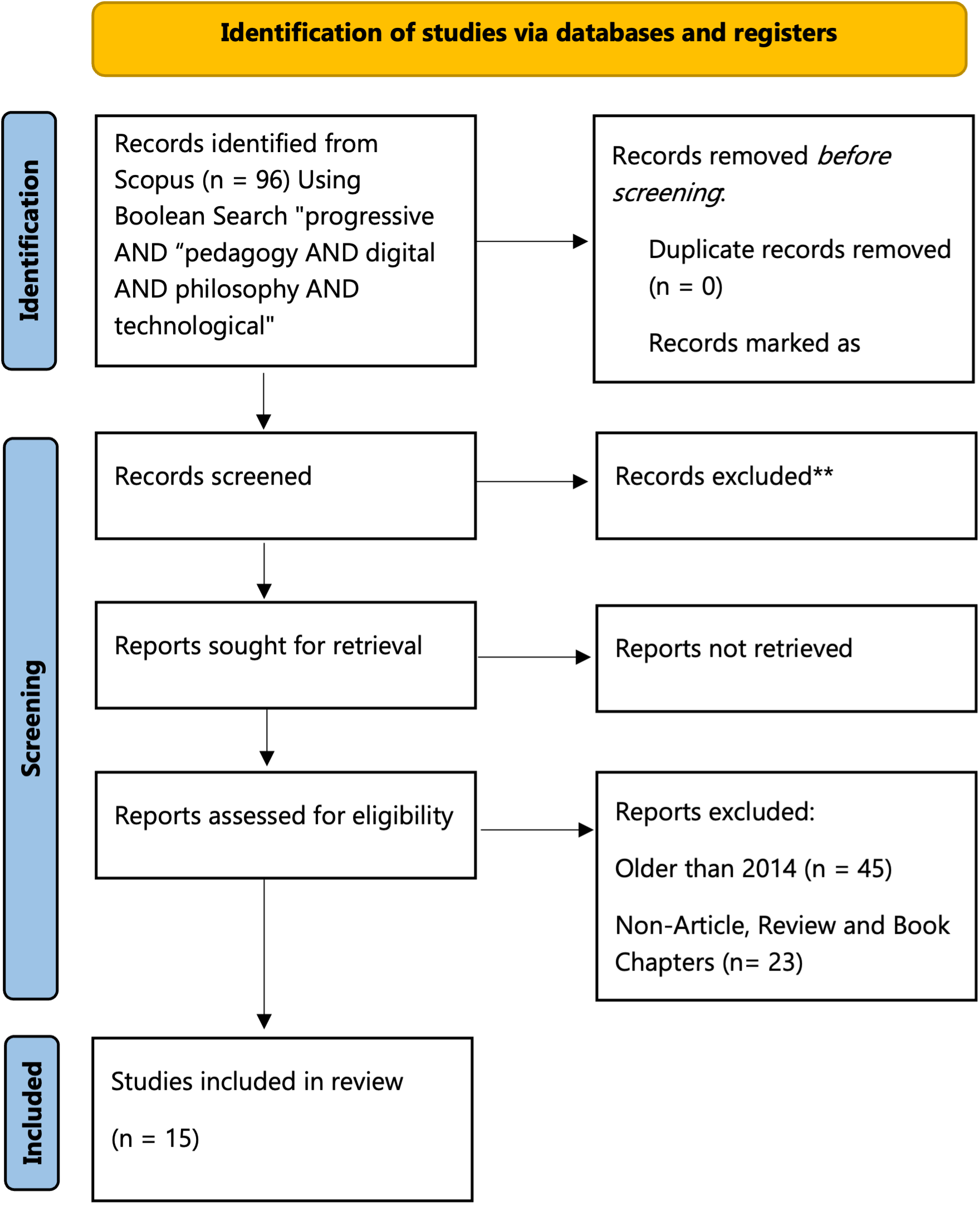
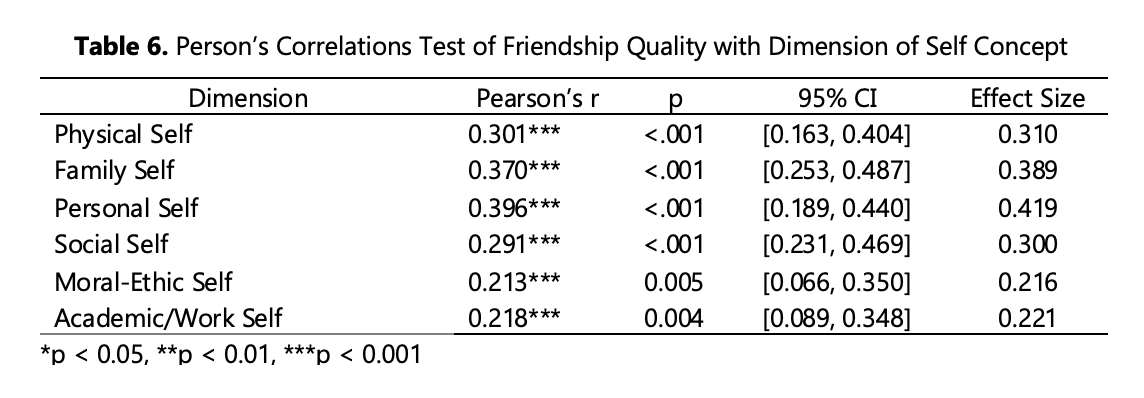
This issue brings together eight articles that examine education, psychology, religion, technology, and social movements in Indonesian and global contexts. Four studies center on adolescents and learning. One shows that religiosity supports academic persistence among adolescents in orphanages by building resilience and future-oriented goals. Another finds self-concept shapes friendship quality among female students in all-girls full-day schools. A third examines collective narcissism and symbolic threat as drivers of antisemitic conspiracy beliefs, even in a country with few Jewish residents. A systematic review of progressive pedagogies and digital integration traces a shift toward knowledge as dynamic and co-constructed, while naming the structural barriers to that shift.

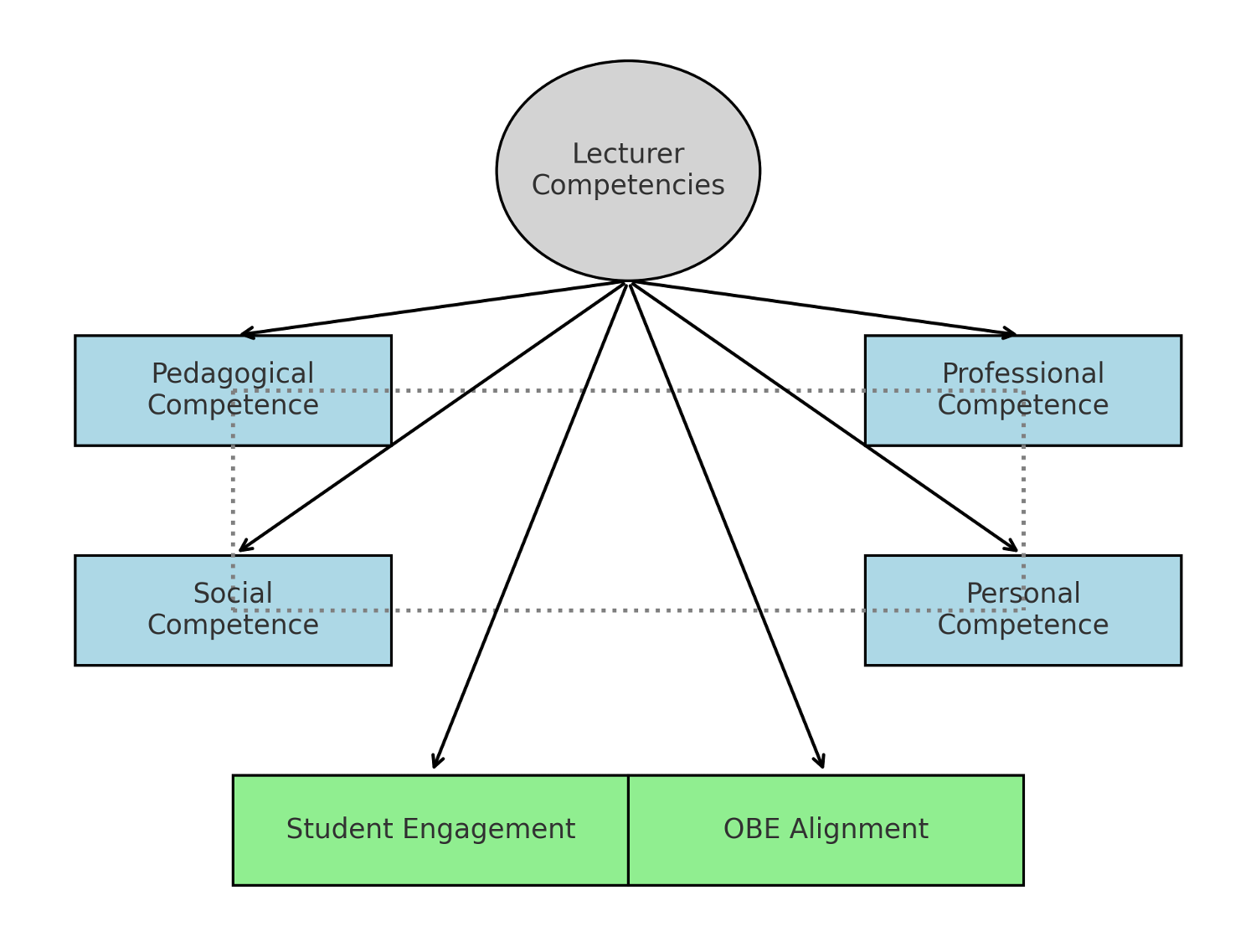
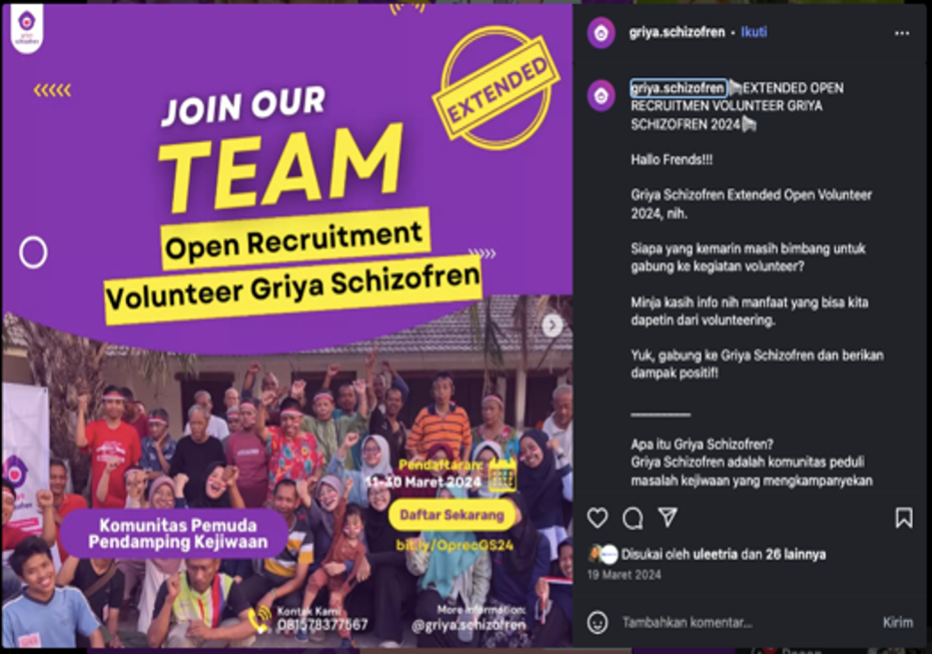
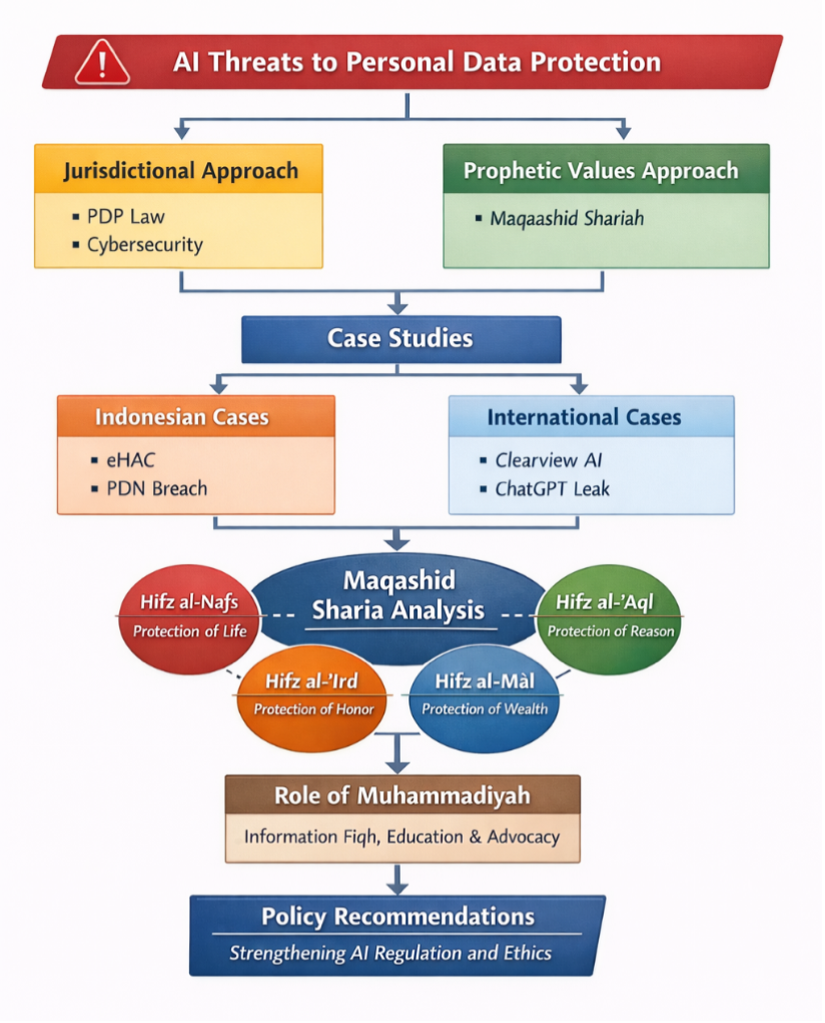
The remaining articles address higher education, mental health, and technology governance. A mixed-methods study of lecturers' competencies finds strong overall ratings but calls for pedagogical innovation, digital engagement, and alignment with Outcome-Based Education. A qualitative case study of Griya Schizofren in Surakarta frames the initiative as a New Social Movement that humanizes people with mental health problems and challenges stigma. A study of EFL students' perceptions of AI tools reveals awareness of both efficiency gains and risks to academic integrity, creativity, and critical thinking. A socio-legal analysis grounded in maqāṣid al-sharīʿah proposes justice, public benefit, and human dignity as foundations for regulating AI-driven data technologies. Together, the issue reflects JPIIS's commitment to empirically grounded, theoretically informed, and socially relevant interdisciplinary scholarship.

Published: 2025-11-06

Articles