Enhancing Critical Thinking through Model-Based Learning and SDGs in Islamic Studies
DOI:
https://doi.org/10.23917/profetika.v25i03.7119Keywords:
model-based learning, problem-based learning, critical thinking, islamic education, sdgs-oriented educationAbstract
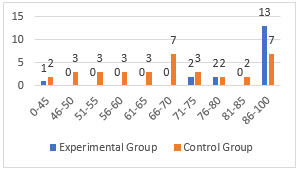
Objective: The fundamental purpose of education is to cultivate learners’ capacity to think critically as an essential component of human development. Critical thinking aligns with higher-order cognitive processes in Bloom’s taxonomy, particularly analyzing, evaluating, and creating, which are central to achieving Sustainable Development Goals (SDGs), especially SDG 4 on quality and inclusive education. This study aims to examine the effect of Model-Based Learning, operationalized through Problem-Based Learning (PBL), on students’ critical thinking skills in Islamic Studies at SMP Muhammadiyah 1 Kartasura. Theoretical framework: The theoretical framework integrates constructivist learning theory, Bloom’s cognitive taxonomy, and the SDGs-oriented education paradigm, emphasizing learner-centered instruction and cognitive empowerment. Literature review: Prior studies highlight the effectiveness of PBL in promoting critical reasoning; however, empirical evidence within Islamic education contexts linked explicitly to SDGs remains limited. Methods: This research employed an experimental method using a pretest–posttest non-equivalent control group design. The participants consisted of 53 ninth-grade students, with 18 students assigned to the experimental group and 35 students to the control group. Data were collected through structured pre-tests and post-tests designed to measure critical thinking indicators within the cognitive domain of Bloom’s taxonomy. Results: The findings reveal a statistically significant effect of PBL on students’ critical thinking skills in Islamic Studies. The Mann–Whitney test yielded an Asymp. Sig. (2-tailed) value of 0.001, indicating a significant improvement in the experimental group compared to the control group. These results demonstrate that Model-Based Learning contributes meaningfully to developing students’ higher-order thinking skills while supporting the goals of sustainable and quality education. Implications: The implications of this study suggest that integrating SDGs-oriented PBL into Islamic education can enhance cognitive competence, foster critical awareness, and prepare students for complex social challenges. Novelty: The novelty of this research lies in its empirical linkage between Model-Based Learning, Islamic Studies, and SDGs within a junior high school context, offering a replicable framework for sustainable educational practices.
References
[1] J. C. Ricketts and R. D. Rudd, “A Comprehensive Leadership Education Model to Train, Teach, and Develop Leadership in Youth,” J. Career Tech. Educ., vol. 19, no. 1, 2022, https://doi.org/10.21061/jcte.v19i1.655.
[2] R. Wikandri and M. Nur, Pengajaran Berpusat Kepada Siswa dan Pendekatan Konstruktivisme dalam Pengajaran. Surabaya: Pusat Studi Matematika dan IPA Sekolah Universitas Surabaya, 2002.
[3] N.K. Mardani, N.B. Atmadja, and I.N.Suastika, “Pengaruh Model Pembelajaran Problem Based Learning (Pbl) Terhadap Motivasi Dan Hasil Belajar Ips,” J. Pendidik. IPS Indones., vol. 5, no. 1, pp. 55–65, 2021, https://doi.org/10.23887/pips.v5i1.272.
[4] T. Djonomiarjo, “Pengaruh Model Problem Based Learning Terhadap Hasil Belajar,” J. Ilmu Pendidik. Nonform. Aksar, vol. 5, no. 1, pp. 39–46, 2018, https://doi.org/10.37905/aksara.5.1.39-46.2019.
[5] A. C. Alwasilah, Filsafat bahasa dan pendidikan. Bandung: Remaja Rosdakarya, 2010.
[6] D. S. Triani, E. W. Winarni, and A. Muktadir, “Pengaruh Model Pembelajaran Problem Based Learning (PBL) terhadap Sikap Peduli Lingkungan dan Hasil Belajar IPA Siswa Kelas IV SDN 78 Kota Bengkulu,” J. Pembelajaran dan Pengajaran Pendidik. Dasar, vol. 2, no. 1, pp. 13–21, 2019, https://doi.org/10.33369/dikdas.v2i1.8677.
[7] A. J. Nugraha, H. Suyitno, and E. Susilaningsih, “Analisis kemampuan berpikir kritis ditinjau dari keterampilan proses sains dan motivasi belajar melalui model PBL,” J. Prim. Educ., vol. 6, no. 1, pp. 35–43, 2017.
[8] A. Fasha, R. Johar, and M. Ikhsan, “Peningkatan Kemampuan Pemecahan Masalah dan Berpikir Kritis Matematis Siswa melalui Pendekatan Metakognitif,” J. Didakt. Mat., vol. 5, no. 2, pp. 53–64, 2018, https://doi.org/10.24815/jdm.v5i2.11995.
[9] N. A. Kurniawan, R. Saputra, U. Aiman, A. Alfaiz, and D. K. Sari, “Urgensi Pendidikan Berpikir Kritis Era Merdeka Belajar bagi Peserta Didik,” Tarbawi J. Ilmu Pendidik., vol. 16, no. 1, pp. 104–109, 2020, https://doi.org/10.32939/tarbawi.v16i01.576.
[10] F. Panuntun, “Journal of Sport Coaching and Physical Education Pengaruh Model Pembelajaran Kooperatif Teams Games Tournament (Tgt) Dan Problem Based Learning (Pbl) Terhadap Hasil Belajar Sepak Bola (Dribbling) Pada SiswaKelas Xi Smk Hkti 2 Banjarnegara,” J. Sport Coach. Phys. Educ., vol. 5, no. 1, pp. 19–23, 2020, https://doi.org/10.15294/jscpe.v5i1.36807.
[11] S. Arifin, N. Abidin, and F. Al Anshori, “Kebijakan Merdeka Belajar dan Implikasinya terhadap Pengembangan Desain Evaluasi Pembelajaran Pendidikan Agama Islam,” Dirasat J. Manaj. dan Pendidik. Islam, vol. 7, no. 2, pp. 65–78, 2021.
[12] K. H. Utama and F. Kristin, “Meta-Analysis Pengaruh Model Pembelajaran Problem Based Learning (PBL) Terhadap Kemampuan Berpikir Kritis IPA Di Sekolah Dasar,” J. Basicedu, vol. 4, no. 4, pp. 889–898, 2020, https://doi.org/10.31004/basicedu.v4i4.482.
[13] Sunarti, “Pendidikan Islam dan Pengembangan Keterampilan Berpikir Kritis pada Siswa SMAN 3 Bengkulu,” J. Pendidik. Profesi Guru Agama Islam, vol. 3, no. 1, pp. 91–98, 2023.
[14] A. H. Yanti, “Pengembangan Model Problem Based Learning (PBL) Terhadap Kemampuan Komunikasi dan Pemecahan Masalah Matematika Siswa,” Pendidik. Mat. Raflesia, vol. 2, no. 2, pp. 40–42, 2017.
[15] L. Sulistianah, M. Taufik, and A. Nurhasanah, “Pengaruh Model Problem Based Learning (Pbl) Terhadap Peningkatan Keterampilan Berpikir Kritis Peserta Didik Di Sekolah Dasar,” Pendas J. Ilm. Pendidik. Dasar, vol. 7, no. 2, pp. 373–385, 2022, https://doi.org/10.23969/jp.v7i2.6801.
[16] A. M. Burhanuddin, “Hasil wawancara dengan Ahmad Muhson Burhanuddin selaku guru PAI di SMP Muhammadiyah 1 Kartasura.”
[17] N. Astikawati, I. Tegeh, and I. Warpala, “Pengaruh Model Problem Based Learning (Pbl) Terhadap Kemampuan Berpikir Tingkat Tinggi Ipa Terpadu Dan Kemandirian Belajar Siswa,” J. Teknol. Pembelajaran Indones., vol. 10, no. 2, pp. 76–85, 2020.
[18] M. Yaumi, Media & Teknologi Pembelajaran, Media & Teknologi Pembelajaran. Jakarta: Prenadamedia, 2018.
[19] S. A. Siregar and D. Ramadhani, “Analisis Kemampuan Berpikir Kritis Siswa Pada Tema 8 ‘ Lingkungan Sahabat Kita ’ SD Negeri 6 Langsa,” J. Basic Educ. Stud., vol. 2, no. 1, pp. 112–123, 2019.
[20] S. Prayogi and M. Asy’ari, Implementasi Model Pbl (Problem Based Learning) Untuk Meningkatkan Hasil Belajar Dan Kemampuan Berpikir Kritis Siswa, vol. 1, no. 1. Jurnal Prima Sains, 2013. https://doi.org/10.33394/j-ps.v1i1.521.
[21] A. Hastuti, H. Sahidu, and G. Gunawan, “Pengaruh Model PBL Berbantuan Media Virtual Tehadap Kemampuan Pemecahan Masalah Fisika,” J. Pendidik. Fis. dan Teknol., vol. 2, no. 3, pp. 129–135, 2017, https://doi.org/10.29303/jpft.v2i3.303.
[22] H. Anik, “Meta Analisis Model Problem Based Learning (PBL) terhadap Keterampilan Berpikir Kratif,” J. Basicedu, vol. 5, no. 3, 2021, https://doi.org/10.31004/basicedu.v5i3.924.
[23] Yaya Sunarya & Tedi Priatna, Metode Penelitian Pendidikan. Jakarta: PT Rineka Cipta, 2009.
[24] Zuhairi, Pedoman Penelitian Karya Ilmiah. Jakarta: Rajawali Pers, 2016.
[25] Sugiyono, Metode penelitian kuantitatif, kualitatif, dan R&D, 3rd ed. Bandung: Alfabeta, 2021.
[26] G. R. Lendeon and C. Poluakan, “Pengaruh Model Problem Based Learning (PBL) Terhadap Kemampuan Literasi Sains Siswa,” SCIENING Sci. Learn. J., vol. 3, no. 1, pp. 14–21, 2022, https://doi.org/10.53682/slj.v3i1.1076.
[27] E. P. Pebriyani and T. Pahlevi, “Pengaruh Model Pembelajaran Problem Based Learning (PBL) Terhadap Kemampuan Berpikir Kritis dan Hasil Belajar Peserta Didik Pada Mata Pelajaran Kearsipan Kelas X OTKP Di SMK Negeri 1 Sooko Mojokerto,” J. Pendidik. Adm. Perkantoran, vol. 8, no. 1, pp. 47–55, 2020, https://doi.org/10.26740/jpap.v8n1.p47-55.
[28] Annisa, Asrin, and B. N. Khair, “Pengaruh Model Pembelajaran Problem Based Learning (PBL) terhadap Hasil Belajar IPA Siswa Kelas IV SDN Gugus I Kecamatan Kuripan Tahun Ajaran 2021/2022,” J. Ilm. Profesi Pendidik., vol. 7, no. 2b, pp. 620–627, 2022, https://doi.org/10.29303/jipp.v7i2b.613.
[29] M. Mariskhantari, I. N. Karma, and K. Nisa, “Pengaruh Model Pembelajaran Problem Based Learning (PBL) terhadap Kemampuan Berpikir Kritis Siswa Pada Pembelajaran IPA Kelas IV SDN 1 Beleka Tahun 2021/2022,” J. Ilm. Profesi Pendidik., vol. 7, no. 2b, pp. 710–716, 2022, https://doi.org/10.29303/jipp.v7i2b.613.
[30] N. Y. Rachmawati and B. Rosy, “Pengaruh Model Pembelajaran Problem Based Learning (PBL) terhadap Kemampuan Berpikir Kritis dan Pemecahan Masalah pada Mata Pelajaran Administrasi Umum Kelas X OTKP di SMK Negeri 10 Surabaya,” J. Pendidik. Adm. Perkantoran, vol. 9, no. 2, pp. 246–259, 2020, https://doi.org/10.26740/jpap.v9n2.p246-259.
[31] M. Sari and A. Rosidah, “Implementasi Model Pembelajaran Problem Based Learning (PBL) Terhadap Hasil Belajar IPS SD,” J. Ilm. Pendidik Indones., vol. 2, no. 1, pp. 8–17, 2023, https://doi.org/10.56916/jipi.v2i1.307.
[32] A. Rahmi, Y. W. Fitri, and F. Zahara, “Meta Analisis Pengaruh Model Pembelajaran Problem-Based Learning (Pbl) Terhadap Hasil Belajar Fisika,” J. Pendidik. Fis. Undiksha I, vol. 11, no. 2, pp. 11–18, 2021, https://doi.org/10.23887/jjpf.v11i2.35162.
[33] Anis Khoirunnisa, Putri Zudhah Ferryka, and Cintya Mayawati, “Pengaruh Model Problem Based Learning (PBL) Terhadap Hasil Belajar Siswa Sekolah Dasar,” J. Kaji. dan Penelit. Umum, vol. 1, no. 4, pp. 62–70, 2023, https://doi.org/10.47861/jkpu-nalanda.v1i4.364.
[34] Fannisa Rahmadani and Sudianto Manullang, “Pengaruh Model Problem Based Learning terhadap Kemampuan Berpikir Kritis Matematis Siswa SMP,” ALFIHRIS J. Inspirasi Pendidik., vol. 2, no. 4, pp. 46–56, 2024, https://doi.org/10.59246/alfihris.v2i4.994.
[35] A. Primadoniati, I. Agama, I. Negeri, and I. Bone, “Pengaruh Metode Pembelajaran Problem Based Learning Terhadap Peningkatan Hasil Belajar Pendidi- kan Agama Islam,” J. Didakt., vol. 9, no. 1, pp. 77–97, 2020.
[36] I. Permatasari and R. Marlina, “Pengaruh Model Pembelajaran Problem Based Learning Terhadap Kemampuan Pemecahan Masalah Matematis,” Didact. Math., vol. 5, no. 2, pp. 295–304, 2023, https://doi.org/10.31949/dm.v5i2.5528.
[37] V. M. Ikstanti and Y. Yulianti, “Pengaruh Model Pembelajaran Problem Based Learning (PBL) terhadap Pemahaman Konsep IPA Siswa,” Papanda J. Math. Sci. Res., vol. 2, no. 1, pp. 40–48, 2023, https://doi.org/10.56916/pjmsr.v2i1.303.
[38] R. Tyas, “Kesulitan Penerapan Problem Based Learning Dalam Pembelajaran Matematika,” J. Tecnoscienza, vol. 2, no. 1, 2020, [Online]. Available: https://ejournal.kahuripan.ac.id/index.php/TECNOSCIENZA/article/view/26
[39] A. Muniroh, Academic engagement : penerapan model problem-based learning di madrasah. Yogyakarta: PT LKIS Printing Cemerlang, 2015. [Online]. Available: https://www.google.co.id/books/edition/ACADEMIC_ENGAGEMENT_Penerapan_Model_Prob/_D5aDwAAQBAJ?hl=id&gbpv=1
[40] D. Eriyani, “Menggagas Reformasi Pendidikan Nasional Menuju Kemandirian dan Kemajuan Bertaraf Global,” CV. Global Aksara Pers, 2017.
Downloads
Submitted
Accepted
Published
Issue
Section
License
Copyright (c) 2024 Elyana Nur Sholikhah, Waston, Mahasri Shobahiya, Kani Ulger

This work is licensed under a Creative Commons Attribution 4.0 International License.