Integrating SDGs into Islamic Religious Education Curriculum Development for Religious Character Formation
DOI:
https://doi.org/10.23917/profetika.v25i03.16200Keywords:
religious character, curriculum implementation, islamic religious education, sdgs, character educationAbstract
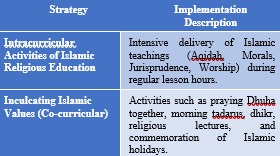
Objective: This study aims to analyze the implementation of Islamic Religious Education (IRE) curriculum development in shaping students’ religious character at SMPN 3 Sukoharjo, in alignment with Sustainable Development Goals (SDG) 4 (Quality Education) and SDG 16 (Peace, Justice, and Strong Institutions). Theoretical framework: The theoretical framework is grounded in character education theory and Islamic pedagogical principles, emphasizing the role of curriculum and teacher behavior in moral development. Literature review: A review of relevant literature highlights the importance of curriculum-based strategies and educator modeling in fostering religious values among adolescents, yet it also identifies a gap in integrating these practices with global education standards such as the SDGs. Methods: Using a qualitative approach with a case study design, this research involved Islamic religious education teachers as key informants. Data were collected through triangulated methods: in-depth interviews, direct observation, and documentation analysis. The findings reveal that curriculum development is implemented through two major strategies: (1) the structured application of the IRE curriculum across both intracurricular and co-curricular programs, and (2) the embodiment of Islamic values by teachers as moral exemplars in everyday school life. Results: Curriculum content is enriched with school values and integrated with the institutional vision and mission, while character-building is reinforced through daily routines, religious practices, and continuous evaluation. Teacher role modeling significantly contributes to students’ character formation by providing tangible and consistent examples of religious conduct, creating a cohesive educational environment. Implications: The implications of this study emphasize the importance of integrating value-based education into national curricula as a sustainable pathway for character development. This approach not only supports the goals of national education but also contributes to the global agenda for sustainable and inclusive education. Novelty: The novelty of this study lies in its contextualized integration of Islamic education curriculum strategies with SDG frameworks, offering a model for religious character development that is both locally rooted and globally aligned.
References
[1] M. Sri Mega Indah Umi Zulfiani and I. Rosyadi, “Corporate Social Responsibility (CSR) Practices Of Shariaconsumer Cooperatives For Sustainable Development Goals (SDGs) Ethical Perspective,” J. Lifestyle SDGs Rev., vol. 4, pp. 1–20, 2024, https://doi.org/10.47172/2965-730X.SDGsReview.v4.n00.pe01752.
[2] S. A. Rahman et al., “Exploring the Views of Mosque Committee Members on Mosque Religious Education Programs in Gombak,” Millah J. Relig. Stud., vol. 21, no. 1, pp. 183–216, 2021, https://doi.org/10.20885/millah.vol21.iss1.art7.
[3] S. Syahrizal, F. Yasmi, and T. Mary, “Discourse on Artificial Intelligence Design Using ITS and SDLC Methods in Building Islamic Religious Education Learning Applications,” J. Pragmat. Discourse Res., vol. 3, no. 1, pp. 46–28, 2023, https://doi.org/10.51817/jpdr.v3i1.330.
[4] A. N. AN. M., . M., and W., “Bibliometric Analysis of Islamic Education and Character Development in Religious Education Practices in Indonesia,” Pakistan J. Life Soc. Sci., vol. 22, no. 2, pp. 1231–1245, 2024, https://doi.org/10.57239/PJLSS-2024-22.2.0086.
[5] A. N. Suwarsono, Bambang Setiadji, Musa Asy’arie, Waston, Muthoifin, “The Future Of The Civilization Of The Ummah Is Reviewed From The Sociology Of Education For The Sustainable Development Goals (SDGS’ S ),” J. Lifestyle SDGs Rev., vol. 4, pp. 1–19, 2024, https://doi.org/10.47172/2965-730X.SDGsReview.v4.n00.pe01688.
[6] N. Saada, “The meanings, risk factors and consequences of religious extremism: The perceptions of Islamic education teachers from Israel,” Br. Educ. Res. J., vol. 49, no. 1, pp. 5–18, 2023, https://doi.org/10.1002/berj.3825.
[7] M. Fatimah, M. N. R. Maksum, and D. Ramdhani, “the Role of the Principal in Developing a Religious Culture At Smpn 4 Boyolali,” Profetika J. Stud. Islam, vol. 22, no. 2, pp. 192–206, 2021, https://doi.org/10.23917/profetika.v22i2.16663.
[8] H. Huges, I. Wasliman, and E. Dianawati, “Implementasi kebijakan akreditasi madrasah dalam meningkatkan mutu kinerja,” JRTI (Jurnal Ris. Tindakan Indones., vol. 8, no. 1, p. 15, 2023, https://doi.org/10.29210/30032504000.
[9] Giyono and Dkk, “Implementasi Nilai-Nilai Karakter dalam Kurikulum Merdeka Pada Pembelajaran Pendidikan Agama Islam,” JELIN J. Educ. Learn. Innov., vol. 1, no. 01, pp. 32–46, 2024, https://doi.org/10.59373/jelin.v1i1.17.
[10] A. Gustiansyah and S. Yeli, “Implementasi Pengembangan Kurikulum IRE Berbasis Pendidikan Karakter,” AL-USWAH J. Ris. Dan Kaji. Pendidik. Agama Islam, vol. 5, no. 2, pp. 109–120, 2023, https://doi.org/10.24014/au.v5i2.16223.
[11] A. Hafidz and B. Baharuddin, “Implementasi Pembelajaran Pendidikan Agama Islam Dalam Menanamkan Nilai Religius Hasil Belajar Siswa,” Kinerja J. Manaj. Pendidik. Islam, vol. 1, no. 2, pp. 194–215, 2023, https://doi.org/10.33558/kinerja.v1i2.7944.
[12] A. Sumanti, “Implementasi Nilai-Nilai Pancasila dan Bhinneka Tunggal Ika Sebagai Fondasi Pembentukan Karakter Peserta Didik di SMA Negeri 1 Palembang,” J. Pendidik. West Sci., vol. 1, no. 02, pp. 45–50, 2023, https://doi.org/10.58812/jpdws.v1i02.207.
[13] H. Najib Syam, D. Darwis, and A. Annuri, “Peran Guru Pendidikan Agama Islam Dalam Pembentukan Karakter Religius Pada Siswa Di SMAIT Al ‘Arabi,” Turabian J. Pendidik. Islam, vol. 1, no. 2, pp. 23–33, 2023, https://doi.org/10.33558/turabian.v1i2.9499.
[14] N. Nofrizal, M. Faisal, Fitria Mitra, E. Nofrizal, and Julhadi Julhadi, “Evaluasi Pembelajaran Pendidikan Agama Islam Di Paud: Analisis Kritis Kurikulum Merdeka Untuk Pendidikan Masa Kini,” Al-ATHFAL J. Pendidik. Anak, vol. 6, no. 1, pp. 1–12, 2025, https://doi.org/10.46773/alathfal.v6i1.1618.
[15] R. Nurbaiti, S. Alwy, and I. Taulabi, “Pembentukan Karakter Religius Siswa Melalui Pembiasaan Aktivitas Keagamaan,” eL Bidayah J. Islam. Elem. Educ., vol. 2, no. 1, pp. 55–66, 2020, https://doi.org/10.33367/jiee.v2i1.995.
[16] Sri Rahayu, Azzizir Rohim, Syarif Hidayat, and Mustafiyanti, “Materi dan Pengembangan Kurikulum IRE,” Pengertian J. Pendidik. Indones., vol. 1, no. 3, pp. 399–408, 2023, https://doi.org/10.61930/pjpi.v1i3.433.
[17] Z. B. Hubi, K. Suryadi, and R. S. Luthfiani, “Implementasi penguatan pendidikan karakter melalui program bandung masagi di sekolah menengah pertama,” J. Pendidik. Karakter, vol. 1, no. 1, pp. 75–88, 2024, https://doi.org/10.21831/jpka.v1i1.69535.
[18] I. Muthoifin; Nuha; Afiyah, “The Existence of Islamic Law in Indonesia in the Millennial Era in Supporting the Sustainable Development Goals (SDGs): Maqashid Sharia Perspective,” Demak Univers. J. Islam Sharia, vol. 3, no. 1, pp. 27–40, 2025, https://doi.org/10.61455/deujis.v3i01.226.
[19] E. Munastiwi and B. Rahmatullah, “The Impact of Islamic Religious Education on the Development of Early Childhood Religious and Moral Values During the COVID-19 Pandemic in Indonesia and Malaysia,” J. Pendidik. Islam, vol. 10, no. 1, pp. 49–66, 2021, https://doi.org/10.14421/jpi.2021.101.49-66.
[20] H. Ramadhan, D. Deriwanto, and H. Harmi, “Problematika Implementasi Kurikulum Pendidikan Agama Islam Di Sekolah,” J. TA’LIMUNA, vol. 12, no. 2, pp. 89–105, 2023, https://doi.org/10.32478/talimuna.v12i2.1764.
[21] H. Zainuri, “Pengembangan Kurikulum IRE Berbasis Kompetensi Abad 21,” Intelegensia J. Pendidik. Islam, vol. 12, no. 1, pp. 45–60, 2024, https://doi.org/10.34001/intelegensia.v12i1.6848.
[22] Y. T. Hastuti and J. Subando, “Implementasi Pengembangan Kurikulum Pendidikan Agama Islam Dalam Membentuk Karakter Religius Peserta Didik,” JIPDAS (Jurnal Ilm. Pendidik. Dasar …, vol. 9, no. 1, pp. 55–68, 2024, https://doi.org/10.32678/jsi.v9i1.4271.
[23] H. Susanti and M. Ramli, “Strategi penguatan karakter religius melalui integrasi kegiatan intrakurikuler dan kokurikuler di sekolah,” J. Pendidik. Karakter, vol. 11, no. 2, pp. 145–158, 2021, https://doi.org/10.21831/jpk.v11i2.42981.
[24] S. Nurhalimah and A. Ramdani, “Pembiasaan kegiatan keagamaan melalui program kokurikuler dalam membentuk karakter religius siswa,” J. Pendidik. Agama Islam Al-Thariqah, vol. 6, no. 2, pp. 89–102, 2021, https://doi.org/10.31969/thariqah.v6i2.298.
[25] D. Susanto, Risnita, and M. S. Jailani, “Teknik Pemeriksaan Keabsahan Data Dalam Penelitian Ilmiah,” J. QOSIM J. Pendidikan, Sos. Hum., vol. 1, no. 1, pp. 53–61, 2023, https://doi.org/10.61104/jq.v1i1.60.
[26] A. Prayogi, “Pendekatan Kualitatif dalam Ilmu Sejarah: Sebuah Telaah Konseptual,” Hist. Madania J. Ilmu Sej., vol. 5, no. 2, pp. 240–254, 2021, https://doi.org/10.15575/hm.v5i2.15050.
[27] H. Zukriadi, Sulaiman, U., “Aneka Macam Penelitian,” SAMBARA J. Pengabdi. Kpd. Masy., vol. 1, no. 1, pp. 36–46, 2023, https://doi.org/10.58540/sambarapkm.v1i1.157.
[28] A. Sholikhah, “Statistik Deskriptif Dalam Penelitian Kualitatif,” KOMUNIKA J. Dakwah dan Komun., vol. 10, no. 2, pp. 342–362, 2016, https://doi.org/10.24090/komunika.v10i2.953.
[29] R. Kurniasari and M. Arifin, “Peran keteladanan guru IRE dalam menumbuhkan nilai-nilai religius siswa di lingkungan sekolah dan keluarga,” Tarbiyatuna J. Pendidik. Islam, vol. 14, no. 2, pp. 100–115, 2022, https://doi.org/10.21043/tarbiyatuna.v14i2.6481.
[30] S. Lestari and H. Wibowo, “Peran guru sebagai figur teladan dalam membentuk karakter peserta didik pada masa perkembangan psikologis,” J. Psikol. Pendidik. dan Konseling, vol. 7, no. 1, pp. 34–45, 2021, https://doi.org/10.21009/jppk.071.04.
[31] D. Mardiana and D. C. Anggraini, “The effectiveness of utilising web-learning media towards Islamic education learning (IRE) outcome in the era of industrial revolution 4.0,” Int. J. Innov. Creat. Chang, vol. 8, no. 1, pp. 80–96, 2019.
[32] Muhammad Hilali, “Implementasi Kurikulum Merdeka Belajar pada Mata Pelajaran Pendidikan Agama Islam (IRE) dalam Mewujudkan Profil Pelajar Pancasila di SMP 1 Soko Kabupaten Tuban,” Progress. Cogn. Abil., vol. 2, no. 3, pp. 103–111, 2023, https://doi.org/10.56855/jpr.v2i3.484
[33] A. Aziz, “Pendidikan Karakter melalui Pembiasaan Ibadah di Sekolah,” J. Pendidik. Islam, vol. 12, no. 1, p. 53, 2020, https://doi.org/10.1234/jpi.v12i1.4567.
[34] N. A. Lubis and M. Murniyetti, “Strategi Guru IRE dalam Membentuk Karakter Religius Siswa,” An-Nuha, vol. 3, no. 2, pp. 274–284, 2023, https://doi.org/10.24036/annuha.v3i2.305.
[35] Fita Mustafida, “Integrasi Nilai-nilai Multikultural dalam Pembelajaran Pendidikan Agama Islam (IRE),” J. Pendidik. Islam Indones., vol. 4, no. 2, pp. 173–185, 2020, https://doi.org/10.35316/jpii.v4i2.191.
[36] I. Syaifullah, “10 Roles of Father and Mother in Children’s Rights: a Psychological Perspective,” Int. J. Nusant. Islam, vol. 9, no. 2, pp. 403–410, 2021, https://doi.org/10.15575/ijni.v9i2.16564.
[37] M. I. Hasanuddin, “Female Ulama: Mediating Religious Authority in a Limited ‘Islamic’ Public Sphere in Contemporary Indonesia,” Islam Realitas J. Islam. Soc. Stud., vol. 4, no. 2, p. 189, 2018, https://doi.org/10.30983/islam_realitas.v4i2.787.
[38] Y. Ardyanti, Hanafiah, and F. K. Fatkhullah, “Integrasi Kurikulum Pendidikan Agama Islam Dengan Ilmu Farmasi Dalam Meningkatkan Mutu Pembelajaran Di Perguruan Tinggi Farmasi,” J. Educ., vol. 11, no. 1, pp. 171–175, 2025, https://doi.org/10.31949/educatio.v11i1.12656.
[39] N. L. Fauziyah and A. Syah, “Analisis Sumber Literasi Keagamaan Guru IRE Terhadap Siswa dalam Mencegah Radikalisme di Kabupaten Bekasi,” Edukasi Islam. J. Pendidik. Islam, vol. 11, no. 1, pp. 503–518, 2022, https://doi.org/10.30868/ei.v11i01.2092.
[40] N. N. Fitria, L. Luk, N. Mufidah, and P. Setiawati, “Summative Assessment of Islamic Education Subject in Merdeka Curriculum,” J. Educ. Res. Pract., vol. 2, no. 3, 2024, https://doi.org/10.70376/jerp.v2i3.157.
[41] L. N. Aida, D. Maryam, S. D. Agami, and U. Fuwaida, “Inovasi Media Pembelajaran Pendidikan Agama Islam Melalui Media Audiovisual,” Terampil J. Pendidik. dan Pembelajaran Dasar, vol. 7, no. 1, pp. 43-44., 2020, http://dx.doi.org/10.24042/terampil.v7i1.6081.
Downloads
Submitted
Accepted
Published
Issue
Section
License
Copyright (c) 2024 Muthoifin Muthoifin, Yusi Tri Hastuti, Meti Fatimah, Nana Abdul Aziz, Njoku Ifeanyi Daniel

This work is licensed under a Creative Commons Attribution 4.0 International License.