Strategies of Moral Faith Teachers in Integrating SDGs-Based Character Education in Islamic Boarding Schools
DOI:
https://doi.org/10.23917/profetika.v27i01.14952Keywords:
sdgs, character education, moral faith, teacher strategy, islamic boarding schoolAbstract
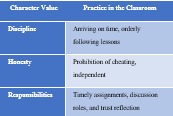
Objective: This study analyzes the pedagogical strategies of Akidah Akhlak teachers in integrating SDGs-based character education at Al-Jauharen Islamic Boarding School, Jambi City, focusing on discipline, honesty, and responsibility. Theoretical framework: The research is grounded in character education theory, value internalization, and contextual pedagogy, aligned with SDGs principles that emphasize inclusive, equitable, and value-oriented education. Literature review: Previous studies indicate that Akidah Akhlak learning remains largely cognitive and memorization-oriented, limiting effective character internalization, while empirical studies on teacher strategies in pesantren contexts and their linkage to SDGs are still limited. Method: This study employs a qualitative descriptive-analytical approach involving teachers, school leaders, and students, using interviews, observations, and documentation, analyzed through the Miles and Huberman model with triangulation. Results: Findings reveal that SDGs-oriented character integration is implemented through structured planning, teacher exemplification, value habituation, and reflective discussions rooted in students’ experiences and strengthened by pesantren culture; however, it remains insufficiently systematic, particularly in evaluation, and is constrained by time and students’ psychological factors. Implications: The study highlights the need for more reflective, contextual, and sustainable pedagogical strategies aligned with SDGs, ensuring that character values are internalized beyond normative understanding into real student behavior. Novelty: This research offers an empirical contribution by specifically examining SDGs-based character education integration strategies in Akidah Akhlak learning within a pesantren-based madrasah context, which remains underexplored.
References
[1] V. Lungu, L. Cretu, T. Munteanu, and L. Sadovei, “The Place of Social and Moral Values in the High School Curriculum From the Republic of Moldova,” J. Ilm. Ilmu Terap. Univ. Jambi, vol. 9, no. 1, pp. 87–103, 2025, https://doi.org/10.22437/jiituj.v9i1.38082.
[2] K. Jeznik, R. Kroflič, and M. Kuhar, “Between retributive and restorative compulsory school teachers’ discipline activities,” Cent. Educ. Policy Stud. J., vol. 10, no. 2, pp. 101–121, 2020, https://doi.org/10.26529/cepsj.483.
[3] A. Eizadirad, D. Jones, G. Leslie, and T. Grant, “Remembering Lost Lives and Collective Healing from Trauma: Homicides, Incarceration, and Pain-Driven Advocacy in the Jane and Finch Community,” J. Cult. Values Educ., vol. 7, no. 3, pp. 1–26, 2024, https://doi.org/10.46303/jcve.2024.25.
[4] M. Maisyaroh, S. Untari, T. Chusniyah, M. A. Adha, D. Prestiadi, and N. S. Ariyanti, “Strengthening character education planning based on Pancasila value in the international class program,” Int. J. Eval. Res. Educ., vol. 12, no. 1, pp. 149–156, 2023, https://doi.org/10.11591/ijere.v12i1.24161.
[5] M. B. E. Siswanto, Suryanti, M. Nursalim, and S. N. Wahida, “Development of transformative reflexive empowering character building learning model: a case study of Pancasila student profile at elementary schools,” Perspekt. Nauk. i Obraz., vol. 72, no. 6, pp. 458–469, 2024, https://doi.org/10.32744/pse.2024.6.28.
[6] H. C. A. Kistoro, Benny, Warnis, S. Ulfah, and F. Zuhrah, “Character learning model based on traditional songs in Indonesia,” Int. J. Eval. Res. Educ., vol. 13, no. 6, pp. 4201–4211, 2024, https://doi.org/10.11591/ijere.v13i6.25877.
[7] A. A. Samudra, M. Mayus, and A. Suradika, “Integrating Curricular and Extracurricular Approaches to Prevent Sexual Violence in Junior High Schools in Indonesia,” Rev. Esp. Educ. Comp., no. 47, pp. 623–645, 2025, https://doi.org/10.5944/reec.47.2025.41877.
[8] V. Fernández-Espinosa, P. Redondo-Corcobado, and M. Velázquez Gil, “Perspectives and attitudes of teachers on character education in schools in the Community of Madrid,” Cogent Soc. Sci., vol. 11, no. 1, 2025, https://doi.org/10.1080/23311886.2025.2556219.
[9] I. K. Damana, “The pattern of Buddhist teachers' strategy management for religious behavior conflicts in Lombok,” Int. J. Basic Appl. Sci., vol. 11, no. 2, pp. 53–61, 2022, https://doi.org/10.35335/ijobas.v11i1.87.
[10] N. Andriani, N. Ulfatin, A. Imron, and R. B. Sumarsono, “Heutagogy and Indigenous Knowledge in Integrated Thematic Instruction and Character Education,” Rev. Gest. Soc. e Ambient., vol. 17, no. 7, 2023, https://doi.org/10.24857/rgsa.v17n7-030.
[11] Aningsih, M. S. Zulela, A. Neolaka, V. Iasha, and B. Setiawan, “How is the Education Character Implemented? The Case Study in Indonesian Elementary School,” J. Educ. Soc. Res., vol. 12, no. 1, pp. 371–380, 2022, https://doi.org/10.36941/jesr-2022-0029.
[12] D. Susanto, Risnita, and M. S. Jailani, “Teknik Pemeriksaan Keabsahan Data Dalam Penelitian Ilmiah,” J. QOSIM J. Pendidikan, Sos. Hum., vol. 1, no. 1, pp. 53–61, 2023, https://doi.org/10.61104/jq.v1i1.60.
[13] R. A. Saputri, Muchtarom, and W. Triyanto, “Reinforcing civics literacy in sustaining students’ learning in the industrial era 4.0,” Univers. J. Educ. Res., vol. 7, no. 9 A, pp. 36–43, 2019, https://doi.org/10.13189/ujer.2019.071605.
[14] M. Maulana, A. A. Rahman, and M. Aminah, “Strategy: Developing Creative Characters of Elementary School Prospective Teachers,” Int. J. Instr., vol. 15, no. 1, pp. 547–564, 2022, https://doi.org/10.29333/iji.2022.15131a.
[15] R. Wahyuningsih, F. Muharom, and F. Annur, “The Evaluation on Character Education in Indonesia in the Last Ten Years: Policy, Pedagogy, Management, and Assessment Perspectives,” Munaddhomah, vol. 7, no. 2, pp. 292–307, 2026, https://doi.org/10.31538/munaddhomah.v7i2.2497.
[16] P. Putra, M. F. Ilias, R. Hartono, Burhanuddin, N. Saputra, and Barsihanor, “Digital Literacy as a Transformative Framework for Character Education: A Case Study in Madrasah Ibtidaiyah,” Nazhruna J. Pendidik. Islam, vol. 9, no. 1, pp. 33–51, 2026, https://doi.org/10.31538/nzh.v9i1.429.
[17] W. A. K. Warul, Fajriah, Fithriani, Syabuddin, and Sulaiman, “The implementation of character education during the COVID-19 pandemic in state Islamic senior high schools in Indonesia,” Multidiscip. Rev., vol. 6, no. 4, 2023, https://doi.org/10.31893/multirev.2023037.
[18] M. Fauyan, A. Efendi, S. B. Wahyono, S. Sugito, and N. Kholis, “Shaping Balanced Minds: Exploring the Integration of Religious Moderation in Indonesian Elementary Education,” J. Ilm. Peuradeun, vol. 14, no. 1, pp. 223–248, 2026, https://doi.org/10.26811/peuradeun.v14i1.1213.
[19] Uswadin, B. Sujanto, and M. R. Luddin, “Student management model in the character development: A case study in laboratory school,” Int. J. Innov. Technol. Explor. Eng., vol. 8, no. 6, pp. 76–79, 2019, https://doi.org/10.4108/eai.21-11-2018.2282194.
[20] Sarmini et al., “Ethnopedagogy and Collaborative Education: Fostering Anti-Corruption Values in Senior High Schools Students,” Asian J. Interdiscip. Res., vol. 8, no. 4, pp. 231–249, 2025, https://doi.org/10.54392/ajir25413.
[21] M. Irwan, I. Irfan, S. R. Rahman, L. Kadir, and R. Risnah, “Teachers’ and Adolescents’ Perceptions of Mental Health and Character Education as Preventative Measures Against Youth Violence,” J. Public Health. Pharm., vol. 5, no. 1, pp. 105–118, 2025, https://doi.org/10.56338/jphp.v5i1.6303.
[22] A. Zuhri et al., “How Madrasahs Build Students’ Character in Indonesia’s Society 5.0 Era: Emerging Challenges,” Nazhruna J. Pendidik. Islam, vol. 9, no. 1, pp. 166–186, 2026, https://doi.org/10.31538/nzh.v9i1.412.
[23] A. Arifuddin et al., “Strengthening of early children’s character education stunting children in Indonesia,” J. Educ. Health Promot., vol. 12, no. 1, 2023, https://doi.org/10.4103/jehp.jehp_1857_22.
[24] R. I. Asiyai, “Corruption in secondary schools: Administrative strategies for its management,” J. Educ. Soc. Res., vol. 10, no. 1, pp. 106–116, 2020, https://doi.org/10.36941/jesr-2020-0010.
[25] Sabaruddin, Rusli Yusuf, Misri A. Muchsin, and Masrizal, “Integrating Social Intelligence Into Character-Based Education: A Contextual Learning Model in Modern Boarding Schools,” Emerg. Sci. J., vol. 9, no. Special Issue, pp. 243–267, 2025, https://doi.org/10.28991/esj-2025-sied1-015.
[26] I. M. Surada, I. N. Subagia, and P. E. S. Adnyana, “Learning Sanskrit to Strengthen Multiculturalism and Religious Moderacy,” Int. J. Eng. Sci. Inf. Technol., vol. 5, no. 3, pp. 388–393, 2025, https://doi.org/10.52088/ijesty.v5i3.968.
[27] Andang, Sowanto, and A. M. Hadi, “Integrating ethnomathematics into digital learning materials to enhance junior high school students’ geometry problem-solving skills,” Multidiscip. Sci. J., vol. 8, no. 5, 2026, https://doi.org/10.31893/multiscience.2026327.
[28] N. P. E. Merliana, I. M. O. Widyantara, N. M. A. E. D. Wirastuti, K. O. Saputra, and D. B. Setyohadi, “Gamification Project-Based E-learning in Character Education: A Study in Senior High School,” Int. J. Informatics Vis., vol. 9, no. 5, pp. 2240–2250, 2025, https://doi.org/10.62527/joiv.9.5.4033.
[29] Nizariah, Suhendrayatna, M. Aulia, and Sulastri, “Fostering Character Education through Community-Based Socialpreneurship Initiatives among High School Students in Banda Aceh,” APTISI Trans. Technopreneurship, vol. 7, no. 3, pp. 890–903, 2025, https://doi.org/10.34306/att.v7i3.694.
[30] A. Hasibuan, N. M. Mumtaz, K. Anwar, M. M. A. Haq, and A. Nurjaman, “Sufistic Approach of Character Education in an Indonesian Islamic Boarding School,” Miqot J. Ilmu-ilmu Keislam, vol. 49, no. 1, pp. 184–204, 2025, https://doi.org/10.30821/miqot.v49i1.1332.
[31] H. Ristiana, A. Mahmud, T. Suminar, and Wasino, “Building morality: the role of character education, learning environment, and motivation,” Perspekt. Nauk. i Obraz., vol. 73, no. 1, pp. 566–582, 2025, https://doi.org/10.32744/pse.2025.1.36.
[32] N. B. Kotten, E. Beda, F. Korosando, M. Nande, S. Arafat, and L. Suryani, “Culturally Embedded Character Education: Teacher Identity and Institutional Transformation in Eastern Indonesia,” Int. J. Learn. Teach. Educ. Res., vol. 24, no. 11, pp. 711–725, 2025, https://doi.org/10.26803/ijlter.24.11.33.
[33] H. Azkiya, H. Ws, and Y. Hayati, “E-Module Based on Multicultural Values: Development Strategy for Islamic Primary Education,” Munaddhomah, vol. 5, no. 4, pp. 421–434, 2024, https://doi.org/10.31538/munaddhomah.v5i4.1511.
[34] Masturin, “The Power of Two Learning Strategy in Islamic Religious Education Material Shaping Character of Students,” Nazhruna J. Pendidik. Islam, vol. 7, no. 2, pp. 250–269, 2024, https://doi.org/10.31538/nzh.v7i2.4678.
[35] Ikhram, T. Zulfikar, M. Muhammad, M. Al-Fairusy, and M. Ikhwan, “Taghyir Within the Character Building of Islamic Traditional School Students in Aceh Besar,” J. Ilm. Islam Futur., vol. 23, no. 2, pp. 327–346, 2023, https://doi.org/10.22373/jiif.v23i2.17167.
[36] Z. Nuryana, I. Nurcahyati, A. Rahman, F. Setiawan, and D. Fadillah, “The challenges and solutions of teachers’ problems to achieve the education golden era,” Univers. J. Educ. Res., vol. 8, no. 2, pp. 583–590, 2020, https://doi.org/10.13189/ujer.2020.080230.
[37] Zurqoni, H. Retnawati, E. Apino, and R. D. Anazifa, “Impact of character education implementation: A goal-free evaluation,” Probl. Educ. 21st Century, vol. 76, no. 6, pp. 881–899, 2018, https://doi.org/10.33225/pec/18.76.881.
[38] Hasbiyallah, M. Munadi, and D. Nurulhaq, “Character Education Model for High School Students during the Pandemic in terms of Pedagogic Competence and Teacher Personality,” Int. J. Instr., vol. 16, no. 2, pp. 1077–1094, 2023, https://doi.org/10.29333/iji.2023.16257a.
[39] Lukman et al., “Effective teachers’ personality in strengthening character education,” Int. J. Eval. Res. Educ., vol. 10, no. 2, pp. 512–521, 2021, https://doi.org/10.11591/ijere.v10i2.21629.
[40] Y. Yusutria, Y. Yuzarion, N. A. Kholifah, Y. S. Al-Husna, I. Alfikri, and R. Febriana, “Strengthening Al-Islam and Kemuhammadiyahan (AIK)-Based Character Education (PPK) during the Covid-19 Pandemic at Muhammadiyah Elementary School Nitikan Yogyakarta,” Al-Ta lim J., vol. 29, no. 1, pp. 35–50, 2022, https://doi.org/10.15548/jt.v29i1.711.
[41] M. Umar, F. Ismail, S. Rahmi, and Z. Arifin, “Transforming Moderate Character Education in Islamic Educational Institutions,” Nazhruna J. Pendidik. Islam, vol. 7, no. 1, pp. 171–188, 2024, https://doi.org/10.31538/nzh.v7i1.4168.
[42] A. Hafina, L. Nur, and A. A. Malik, “The development and validation of a character education model through traditional games based on the Socratic method in an elementary school,” Cakrawala Pendidik., vol. 41, no. 2, pp. 404–415, 2022, https://doi.org/10.21831/cp.v41i2.46125.
[43] N. Taja, E. S. Nurdin, A. Kosasih, E. Suresman, and T. Supriyadi, “Character education in the pandemic era: A religious ethical learning model through Islamic education,” Int. J. Learn. Teach. Educ. Res., vol. 20, no. 11, pp. 132–153, 2021, https://doi.org/10.26803/ijlter.20.11.8.
[44] M. Arif, Y. A. Abdurakhmonovich, and S. Dorloh, “Character Education in the 21st Century: The Relevance of Abdul Wahhab Ash Syarani’s and Thomas Lickona’s Concepts,” IR, vol. 12, no. 1, pp. 35–58, https://doi.org/10.35878/islamicreview.v12i1.690.
[45] O. A. Suciptaningsih and T. Haryati, “Character education model for junior high school students based on Java ethnopedagogic,” Int. J. Sci. Technol. Res., vol. 9, no. 2, pp. 201–210, 2020, [Online]. Available: https://www.scopus.com/inward/record.uri?eid=2-s2.0-85079641873&partnerID=40&md5=afc95847bfee3ea19f65a71b7ba91556
Downloads
Submitted
Accepted
Published
Issue
Section
License
Copyright (c) 2026 Inda Amelia, Dewi Hasanah

This work is licensed under a Creative Commons Attribution 4.0 International License.