Gratitude Therapy to Improve Self Esteem of Adolescents with Body Dysmorphic Disorder Tendencies
DOI:
https://doi.org/10.23917/indigenous.v10i1.7881Keywords:
Adolescence, Body dysmorphic disorder tendency, Gratitude therapy, Self esteemAbstract
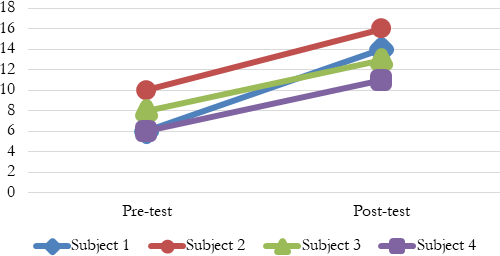
Some adolescents experience dissatisfaction when their bodies undergo unwanted changes. They will develop an exaggerated negative self-image that leads to body dysmorphic disorder (BDD). The negative image that adolescents with BDD tendencies have of themselves is not only limited to their appearance but has extended to their whole self. Some adolescents with BDD tendencies experience self esteem problems. This study aims to determine the effect of gratitude therapy on self esteem in adolescents with BDD tendencies. The subjects in this study amounted to 8 people selected by purposive sampling technique. Subjects in this study are adolescents aged 15-18 years and have dissatisfaction with certain body parts. This type of research is a two group randomized pretest-posttest control group design with instruments in the form of a body dysmorphic disorder tendency scale and Rosenberg self esteem scale. The data in this study were analyzed using the Wilcoxon test and the Mann Whitney test. The results showed that gratitude therapy can increase self esteem in adolescents with BDD tendencies. This can be seen from the results of the Mann Whitney test which shows a value of Z = -2.021 (p = 0.043 <0.05). Therefore, it can be concluded that gratitude therapy can increase self esteem in adolescents with BDD tendencies.
References
Abdillah, I. Y., Ningrum, D., Rosyda, R., & Dolifah, D. (2023). Gambaran tingkat citra tubuh remaja pertengahan (middle adolescent) pada usia 16-18 tahun siswa sekolah menengah atas. Jurnal Ners, 7(2), 1693–1699. https://doi.org/10.31004/jn.v7i2.15785
Adriani, R., Sagir, A., & Fadhila, M. (2021). Kebersyukuran terhadap kecenderungan body dysmorphic disorder terhadap wanita dewasa awal. Taujihat : Jurnal Bimbingan Konseling Islam, 2(2), 133–150. Retrieved from: https://journal.iain-samarinda.ac.id/index.php/taujihat/index
Afandi, N. K., Subandi, & Ilyas, H. (2021). Psikologi kebersyukuran (perspektif psikologi positif dan relevansinya dengan pendidikan Islam). Rajawali.
Agustiningsih, N., Rohmi, F., & Rahayu, Y. E. (2020). Hubungan body image dengan harga diri pada remaja putri usia 16-18 tahun. Jurnal Ilmu Kesehatan, 8(2), 109–115. https://doi.org/10.32831/jik.v8i2.244
Alkozei, A., Smith, R., & Killgore, W. D. S. (2018). Gratitude and subjective wellbeing: A proposal of two causal frameworks. Journal of Happiness Studies, 19(5), 1519–1542. https://doi.org/10.1007/s10902-017-9870-1
Alkozei, A., Smith, R., & Killgore, W. D. S. (2019). Implicit Self-esteem is associated with higher levels of trait gratitude in women but not men. Journal of Positive Psychology, 14(5), 587–592. https://doi.org/10.1080/17439760.2018.1497691
Alwi, M. A., & Razak, A. (2022). Adaptasi Rosenberg’s self-esteem di Indonesia. Seminar Nasional Hasil Penelitian, 1074–1080. Retrieved from: https://ojs.unm.ac.id/semnaslemlit/article/view/39885
Ananta, A. (2016). Penurunan body dissatisfaction pada perempuan dalam masa emerging adulthood dengan gratitude intervention. Persona, 5(2), 160–166. https://doi.org/10.30996/persona.v5i02.733
Andarwati, I. (2016). Citra diri ditinjau dari intensitas penggunaan media jejaring sosial Instagram pada siswa kelas XI sman 9 Yogyakarta. Jurnal Riset Mahasiswa, 5(3), 1–12 . Retrieved from: https://journal.student.uny.ac.id/index.php/fipbk/article/viewFile/972/882
American Psychiatric Association. (2022). Diagnostic and statistical manual of mental disorders fifth edition text revision. American Psychiatric Association.
Aristantya, E. K., & Helmi, A. F. (2019). Citra tubuh pada remaja pengguna Instagram. Gadjah Mada Journal of Psychology (GamaJoP), 5(2), 114. Retrieved from: https://doi.org/10.22146/gamajop.50624
Armenta, C. N., Fritz, M. M., & Lyubomirsky, S. (2017). Functions of positive emotions: gratitude As a motivator of self-improvement and positive change. Emotion Review, 9(3), 183–190. https://doi.org/10.1177/1754073916669596
Blevins, C. A., Weathers, F. W., Davis, M. T., Witte, T. K., & Domino, J. L. (2016). The Posttraumatic stress disorder checklist for DSM-5 (PCL-5): Development and initial psychometric evaluation. Journal of Traumatic Stress, 28, 189–498. doi:10.1002/jts.22059
Boggio, P. S., Giglio, A. C. A., Nakao, C. K., Wingenbach, T. S. H., Marques, L. M., Koller, S., & Gruber, J. (2020). Writing about gratitude increases emotion-regulation efficacy. Journal of Positive Psychology, 15(6), 783–794. https://doi.org/10.1080/17439760.2019.1651893
Bonie, R. J., & Backers, E. P. (2019). The promise of adolesence: realizing opportunity of all youth. The National Academies Press. https://doi.org/10.17226/25388
Bono, G., & Sender, J. T. (2018). How gratitude connects humans to the best in themselves and in others. Research in Human Development, 15(3–4), 224–237. https://doi.org/10.1080/15427609.2018.1499350
Cheng, S.-T., Tsui, P. K., & Lam, J. H. M. (2015). Improving mental health in health care practitioners: Randomized controlled trial of a gratitude intervention. Journal of Consulting and Clinical Psychology. 83(1) 177–186. https://doi.org/10.1037/a0037895
Chua, T. H. H., & Chang, L. (2016). Follow me and like my beautiful selfies: Singapore teenage girls’ engagement in self-presentation and peer comparison on social media. Computers in Human Behavior, 55, 190–197. https://doi.org/10.1016/j.chb.2015.09.011
Cregg, D. R., & Cheavens, J. S. (2021). Gratitude interventions: Effective self-help? A meta-analysis of the impact on symptoms of depression and anxiety. Journal of Happiness Studies, 22(1), 413–445. https://doi.org/10.1007/s10902-020-00236-6
de Leon, K. J. (2017b). Canadian Adolescent perspectives on self-criticism and self-compassion: The role of parent-youth relationships and culture [Master of Science]. University of Guelph.
Dewi, D. P., Pratikto, H., & Aristawati, A. R. (2023). Body body dissatisfaction pada mahasiswi pengguna tiktok: Adakah peranan perfeksionisme?. JIWA: Jurnal Psikologi Indonesia, 1(1), 174–180. https://doi.org/10.30996/jiwa.v1i1.9827
Dunaev, J., Markey, C. H., & Brochu, P. M. (2018). An attitude of gratitude: The effects of body-focused gratitude on weight bias internalization and body image Body Image, 25, 9–13. https://doi.org/10.1016/j.bodyim.2018.01.006
Enander, J., Ivanov, V. Z., Mataix-Cols, D., Kuja-Halkola, R., Ljótsson, B., Lundström, S., Pérez-Vigil, A., Monzani, B., Lichtenstein, P., & Rück, C. (2018). Prevalence and heritability of body dysmorphic symptoms in adolescents and young adults: A population-based nationwide twin study. Psychological Medicine, 48(16), 2740–2747. https://doi.org/10.1017/S0033291718000375
Eskander, N., Limbana, T., & Khan, F. (2020). Psychiatric comorbidities and the risk of suicide in obsessive-compulsive and body dysmorphic disorder. Cureus, 12(8), 10–15. https://doi.org/10.7759/cureus.9805
Fachrandini, A., & Febriani, Z. (2023). Teenagers’ well-being through family leisure activities. Indigenous: Jurnal Ilmiah Psikologi, 8(3), 368–382. https://doi.org/10.23917/indigenous.v8i3.2812
Fatin, A. N. (2023). The influence of self-acceptance on the tendency of body dysmorphic disorder among 2019 female students at UIN Maulana Malik Ibrahim Malang (Undergraduate thesis, Universitas Islam Negeri Maulana Malik Ibrahim Malang). Retrieved from: http://etheses.uin-malang.ac.id/53798/3/19410164.pdf
Felita, P., Siahaja, C., Wijaya, V., Melisa, G., Chandra, M., Dahesihsari, R., Psikologi, F., & Jaya, U. A. (2016). Pemakaian media sosial dan self concept pada remaja. Jurnal Ilmiah Psikologi MANASA, 5(1), 30–41. Retrieved from: https://ejournal.atmajaya.ac.id/index.php/Manasa/article/view/184/365
Fredrickson, B. L. (2001). The role of positive emotions in positive psychology the broaden-and-build theory of positive emotions. American Psychologist, 56(3), 218–226. https://doi.org/https://doi.org/10.1037/0003-066X.56.3.218
Grogan, S. (2021). Body image: Understanding body dissatisfaction in men, women and children(4th ed.). Routledge. https://doi.org/10.4324/9781003100041
Hasrin, A., & Sidik, S. (2023). Tren kecantikan dan identitas sosial: Analisis konsumsi kosmetik dan objektifikasi diri di kalangan perempuan kota Palopo. Jurnal Analisa Sosiologi, 12(4), 740–757. https://doi.org/10.20961/jas.v12i4.71618
Hidayat, R., Malfasari, E., & Herniyanti, R. (2019). Hubungan perlakuan body shaming dengan citra diri mahasiswa. Jurnal Keperawatan Jiwa, 7(1), 79–86. https://doi.org/10.26714/jkj.7.1.2019.79-86
Homan, K. J., & Tylka, T. L. (2018). Development and Exploration of the gratitude model of body appreciation in women. Body Image, 25, 14–22. https://doi.org/10.1016/j.bodyim.2018.01.008
Jannah, M., & Murdiana, S. (2023). Pengaruh perfeksionisme terhadap ketidakpuasan tubuh pada mahasiswi di kota Makassar. PESHUM: Jurnal Pendidikan, Sosial Dan Humaniora, 3(1), 158–166. https://doi.org/10.56799/peshum.v3i1.2652
Jans-Beken, L., Nele, J., Mayke, J., Sanne, P., Jennifer, R., Lilian, L., & and Lataster, J. (2020). Gratitude and health: An updated review. The Journal of Positive Psychology, 15(6), 743–782. https://doi.org/10.1080/17439760.2019.1651888
Khaer, M., Yasser Mansyur, A., Ridfah, A., & Ridha, A. A. (2021). The effectiveness of writing the letter of gratitude technique in reducing the stress level of islamic boarding school student. Jurnal Psikologi Islami, 7(1), 79–85. https://doi.org/10.19109/psikis.v7i1.4612
Killen, A., & Macaskill, A. (2015). Using a gratitude intervention to enhance well-being in older adults. Journal of Happiness Studies, 16(4), 947–964. https://doi.org/10.1007/s10902-014-9542-3
Kuck, N., Cafitz, L., Bürkner, P. C., Hoppen, L., Wilhelm, S., & Buhlmann, U. (2021). Body dysmorphic disorder and self-esteem: A meta-analysis. BMC Psychiatry, 21(310), 1–16. https://doi.org/10.1186/s12888-021-03185-3
Lin, C. C. (2015). The relationships among gratitude, self-esteem, depression, and suicidal ideation among undergraduate students. Scandinavian Journal of Psychology, 56(6), 700–707. https://doi.org/10.1111/sjop.12252
Lukman, F. A., Muis, I., & Hamid, A. N. (2023). The effect of social media use intensity on body image dissatisfaction in early adult women. Indigenous: Jurnal Ilmiah Psikologi, 8(3), 314–324. https://doi.org/10.23917/indigenous.v8i3.2587
Ma, L. K., Tunney, R. J., & Ferguson, E. (2017). Does gratitude enhance prosociality?: A meta-analytic review. Psychological Bulletin. 143(6), 601–635. https://doi.org/10.1037/bul0000103
Mao, Y., Zhao, J., Xu, Y., & Xiang, Y. (2020). How gratitude inhibits envy: From the perspective of positive psychology. PsyCh Journal, 10(3), 384–392. https://doi.org/10.1002/pchj.413
Markus, H. R., & Kitayama, S. (1991). Culture and the self: Implications for cognition, emotion, and motivation. Psychological Review, 98(2), 224–253. https://doi.org/10.1037/0033-295X.98.2.224
Matsumoto, D., & Juang, L. (2013). Culture & psychology. Cengage. https://archive.org/details/culturepsycholog0000mats_c7r4/mode/2up
Nelson, S. K., Layous, K., Cole, S. W., & Lyubomirsky, S. (2016). Do unto others or treat yourself? The effects of prosocial and self-focused behavior on psychological flourishing. Emotion, 16(6), 850–861. https://doi.org/10.1037/emo0000178
Nugraeni, A. (2024). Peran media sosial dalam pembentukan identitas sosial anak muda penulis korespodensi. LANCAH: Jurnal Inovasi Dan Tren, 2(1), 142–147. https://doi.org/10.35870/ljit.v2i1.2247
Patten, M. L. (2014). Understanding research methods : An overview of the essentials. Pyrczak Publishing.
Portocarrero, F. F., Gonzalez, K., & Ekema-Agbaw, M. (2020). A meta-analytic review of the relationship between dispositional gratitude and well-being. Personality and Individual Differences, 164(110101). https://doi.org/10.1016/j.paid.2020.110101
Purba, N. S. P., Sahrani, R., & Mularsih, H. (2020). Intervensi rasa bersyukur untuk meningkatkan harga diri remaja di smp X. Jurnal Muara Ilmu Sosial, Humaniora Dan Seni, 4(1), 186–195. https://doi.org/10.24912/jmishumsen.v4i1.7638
Putra, J. S. (2018). Peran syukur sebagai moderator pengaruh perbandingan sosial terhadap self-esteem pada remaja pengguna media sosial. Psikohumaniora: Jurnal Penelitian Psikologi, 3(2), 197. https://doi.org/10.21580/pjpp.v3i2.2650
Rahmadiyanti, A., & Munthe, R. A. (2020). Social comparison dengan ketidakpuasan bentuk tubuh pada remaja perempuan. Buletin Ilmiah Psikologi, 1(1), 11–19. https://doi.org/10.24014/pib.v1i1.8317
Ramdani, Z. (2021). Metode systematic literature review untuk identifikasi body dysmorphic disorder pada remaja. Journal of Psychological Perspective, 3(2), 53–58. https://doi.org/10.47679/jopp.32952021
Rashid, T., & Seligman, M. (2018). Positive psychotherapy: Clinician manual. Oxford University Press.
Reel, J., Voelker, D., & Greenleaf, C. (2015). Weight status and body image perceptions in adolescents: current perspectives. Adolescent Health, Medicine and Therapeutics, 149. https://doi.org/10.2147/ahmt.s68344
Ridwan, O. A., Widyastuti, & Fakhri, N. (2021). Efektivitas pelatihan gratitude dalam meningkatkan harga diri remaja perempuan yang mengalami body dissatisfaction di Makassar. Jurnal Psikologi Talenta Mahasiswa, 1(2), 57–67. https://doi.org/10.26858/jtm.v1i2.
25544
Ryan, R. M., & Deci, E. L. (2000). Self-determination theory and the facilitation of intrinsic motivation, social development, and well-being. American Psychologist, 55(1), 68–78. https://doi.org/10.1037/0003-066X.55.1.68
Seligman, M. E. P., Steen, T. A., Park, N., & Peterson, C. (2005). Positive psychology progress: Empirical validation of interventions. The American Psychologist, 60(5), 410–421. https://doi.org/10.1037/0003-066X.60.5.410
Shabira, F., & Uyun, Q. (2023). Harga diri dan kebersyukuran sebagai prediktor citra tubuh pada remaja perempuan penggemar K-pop. Psikologika: Jurnal Pemikiran Dan Penelitian Psikologi, 28(1). https://doi.org/10.20885/psikologika.vol28.iss1.art7
Shahid, A., & Shoaib, S. (2023). Impact of gratitude and mindfulness training on the perceived stress levels and self-esteem among secondary school students: An experimental study. Journal of Contemporary Trends and Issues in Education, 3(1), 96–110. https://doi.org/10.55628/jctie.v3i1.87
Singh, A., & Veale, D. (2019). Understanding and treating body dysmorphic disorder. Indian Journal of Psychiatry, 61(7), S131–S135. https://doi.org/10.4103/psychiatry.IndianJPsychiatry_528_18
Susdarwono, E. T. (2021). Testing through the Mann-Whitney method and the Wilcoxon Signed Level on learning cube and perfect cube roots. Journal of Education and Learning Mathematics Research (JELMaR), 2(1), 26–36. https://doi.org/10.37303/jelmar.v2i1.43
Syahrul, M. E., Haris, A. F., & Scorviana, N. (2024). Media sosial Instagram dalam membangun eksistensi diri remaja. JICN: Jurnal Intelek Dan Cendikiawan Nusantara, 1(2), 3061–3068. Retrieved from: https://jicnusantara.com/index.php/jicn/article/view/335
Voci, A., Veneziani, C. A., & Fuochi, G. (2019). Relating mindfulness, heartfulness, and psychological well-being: the role of self-compassion and gratitude. Mindfulness, 10(2), 339–351. https://doi.org/10.1007/s12671-018-0978-0
Widiastuti, T. (2016). Rekayasa gambar diri remaja dalam mencapai pengakuan sosial di Instagram. Jurnal Ilmu Komunikasi, 14(3), 215–4. https://doi.org/10.31315/jik.v14i3.2134
Wolfe, W. L., & Patterson, K. (2017). Comparison of a gratitude-based and cognitive restructuring intervention for body dissatisfaction and dysfunctional eating behavior in college women. Eating Disorders, 25(4), 330–344. https://doi.org/10.1080/10640266.2017.1279908
Zinovyeva, E. V., Kazantseva, T. V., & Nikonova, A. N. (2016). Self-esteem and loneliness in Russian adolescents with body dissatisfaction. Procedia-Social and Behavioral Sciences, 233, 367–371. https://doi.org/10.1016/j.sbspro.2016.10.160
Submitted
Accepted
Published
How to Cite
Issue
Section
License
Copyright (c) 2025 syaripah aini

This work is licensed under a Creative Commons Attribution 4.0 International License.