Islamic Green Leadership in Sustainable Pesantren: A Case Study of Ustadz Abu Nida
DOI:
https://doi.org/10.23917/profetika.v28i01.13274Keywords:
islamic green leadership, spiritual values, sustainable islamic boarding school, ustadz abu nida, sdgsAbstract
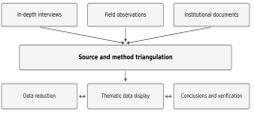
Objective: This study aims to examine the transformation of spiritual values in forming a sustainable Islamic leadership model through the case study of Ustadz Abu Nida. The focus is directed at integrating spirituality, social ethics, and ecological awareness in Islamic boarding school governance to support the Sustainable Development Goals (SDGs). Theoretical framework: This research builds a conceptual framework that synthesizes spirituality, sustainability, and institutional ethics as the core foundation of Islamic Green Leadership. Literature review: Previous studies have focused primarily on the moral and ethical aspects of Islamic leadership, with insufficient attention paid to the ecological dimension and long-term institutional sustainability. Methods: A qualitative descriptive approach using the figure study method was employed. Data were gathered through in-depth interviews, field observations, and documentation at the Islamic Center Bin Baz Islamic Boarding School, Yogyakarta, and analyzed interactively using source triangulation. Results: The study revealed nine distinct dimensions of Islamic Green Leadership, including spiritual foundation, trust (amanah), asceticism (zuhud), civilized firmness, tolerance, and socio-ecological empowerment. Implications: Islamic boarding schools (pesantren) can serve as a scalable model for sustainable Islamic education by effectively harmonizing spiritual, social, and ecological missions. Novelty: This research offers a novel conceptual model of Islamic Green Leadership, providing an original synthesis between Islamic spirituality, ecological consciousness, and institutional sustainability.
References
[1] W. Umam, “Kepemimpinan Kiai dalam Mengembangkan Pondok Pesantren,” Attractive : Innovative Education Journal, vol. 2, no. 3. scholar.archive.org, p. 61, 2020. https://doi.org/10.51278/aj.v2i3.60.
[2] M. Ilyas, A. M. Sibuea, and Zahrila, “Leadership transformation: study of Islamic boarding school (DAYAH) in Aceh Province of Indonesia,” J. Entrep. Educ., vol. 22, no. 2, 2019.
[3] M. A. Ma’arif, M. Rokhman, M. A. Fatikh, A. Kartiko, Ahmadi, and M. S. Hasan, “Kiai’S Leadership Strategies in Strengthening Religious Moderation in Islamic Boarding Schools,” J. Ilm. Peuradeun, vol. 13, no. 1, pp. 23–48, 2025, https://doi.org/10.26811/peuradeun.v13i1.1168.
[4] M. A. Abdullah, “Islam as a cultural capital in Indonesia and the Malay world: A convergence of Islamic studies, social sciences and humanities,” J. Indones. Islam, vol. 11, no. 2, pp. 307–328, 2017, https://doi.org/10.15642/JIIS.2017.11.2.307-328.
[5] P. Sukowati, A. I. Zunaih, S. H. Jatmikowati, and V. Nelwan, “Kiai leadership model in the development strategy of the participants,” Int. J. Recent Technol. Eng., vol. 8, no. 2 Special Issue, pp. 579–586, 2019.
[6] K. Kristiyanto and H. S. Alikodra, “Eco-pesantren development: The challenges and opportunities of ecological conservation,” Biog. J. Ilm. …, 2021, https://doi.org/10.24252/bio.v9i1.21084.
[7] P. Herliana and A. Suriansyah, “Green leadership and environmental awareness growing with Indonesia’s Adiwiyata Program at a Kotabaru school,” Issues Educ. Res., 2025.
[8] B. N. Tanjung et al., “The influence of transformational leadership, job satisfaction and organizational citizenship behavior on the performance of Islamic school teachers,” Syst. Rev. Pharm., vol. 11, no. 7, pp. 539–546, 2020, https://doi.org/10.31838/srp.2020.7.78.
[9] A. Sahin, I., & Thompson, “Teachers’ Perceptions of Innovation: A Study of Turkish Elementary Schools,” Educ. Sci., vol. 32, no. 145, 2007.
[10] Mahsusi, S. Hudaa, M. Fahmi, Kusen, N. D. Haryanti, and M. B. N. Wajdi, “Achieving excellence: the role of digital transformation in madrasah management and Islamic culture,” Cogent Arts Humanit., vol. 11, no. 1, 2024, https://doi.org/10.1080/23311983.2024.2304407.
[11] Zakariyah, “Improving Madrasah Competitiveness Through Excellent Islamic Education Development Strategies,” Nazhruna J. Pendidik. Islam, vol. 7, no. 1, pp. 140–155, 2024, https://doi.org/10.31538/nzh.v7i1.4541.
[12] M. Syafiq Humaisi, M. Thoyib, I. Arifin, A. Imron, and A. Sonhadji, “Pesantren education and charismatic leadership: A qualitative analysis study on quality improvement of Islamic education in Pondok Pesantren Nurul Jadid Paiton, Probolinggo,” Univers. J. Educ. Res., vol. 7, no. 7, pp. 1509–1516, 2019, https://doi.org/10.13189/ujer.2019.070704.
[13] S. Sudarsono and A. Muaddin, “Green Pesantren Leadership: Shaping a Moderate Society for Environmental Conservation,” Idarah (Jurnal Pendidik. dan Kependidikan), vol. 8, no. 1, pp. 1–12, 2024, https://doi.org/10.47766/idarah.v8i1.1381.
[14] J. Khanom, “The Role of Islamic Religious Education in Raising Public Health Awareness in Villages,” vol. 1, no. 1, pp. 1–14, 2025, https://doi.org/10.61455/wijce.v1i01.449.
[15] E. Egel and L. W. Fry, “Spiritual Leadership as a Model for Islamic Leadership,” Public Integr., vol. 19, no. 1, pp. 77–95, 2017, https://doi.org/10.1080/10999922.2016.1200411.
[16] J. Zhong, X. Shao, H. Xiao, R. Yang, and X. An, “The research on the green leadership: a systematic review and theoretical framework,” Environ. Dev. Sustain., vol. 27, no. 1, pp. 377–408, 2025, https://doi.org/10.1007/s10668-023-03960-0.
[17] B. M. Al-Ghazali, “Green transformational leadership and green creativity? The mediating role of green thinking and green organizational identity in SMEs,” Front. Psychol., vol. 13, 2022, https://doi.org/10.3389/fpsyg.2022.977998.
[18] A. Mehellou, M. S. Mohamad Saleh, and B. Omar, “Maqāṣid al-Sharī’ah as Goal Framing for Sustainable Behaviours: A Conceptual Framework,” Intellect. Discourse, vol. 31, no. 1, pp. 183–209, 2023, https://doi.org/10.31436/id.v31i1.1805.
[19] M. U. A. G. Slamet, “Islamic leadership model for Indonesian millennial teachers' performance in pharmacy schools,” Syst. Rev. Pharm., vol. 11, no. 8, pp. 374–382, 2020, https://doi.org/10.31838/srp.2020.8.55.
[20] M. T. Kustiawan, M. Rasidin, D. Witro, D. Busni, and M. L. Jalaluddin, “Islamic Leadership Contestation: Exploring the Practices of Conservative Islamic Movements in Indonesia,” J. Ilm. Islam Futur., vol. 23, no. 2, pp. 196–217, 2023, https://doi.org/10.22373/JIIF.V23I2.14938.
[21] M. J. Salleh, “Educational leadership model: An Islamic perspective,” Al-Shajarah, no. Special Issue: EDUCATION, pp. 49–69, 2018.
[22] Misdah, A. I. Soemantri, S. Sumin, M. B. N. Wajdi, and M. I. Pamungkas, “Religious Leadership and Personal Branding of ‘Kyai’ in Islamic Education Management: Pathways to Promoting Moderation and Preventing Radicalism,” Munaddhomah J. Manaj. Pendidik. Islam, vol. 6, no. 1, pp. 122–138, Mar. 2025, https://doi.org/10.31538/munaddhomah.v6i1.1510.
[23] M. Rusydi, H. M. Muhdar, and F. Djafar, “Islamic Institution Management: How Transformational Leadership Affects Employee Creativity and Its Implications on Entrepreneurial Behaviour,” J. Chinese Hum. Resour. Manag., vol. 16, no. 3, pp. 85–102, 2025, https://doi.org/10.47297/wspchrmWSP2040-800505.20251603.
[24] L. W. Jody Fry and E. Egel, “Spiritual Leadership: Embedding sustainability in the triple bottom line,” Graziadio Bus. Rep., vol. 20, no. 3, 2017.
[25] M. A. Mutalib, A. Rafiki, and W. M. F. A. W. Razali, Principles and Practice of Islamic Leadership. 2022. https://doi.org/10.1007/978-981-19-0908-5.
[26] M. Tontowi, Y. Riyanto, Soedjarwo, I. Adawiyah, and S. Hartono, “Islamic leadership in practice: A review and an educational to common existing thought with supply chain awareness system,” Int. J. Supply Chain Manag., vol. 9, no. 3, pp. 1064–1071, 2020.
[27] K. Khalid, S. Iqbal, and S. Akhtar, “Integrating green leadership, knowledge management and creativity: pathways to enhancing green intellectual capital and its dimensions,” J. Intellect. Cap., 2025, https://doi.org/10.1108/JIC-11-2024-0362.
[28] N. Md Dali, A. Abdullah, and A. A. Sarkawi, “Liveability planning for cities: Within the Islamic framework of Maqasid Al-Shari’Ah,” Plan. Malaysia, vol. 4, no. Special Issue 4, pp. 197–208, 2016, https://doi.org/10.21837/pmjournal.v14.i4.158.
[29] Q. Robbaniyah and R. Lina, “Pondok Pesantren Dalam Menghadapi Perubahan Zaman,” J-Alif J. Penelit. Huk. Ekon. Syariah dan Budaya Islam, vol. 8, no. 1, p. 93, 2023, https://doi.org/10.35329/jalif.v8i1.3825.
[30] M. Z. Ansori, A. Fattah, U. Nasri, and F. Muhtar, “Revolusi Pembelajaran di Pesantren Modern: Pengaruh dan Implikasi Pembelajaran Bersanad,” J. Ilm. Glob. Educ., vol. 5, no. 1, pp. 54–62, Mar. 2024, https://doi.org/10.55681/jige.v5i1.2377.
[31] E. B. G. Suwoko, Waston, Bambang Setiaji, Muthoifin, Huda Kurnia Maulana, “Family Education To Improve The Quality Of Human Resources And Sustainable Development In Samarinda,” Rev. Gestão Soc. e Ambient., vol. 18, no. 6, pp. 1–19, 2024, https://doi.org/10.24857/rgsa.v18n6-011.
[32] I. Afiyah and S. Elbanna, Mariam, “Speaking Harmony: Communication Style between Teachers and Santri for Moral Value Optimization in Support of SDGs at MA Ribhul Ulum Demak,” Maktab. Rev. Sustain. Dev. Goals, vol. 1, no. 1, pp. 45–72, 2024.
[33] A. A. Sarvestani, “Insights into Self-Knowledge from Islamic Teachings : A Path Towards Ethical Environmental Stewardship within the Framework of the SDGs,” Profetika J. Stud. Islam, vol. 25, no. 2, pp. 375–386, 2024, https://doi.org/10.23917/profetika.v25i02.6721.
[34] L. Yafi and T. Al Mutawakkil, “Innovating Finance: Applying the Nash Concept to Develop a Sustainable Pawn Model Aligned with the SDGs,” Maktab. Rev. Sustain. Dev. Goals, vol. 1, no. 1, pp. 1–12, 2024.
[35] S. U. A. K. Waston and M. Muthoifin, Andri Nirwana An, “The Role Of Faith-Based Education In Bangladesh ’ S Multicultural System And Its Impact On The Sustainable Development Goals ( Sdgs ),” J. Lifestyle SDGs Rev., vol. 5, pp. 1–19, 2025, https://doi.org/10.47172/2965-730X.SDGsReview.v5.n02.pe03472.
[36] A. A. M. Yahya Muhdiana Fauzin, “Optimizing Teacher Student Dynamics through the Nash Principle: Towards Academic Excellence and SDG 4 on Quality Education,” Maktabah Reviews on Sustainable Development Goals, vol. 1, no. 1, pp. 29–44, 2024.
[37] A. N. An, F. Q. A. Tamami, Z. Daud, N. M. Salleh, M. H. bin Ishak, and M. Muthoifin, “Understanding the Integration of Deep Learning and Artificial Intelligence in Quranic Education and Research through Bibliometric Analysis,” Educ. Process Int. J., vol. 14, 2025, https://doi.org/10.22521/edupij.2025.14.12.
[38] M. Elbanna, “Islamic Education Models: A Bibliometric Analysis of Challenges and Prospects,” Solo Univers. J. Islam. Educ. Multicult., vol. 3, no. 1, pp. 11–26, 2025, https://doi.org/10.61455/sujiem.v3i01.231.
[39] Q. Robbaniyah and R. Lina, “Eksplorasi Strategi Kontra Radikalisme pada Santri di Pondok Pesantren Islamic Center Bin Baz Yogyakarta,” Amorti J. Stud. Islam Interdisip., vol. 1, no. 1, pp. 1–10, 2022, https://doi.org/10.59944/amorti.v1i1.5.
[40] M. Hidayat, “Model Komunikasi Kyai Dengan Santri Di Pesantren,” J. Aspikom, vol. 2, no. 6, p. 385, 2017, https://doi.org/10.24329/aspikom.v2i6.89.
[41] M. Sri Mega Indah Umi Zulfiani and I. Rosyadi, “Corporate Social Responsibility (CSR) Practices of Shariaconsumer Cooperatives for Sustainable Development Goals (SDGs) Ethical Perspective,” J. Lifestyle SDGs Rev., vol. 4, pp. 1–20, 2024, https://doi.org/10.47172/2965-730X.SDGsReview.v4.n00.pe01752.
[42] A. Nirwana et al., “The Role of Traditional Salt Production in Achieving Halal Standards of the Ulamaconsultative Council: Implications for Sustainable Development Goals,” J. Lifestyle SDG’S Rev., vol. 4, no. 2, pp. 1–47, 2024, https://doi.org/10.47172/2965-730X.SDGsReview.v4.n02.pe01721.
[43] M. B. Alauddin et al., “The Concept of Ta ’ awun and Sharia Mutual Cooperation in Prosperity and the Establishment of Darus Salam Mosque,” Demak Univers. J. Islam Sharia, vol. 1, no. 3, pp. 241–254, 2024, https://doi.org/10.61455/deujis.v1i03.75.
[44] P. Hapsari, “Correlation Between Islamic Religiosity and Mental Well-Being in Students in the Perspective of Achieving Sustainable Development Goals ( SDGs ),” Profetika J. Stud. Islam, vol. 25, no. 2, pp. 363–374, 2024, https://doi.org/10.23917/profetika.v25i02.4363.
Downloads
Submitted
Accepted
Published
Issue
Section
License
Copyright (c) 2026 Roidah Lina, Qiyadah Robbaniyah, Jobeda Khanom

This work is licensed under a Creative Commons Attribution 4.0 International License.