Drug Repurposing In Modern Drug Discovery: Role of In Silico Study
DOI:
https://doi.org/10.23917/pharmacon.v22i2.13698Keywords:
Artificial intelligence, Drug repurposing, In silico, Virtual screeningAbstract
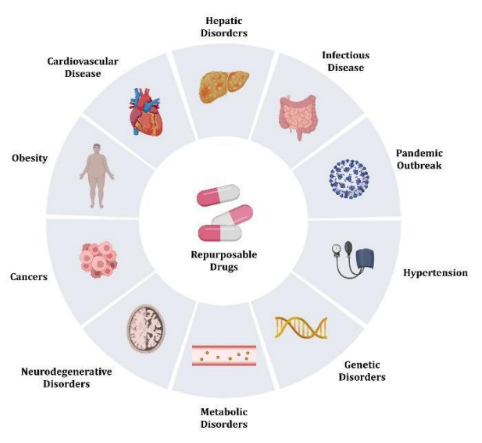
Despite substantial pharmaceutical investments of approximately $50 billion annually, modern drug discovery yields only 20-25 new approvals, with traditional development requiring 12-15 years and success rates below 10%. Contemporary challenges, including high clinical failure rates, prolonged timelines, and limited preclinical predictive capacity, represent the current therapeutic debacle of de novo drug development. To address this critical scenario, drug repurposing is an appealing strategy for identifying novel therapeutic applications from existing approved drugs. However, traditional repurposing relies on serendipitous observations or resource-intensive screenings. In contrast, in silico drug repurposing is an emerging, hypothesis-driven approach leveraging big data, artificial intelligence, machine learning, multi-omics analysis, and network pharmacology to predict drug-target interactions and therapeutic efficacy cost-effectively. Additionally, repurposing approaches, including in silico techniques, reduce development timelines to 3-12 years with enhanced success rates of approximately 25%, with 30% of FDA-approved drugs originating from repurposing initiatives. Therefore, computational drug repurposing substantially improves therapeutic development efficiency while requiring rigorous experimental validation for clinical translation. Here, we will review in silico methodologies exploited for drug repurposing across oncology, infectious diseases, neurodegenerative disorders, metabolic disorders, and pandemic threats, alongside computational pharmacology assessment tools to address how the implementation of current in silico options can accelerate the robust drug repurposing opportunities.
Downloads
References
Abadi, M., Barham, P., Chen, J., Chen, Z., Davis, A., Dean, J., Devin, M., Ghemawat, S., Irving, G., Isard, M., Kudlur, M., Levenberg, J., Monga, R., Moore, S., Murray, D. G., Steiner, B., Tucker, P., Vasudevan, V., Warden, P., … Zheng, X. (2016). {TensorFlow}: A System for {Large-Scale} Machine Learning. In Business Opp (Vol. 10, Issue July). https://www.usenix.org/system/files/conference/osdi16/osdi16-liu.pdf%5Cnhttps://www.usenix.org/conference/osdi16/technical-sessions/presentation/abadi
Abdulaziz, L., Elhadi, E., Abdallah, E. A., Alnoor, F. A., & Yousef, B. A. (2022). Antiviral Activity of Approved Antibacterial, Antifungal, Antiprotozoal and Anthelmintic Drugs: Chances for Drug Repurposing for Antiviral Drug Discovery. Journal of Experimental Pharmacology, 14, 97–115. https://doi.org/10.2147/JEP.S346006;ISSUE:ISSUE:DOI DOI: https://doi.org/10.2147/JEP.S346006
Ahamed, M. S., & Al Ashik, S. A. (2025). Computer-aided unveiling molecular mechanisms of Xylocarpus granatum against colorectal cancer: therapeutic intervention targeting P13K-AKT signaling pathway. Computers in Biology and Medicine, 193, 110441. https://doi.org/10.1016/J.COMPBIOMED.2025.110441 DOI: https://doi.org/10.1016/j.compbiomed.2025.110441
Ahmed, F., Kang, I. S., Kim, K. H., Asif, A., Rahim, C. S. A., Samantasinghar, A., Memon, F. H., & Choi, K. H. (2023). Drug repurposing for viral cancers: A paradigm of machine learning, deep learning, and virtual screening-based approaches. Journal of Medical Virology, 95(4), e28693. https://doi.org/10.1002/JMV.28693 DOI: https://doi.org/10.1002/jmv.28693
Al-Sanea, M. M., Chilingaryan, G., Abelyan, N., Mamikonyan, M., Gasparyan, H., Hovhannisyan, S., Hamdi, A., Ali, A. R., Selim, S., & Mohamed, A. A. B. (2022). Combination of ligand and structure based virtual screening approaches for the discovery of potential PARP1 inhibitors. PLOS ONE, 17(9), e0272065. https://doi.org/10.1371/JOURNAL.PONE.0272065 DOI: https://doi.org/10.1371/journal.pone.0272065
Amiri Souri, E., Chenoweth, A., Karagiannis, S. N., & Tsoka, S. (2023). Drug repurposing and prediction of multiple interaction types via graph embedding. BMC Bioinformatics 2023 24:1, 24(1), 1–17. https://doi.org/10.1186/S12859-023-05317-W DOI: https://doi.org/10.1186/s12859-023-05317-w
Amorim, A. M. B., Piochi, L. F., Gaspar, A. T., Preto, A. J., Rosário-Ferreira, N., & Moreira, I. S. (2024). Advancing Drug Safety in Drug Development: Bridging Computational Predictions for Enhanced Toxicity Prediction. Chemical Research in Toxicology, 37(6), 827–849. https://doi.org/10.1021/ACS.CHEMRESTOX.3C00352 DOI: https://doi.org/10.1021/acs.chemrestox.3c00352
Ananna, N. F., Akter, A., Amin, Md. Al, Islam, K. M. T., & Mahmud, S. (2024). Ligand-based pharmacophore modeling targeting the fluoroquinolone antibiotics to identify potential antimicrobial compounds. Computational and Structural Biotechnology Reports, 1, 100021. https://doi.org/10.1016/J.CSBR.2024.100021 DOI: https://doi.org/10.1016/j.csbr.2024.100021
Andrade, C. (2016). Antipsychotic drugs in schizophrenia: Relative effects in patients with and without treatment resistance. Journal of Clinical Psychiatry, 77(12), e1656–e1660. https://doi.org/10.4088/JCP.16F11328 DOI: https://doi.org/10.4088/JCP.16f11328
Baek, K., Woo, M. R., Din, F. U., Choi, Y. S., Kang, M. J., Kim, J. O., Choi, H. G., & Jin, S. G. (2024). Comparison of Solid Self-Nanoemulsifying Systems and Surface-Coated Microspheres: Improving Oral Bioavailability of Niclosamide. International Journal of Nanomedicine, 19, 13857–13874. https://doi.org/10.2147/IJN.S494083;WGROUP:STRING:PUBLICATION DOI: https://doi.org/10.2147/IJN.S494083
Banerjee, P., Kemmler, E., Dunkel, M., & Preissner, R. (2024). ProTox 3.0: a webserver for the prediction of toxicity of chemicals. Nucleic Acids Research, 52(W1), W513–W520. https://doi.org/10.1093/NAR/GKAE303 DOI: https://doi.org/10.1093/nar/gkae303
Banjare, P., Wamanrao Matore, B., Murmu, A., Kumar, V., Singh, J., & Roy, P. P. (2023). In silico Strategy: A Promising Implement in the Development of Multitarget Drugs against Neurodegenerative Diseases. Current Topics in Medicinal Chemistry, 23(29), 2765–2791. https://doi.org/10.2174/1568026623666230811113231/CITE/REFWORKS DOI: https://doi.org/10.2174/1568026623666230811113231
Barnwal, A., Das, S., & Bhattacharyya, J. (2023). Repurposing Ponatinib as a PD-L1 Inhibitor Revealed by Drug Repurposing Screening and Validation by In Vitro and In Vivo Experiments. ACS Pharmacology & Translational Science, 6(2), 281–289. https://doi.org/10.1021/ACSPTSCI.2C00214 DOI: https://doi.org/10.1021/acsptsci.2c00214
Begley, C. G., Ashton, M., Baell, J., Bettess, M., Brown, M. P., Carter, B., Charman, W. N., Davis, C., Fisher, S., Frazer, I., Gautam, A., Jennings, M. P., Kearney, P., Keeffe, E., Kelly, D., Lopez, A. F., McGuckin, M., Parker, M. W., Rayner, C., … Sullivan, M. (2021). Drug repurposing: Misconceptions, challenges, and opportunities for academic researchers. Science Translational Medicine, 13(612). https://doi.org/10.1126/SCITRANSLMED.ABD5524;JOURNAL:JOURNAL:STM;ISSUE:ISSUE:DOI DOI: https://doi.org/10.1126/scitranslmed.abd5524
Bugnon, M., Röhrig, U. F., Goullieux, M., Perez, M. A. S., Daina, A., Michielin, O., & Zoete, V. (2024). SwissDock 2024: major enhancements for small-molecule docking with Attracting Cavities and AutoDock Vina. Nucleic Acids Research, 52(W1), W324–W332. https://doi.org/10.1093/NAR/GKAE300 DOI: https://doi.org/10.1093/nar/gkae300
Burley, S. K., Bhikadiya, C., Bi, C., Bittrich, S., Chao, H., Chen, L., Craig, P. A., Crichlow, G. V., Dalenberg, K., Duarte, J. M., Dutta, S., Fayazi, M., Feng, Z., Flatt, J. W., Ganesan, S., Ghosh, S., Goodsell, D. S., Green, R. K., Guranovic, V., … Zardecki, C. (2023). RCSB Protein Data Bank (RCSB.org): delivery of experimentally-determined PDB structures alongside one million computed structure models of proteins from artificial intelligence/machine learning. Nucleic Acids Research, 51(D1), D488–D508. https://doi.org/10.1093/NAR/GKAC1077 DOI: https://doi.org/10.1093/nar/gkac1077
Cavalcante, B. R. R., Freitas, R. D., Siquara da Rocha, L. de O., Santos, R. de S. B. D., Souza, B. S. de F., Ramos, P. I. P., Rocha, G. V., & Gurgel Rocha, C. A. (2024). In silico approaches for drug repurposing in oncology: a scoping review. Frontiers in Pharmacology, 15, 1400029. https://doi.org/10.3389/FPHAR.2024.1400029/FULL DOI: https://doi.org/10.3389/fphar.2024.1400029
Cavasotto, C. N., & Di Filippo, J. I. (2021). In silico Drug Repurposing for COVID-19: Targeting SARS-CoV-2 Proteins through Docking and Consensus Ranking. Molecular Informatics, 40(1), 2000115. https://doi.org/10.1002/MINF.202000115;PAGE:STRING:ARTICLE/CHAPTER DOI: https://doi.org/10.1002/minf.202000115
Cha, Y., Erez, T., Reynolds, I. J., Kumar, D., Ross, J., Koytiger, G., Kusko, R., Zeskind, B., Risso, S., Kagan, E., Papapetropoulos, S., Grossman, I., & Laifenfeld, D. (2018). Drug repurposing from the perspective of pharmaceutical companies. British Journal of Pharmacology, 175(2), 168–180. https://doi.org/10.1111/BPH.13798 DOI: https://doi.org/10.1111/bph.13798
Chakraborty, C., Sharma, A. R., Bhattacharya, M., Agoramoorthy, G., & Lee, S. S. (2021). The Drug Repurposing for COVID-19 Clinical Trials Provide Very Effective Therapeutic Combinations: Lessons Learned From Major Clinical Studies. Frontiers in Pharmacology, 12, 704205. https://doi.org/10.3389/FPHAR.2021.704205/FULL DOI: https://doi.org/10.3389/fphar.2021.704205
Chartier, M., Morency, L. P., Zylber, M. I., & Najmanovich, R. J. (2017). Large-scale detection of drug off-targets: hypotheses for drug repurposing and understanding side-effects. BMC Pharmacology and Toxicology 2017 18:1, 18(1), 1–16. https://doi.org/10.1186/S40360-017-0128-7 DOI: https://doi.org/10.1186/s40360-017-0128-7
Clough, E., & Barrett, T. (2016). The Gene Expression Omnibus Database. Methods in Molecular Biology, 1418, 93–110. https://doi.org/10.1007/978-1-4939-3578-9_5 DOI: https://doi.org/10.1007/978-1-4939-3578-9_5
Cousins, H. C., Nayar, G., & Altman, R. B. (2024). Computational Approaches to Drug Repurposing: Methods, Challenges, and Opportunities. Annual Review of Biomedical Data Science, 7(1), 15–29. https://doi.org/10.1146/ANNUREV-BIODATASCI-110123-025333/CITE/REFWORKS DOI: https://doi.org/10.1146/annurev-biodatasci-110123-025333
Cruz-Vicente, P., Passarinha, L. A., Silvestre, S., Gallardo, E., Muñoz-Torrero, D., Rapposelli, S., Gütschow, M., Matos, M. J., Emília De Sousa, M., & Saso, L. (2021). Recent Developments in New Therapeutic Agents against Alzheimer and Parkinson Diseases: In-Silico Approaches. Molecules 2021, Vol. 26, Page 2193, 26(8), 2193. https://doi.org/10.3390/MOLECULES26082193 DOI: https://doi.org/10.3390/molecules26082193
Daina, A., Michielin, O., & Zoete, V. (2017). SwissADME: a free web tool to evaluate pharmacokinetics, drug-likeness and medicinal chemistry friendliness of small molecules. Scientific Reports 2017 7:1, 7(1), 1–13. https://doi.org/10.1038/srep42717 DOI: https://doi.org/10.1038/srep42717
Daluwatte, C., Schotland, P., Strauss, D. G., Burkhart, K. K., & Racz, R. (2020). Predicting potential adverse events using safety data from marketed drugs. BMC Bioinformatics 2020 21:1, 21(1), 1–21. https://doi.org/10.1186/S12859-020-3509-7 DOI: https://doi.org/10.1186/s12859-020-3509-7
Danhof, M., de Lange, E. C. M., Della Pasqua, O. E., Ploeger, B. A., & Voskuyl, R. A. (2008). Mechanism-based pharmacokinetic-pharmacodynamic (PK-PD) modeling in translational drug research. Trends in Pharmacological Sciences, 29(4), 186–191. https://doi.org/10.1016/j.tips.2008.01.007 DOI: https://doi.org/10.1016/j.tips.2008.01.007
Eberhardt, J., Santos-Martins, D., Tillack, A. F., & Forli, S. (2021). AutoDock Vina 1.2.0: New Docking Methods, Expanded Force Field, and Python Bindings. Journal of Chemical Information and Modeling, 61(8), 3891–3898. https://doi.org/10.1021/ACS.JCIM.1C00203 DOI: https://doi.org/10.1021/acs.jcim.1c00203
El-Nikhely, N., & El-Yazbi, A. F. (2024). A proposed computational workflow for bioinformatics-based drug repurposing: A case study of Canagliflozin. 2024 International Conference on Machine Intelligence and Smart Innovation, ICMISI 2024 - Proceedings, 224–227. https://doi.org/10.1109/ICMISI61517.2024.10580158 DOI: https://doi.org/10.1109/ICMISI61517.2024.10580158
Fan, J., Fu, A., & Zhang, L. (2019). Progress in molecular docking. Quantitative Biology, 7(2), 83–89. https://doi.org/10.1007/S40484-019-0172-Y/METRICS DOI: https://doi.org/10.1007/s40484-019-0172-y
Ferreira, L. L. G., & Andricopulo, A. D. (2019). ADMET modeling approaches in drug discovery. Drug Discovery Today, 24(5), 1157–1165. https://doi.org/10.1016/J.DRUDIS.2019.03.015 DOI: https://doi.org/10.1016/j.drudis.2019.03.015
Fu, L., Shi, S., Yi, J., Wang, N., He, Y., Wu, Z., Peng, J., Deng, Y., Wang, W., Wu, C., Lyu, A., Zeng, X., Zhao, W., Hou, T., & Cao, D. (2024). ADMETlab 3.0: an updated comprehensive online ADMET prediction platform enhanced with broader coverage, improved performance, API functionality and decision support. Nucleic Acids Research, 52(W1), W422–W431. https://doi.org/10.1093/NAR/GKAE236 DOI: https://doi.org/10.1093/nar/gkae236
Galindez, G., Matschinske, J., Rose, T. D., Sadegh, S., Salgado-Albarrán, M., Späth, J., Baumbach, J., & Pauling, J. K. (2021). Lessons from the COVID-19 pandemic for advancing computational drug repurposing strategies. Nature Computational Science 2021 1:1, 1(1), 33–41. https://doi.org/10.1038/s43588-020-00007-6 DOI: https://doi.org/10.1038/s43588-020-00007-6
Gaulton, A., Hersey, A., Nowotka, M. L., Patricia Bento, A., Chambers, J., Mendez, D., Mutowo, P., Atkinson, F., Bellis, L. J., Cibrian-Uhalte, E., Davies, M., Dedman, N., Karlsson, A., Magarinos, M. P., Overington, J. P., Papadatos, G., Smit, I., & Leach, A. R. (2017). The ChEMBL database in 2017. Nucleic Acids Research, 45(D1), D945–D954. https://doi.org/10.1093/NAR/GKW1074 DOI: https://doi.org/10.1093/nar/gkw1074
Gil, C., & Martinez, A. (2021). Is drug repurposing really the future of drug discovery or is new innovation truly the way forward? Expert Opinion on Drug Discovery, 16(8), 829–831. https://doi.org/10.1080/17460441.2021.1912733 DOI: https://doi.org/10.1080/17460441.2021.1912733
Govindaraj, R. G., Naderi, M., Singha, M., Lemoine, J., & Brylinski, M. (2018). Large-scale computational drug repositioning to find treatments for rare diseases. Npj Systems Biology and Applications 2018 4:1, 4(1), 1–10. https://doi.org/10.1038/s41540-018-0050-7 DOI: https://doi.org/10.1038/s41540-018-0050-7
Grcic, L., Leech, G., Kwan, K., & Storr, T. (2024). Targeting misfolding and aggregation of the amyloid-β peptide and mutant p53 protein using multifunctional molecules. Chemical Communications, 60(11), 1372–1388. https://doi.org/10.1039/D3CC05834D DOI: https://doi.org/10.1039/D3CC05834D
Guerra, R. A., Silva, M. P., Silva, T. C., Salvadori, M. C., Teixeira, F. S., De Oliveira, R. N., Rocha, J. A., Pinto, P. L. S., & De Moraes, J. (2019). In vitro and in vivo studies of spironolactone as an antischistosomal drug capable of clinical repurposing. Antimicrobial Agents and Chemotherapy, 63(3). https://doi.org/10.1128/AAC.01722-18;CTYPE:STRING:JOURNAL DOI: https://doi.org/10.1128/AAC.01722-18
Haider, M., Chauhan, A., Tariq, S., Pathak, D. P., Siddiqui, N., Ali, S., Pottoo, F. H., & Ali, R. (2021). Application of In silico Methods in the Design of Drugs for Neurodegenerative Diseases. Current Topics in Medicinal Chemistry, 21(11), 995–1011. https://doi.org/10.2174/1568026621666210521164545/CITE/REFWORKS DOI: https://doi.org/10.2174/1568026621666210521164545
Hamid, A., Mäser, P., & Mahmoud, A. B. (2024). Drug Repurposing in the Chemotherapy of Infectious Diseases. Molecules 2024, Vol. 29, Page 635, 29(3), 635. https://doi.org/10.3390/MOLECULES29030635 DOI: https://doi.org/10.3390/molecules29030635
Heid, E., Greenman, K. P., Chung, Y., Li, S. C., Graff, D. E., Vermeire, F. H., Wu, H., Green, W. H., & McGill, C. J. (2023). Chemprop: A Machine Learning Package for Chemical Property Prediction. Journal of Chemical Information and Modeling, 64(1), 9–17. https://doi.org/10.1021/ACS.JCIM.3C01250 DOI: https://doi.org/10.1021/acs.jcim.3c01250
Hodos, R. A., Kidd, B. A., Shameer, K., Readhead, B. P., & Dudley, J. T. (2016). In silico methods for drug repurposing and pharmacology. Wiley Interdisciplinary Reviews: Systems Biology and Medicine, 8(3), 186–210. https://doi.org/10.1002/WSBM.1337;WEBSITE:WEBSITE:WIRES;ISSUE:ISSUE:DOI DOI: https://doi.org/10.1002/wsbm.1337
Honkala, A., Malhotra, S. V., Kummar, S., & Junttila, M. R. (2021). Harnessing the predictive power of preclinical models for oncology drug development. Nature Reviews Drug Discovery 2021 21:2, 21(2), 99–114. https://doi.org/10.1038/s41573-021-00301-6 DOI: https://doi.org/10.1038/s41573-021-00301-6
Hopkins, A. L. (2008). Network pharmacology: The next paradigm in drug discovery. Nature Chemical Biology, 4(11), 682–690. https://doi.org/10.1038/NCHEMBIO.118;KWRD DOI: https://doi.org/10.1038/nchembio.118
Hou, X., You, J., & Hu, P. (2019). Predicting drug-drug interactions using deep neural network. ACM International Conference Proceeding Series, Part F148150, 168–172. https://doi.org/10.1145/3318299.3318323;TOPIC:TOPIC:CONFERENCE-COLLECTIONS DOI: https://doi.org/10.1145/3318299.3318323
Huang, K., Fu, T., Glass, L. M., Zitnik, M., Xiao, C., & Sun, J. (2021). DeepPurpose: a deep learning library for drug–target interaction prediction. Bioinformatics, 36(22–23), 5545–5547. https://doi.org/10.1093/BIOINFORMATICS/BTAA1005 DOI: https://doi.org/10.1093/bioinformatics/btaa1005
Islam, K. M. T., & Mahmud, S. (2025). In-silico exploring pathway and mechanism-based therapeutics for allergic rhinitis: Network pharmacology, molecular docking, ADMET, quantum chemistry and machine learning based QSAR approaches. Computers in Biology and Medicine, 187, 109754. https://doi.org/10.1016/J.COMPBIOMED.2025.109754 DOI: https://doi.org/10.1016/j.compbiomed.2025.109754
Islam, K. M. T., & Shibly, A. Z. (2025). Network and pharmacophore guided and BCL2 and HSP90AA1 targeted drug repurposable approaches against rheumatoid arthritis mediated diffuse large B-cell lymphoma. International Journal of Biological Macromolecules, 325, 146985. https://doi.org/10.1016/J.IJBIOMAC.2025.146985 DOI: https://doi.org/10.1016/j.ijbiomac.2025.146985
Issa, N. T., Kruger, J., Byers, S. W., & Dakshanamurthy, S. (2013). Drug repurposing a reality: from computers to the clinic. Expert Review of Clinical Pharmacology, 6(2), 95–97. https://doi.org/10.1586/ECP.12.79;WGROUP:STRING:PUBLICATION DOI: https://doi.org/10.1586/ecp.12.79
Jarada, T. N., Rokne, J. G., & Alhajj, R. (2020). A review of computational drug repositioning: Strategies, approaches, opportunities, challenges, and directions. Journal of Cheminformatics, 12(1), 1–23. https://doi.org/10.1186/S13321-020-00450-7/TABLES/3 DOI: https://doi.org/10.1186/s13321-020-00450-7
Jordan, M. I., & Mitchell, T. M. (2015). Machine learning: Trends, perspectives, and prospects. Science, 349(6245), 255–260. https://doi.org/10.1126/SCIENCE.AAA8415 DOI: https://doi.org/10.1126/science.aaa8415
Jug, M., Laffleur, F., & Millotti, G. (2024). Revisiting Niclosamide Formulation Approaches – a Pathway Toward Drug Repositioning. Drug Design, Development and Therapy, 18, 4153–4182. https://doi.org/10.2147/DDDT.S473178;REQUESTEDJOURNAL:JOURNAL:DDDT20;WGROUP:STRING:PUBLICATION DOI: https://doi.org/10.2147/DDDT.S473178
Kang, D. W., Kim, J. H., Kim, K. M., Cho, S. J., Choi, G. W., & Cho, H. Y. (2024). Inter-Species Pharmacokinetic Modeling and Scaling for Drug Repurposing of Pyronaridine and Artesunate. International Journal of Molecular Sciences, 25(13), 6998. https://doi.org/10.3390/IJMS25136998/S1 DOI: https://doi.org/10.3390/ijms25136998
Khosravi, A., Jayaram, B., Goliaei, B., & Masoudi-Nejad, A. (2019). Active repurposing of drug candidates for melanoma based on GWAS, PheWAS and a wide range of omics data. Molecular Medicine, 25(1), 1–11. https://doi.org/10.1186/S10020-019-0098-X/TABLES/1 DOI: https://doi.org/10.1186/s10020-019-0098-x
Knox, C., Wilson, M., Klinger, C. M., Franklin, M., Oler, E., Wilson, A., Pon, A., Cox, J., Chin, N. E. L., Strawbridge, S. A., Garcia-Patino, M., Kruger, R., Sivakumaran, A., Sanford, S., Doshi, R., Khetarpal, N., Fatokun, O., Doucet, D., Zubkowski, A., … Wishart, D. S. (2024). DrugBank 6.0: the DrugBank Knowledgebase for 2024. Nucleic Acids Research, 52(D1), D1265–D1275. https://doi.org/10.1093/NAR/GKAD976 DOI: https://doi.org/10.1093/nar/gkad976
Kuhn, M., Szklarczyk, D., Pletscher-Frankild, S., Blicher, T. H., Von Mering, C., Jensen, L. J., & Bork, P. (2014). STITCH 4: integration of protein–chemical interactions with user data. Nucleic Acids Research, 42(D1), D401–D407. https://doi.org/10.1093/NAR/GKT1207 DOI: https://doi.org/10.1093/nar/gkt1207
Kumar, N., Sarma, H., & Sastry, G. N. (2022). Repurposing of approved drug molecules for viral infectious diseases: a molecular modelling approach. Journal of Biomolecular Structure and Dynamics, 40(17), 8056–8072. https://doi.org/10.1080/07391102.2021.1905558;REQUESTEDJOURNAL:JOURNAL:TBSD20;WGROUP:STRING:PUBLICATION DOI: https://doi.org/10.1080/07391102.2021.1905558
Kumar, R., Harilal, S., Gupta, S. V., Jose, J., Thomas, D. G., Uddin, M. S., Shah, M. A., & Mathew, B. (2019). Exploring the new horizons of drug repurposing: A vital tool for turning hard work into smart work. European Journal of Medicinal Chemistry, 182, 111602. https://doi.org/10.1016/J.EJMECH.2019.111602 DOI: https://doi.org/10.1016/j.ejmech.2019.111602
K.W. To, K., & Cho, W. C. S. (2022). Drug Repurposing for Cancer Therapy in the Era of Precision Medicine. Current Molecular Pharmacology, 15(7), 895–903. https://doi.org/10.2174/1874467215666220214104530/CITE/REFWORKS DOI: https://doi.org/10.2174/1874467215666220214104530
Lavecchia, A., & Cerchia, C. (2016). In silico methods to address polypharmacology: current status, applications and future perspectives. Drug Discovery Today, 21(2), 288–298. https://doi.org/10.1016/J.DRUDIS.2015.12.007 DOI: https://doi.org/10.1016/j.drudis.2015.12.007
Liu, D. Y., Shen, H., Greenbaum, J., Yi, Q. R., Liang, S., Zhang, Y., Liu, J. C., Qiu, C., Zhao, L. J., Tian, Q., Su, K. J., Luo, Z., Wu, L., Meng, X. H., Xiao, H. M., Deng, Y., Li, Y., Lovre, D., Fonseca, V., … Deng, H. W. (2025). Repurposing Acebutolol for Osteoporosis Treatment: Insights From Multi-Omics and Multi-Modal Data Analysis. Clinical Pharmacology and Therapeutics. https://doi.org/10.1002/CPT.3738;JOURNAL:JOURNAL:15326535;WGROUP:STRING:PUBLICATION DOI: https://doi.org/10.1002/cpt.3738
Liu, P. P., Yu, X. Y., Pan, Q. Q., Ren, J. J., Han, Y. X., Zhang, K., Wang, Y., Huang, Y., & Ban, T. (2025). Multi-Omics and Network-Based Drug Repurposing for Septic Cardiomyopathy. Pharmaceuticals, 18(1), 43. https://doi.org/10.3390/PH18010043/S1 DOI: https://doi.org/10.3390/ph18010043
Low, Z. Y., Farouk, I. A., & Lal, S. K. (2020). Drug Repositioning: New Approaches and Future Prospects for Life-Debilitating Diseases and the COVID-19 Pandemic Outbreak. Viruses 2020, Vol. 12, Page 1058, 12(9), 1058. https://doi.org/10.3390/V12091058 DOI: https://doi.org/10.3390/v12091058
Mahmud, M. S., Paul, B. K., Hasan, M. R., Islam, K. M. T., Mahmud, I., & Mahmud, S. (2025). Computational network analysis of two popular skin cancers provides insights into the molecular mechanisms and reveals common therapeutic targets. Heliyon, 11(1). https://doi.org/10.1016/j.heliyon.2025.e41688 DOI: https://doi.org/10.1016/j.heliyon.2025.e41688
Makhouri, F. R., & Ghasemi, J. B. (2017). In Silico Studies in Drug Research Against Neurodegenerative Diseases. Current Neuropharmacology, 16(6), 664–725. https://doi.org/10.2174/1570159X15666170823095628/CITE/REFWORKS DOI: https://doi.org/10.2174/1570159X15666170823095628
Mittal, N., & Mittal, R. (2021). Repurposing old molecules for new indications: Defining pillars of success from lessons in the past. European Journal of Pharmacology, 912, 174569. https://doi.org/10.1016/J.EJPHAR.2021.174569 DOI: https://doi.org/10.1016/j.ejphar.2021.174569
Morris, R., Ali, R., & Cheng, F. (2024). Drug Repurposing Using FDA Adverse Event Reporting System (FAERS) Database. Current Drug Targets, 25(7), 454–464. https://doi.org/10.2174/0113894501290296240327081624/CITE/REFWORKS DOI: https://doi.org/10.2174/0113894501290296240327081624
Mottini, C., Tomihara, H., Carrella, D., Lamolinara, A., Iezzi, M., Huang, J. K., Amoreo, C. A., Buglioni, S., Manni, I., Robinson, F. S., Minelli, R., Kang, Y., Fleming, J. B., Kim, M. P., Bristow, C. A., Trisciuoglio, D., Iuliano, A., Bufalo, D. Del,
Bernardo, D. Di, … Cardone, L. (2019). Predictive signatures inform the effective repurposing of decitabine to treat KRAS-dependent pancreatic ductal adenocarcinoma. Cancer Research, 79(21), 5612–5625. https://doi.org/10.1158/0008-5472.CAN-19-0187/653920/AM/PREDICTIVE-SIGNATURES-INFORM-THE-EFFECTIVE DOI: https://doi.org/10.1158/0008-5472.CAN-19-0187
Mukherjee, A., Abraham, S., Singh, A., Balaji, S., & Mukunthan, K. S. (2024). From Data to Cure: A Comprehensive Exploration of Multi-omics Data Analysis for Targeted Therapies. Molecular Biotechnology 2024 67:4, 67(4), 1269–1289. https://doi.org/10.1007/S12033-024-01133-6 DOI: https://doi.org/10.1007/s12033-024-01133-6
Mullins, R. J., Meeker, T. J., Vinch, P. M., Tulloch, I. K., Saffer, M. I., Chien, J. H., Bienvenu, O. J., & Lenz, F. A. (2022). A Cross-Sectional Time Course of COVID-19 Related Worry, Perceived Stress, and General Anxiety in the Context of Post-Traumatic Stress Disorder-like Symptomatology. International Journal of Environmental Research and Public Health, 19(12), 7178. https://doi.org/10.3390/IJERPH19127178/S1 DOI: https://doi.org/10.3390/ijerph19127178
Muratov, E. N., Bajorath, J., Sheridan, R. P., Tetko, I. V., Filimonov, D., Poroikov, V., Oprea, T. I., Baskin, I. I., Varnek, A., Roitberg, A., Isayev, O., Curtalolo, S., Fourches, D., Cohen, Y., Aspuru-Guzik, A., Winkler, D. A., Agrafiotis, D., Cherkasov, A., & Tropsha, A. (2020). QSAR without borders. Chemical Society Reviews, 49(11), 3525–3564. https://doi.org/10.1039/D0CS00098A DOI: https://doi.org/10.1039/D0CS00098A
Mushebenge, A. G., Ugbaja, S. C., Mtambo, S. E., Ntombela, T., Metu, J. I., Babayemi, O., Chima, J. I., Appiah-Kubi, P., Odugbemi, A. I., Ntuli, M. L., Khan, R., & Kumalo, H. M. (2023). Unveiling the Inhibitory Potentials of Peptidomimetic Azanitriles and Pyridyl Esters towards SARS-CoV-2 Main Protease: A Molecular Modelling Investigation. Molecules 2023, Vol. 28, Page 2641, 28(6), 2641. https://doi.org/10.3390/MOLECULES28062641 DOI: https://doi.org/10.3390/molecules28062641
Myung, Y., De Sá, A. G. C., & Ascher, D. B. (2024). Deep-PK: deep learning for small molecule pharmacokinetic and toxicity prediction. Nucleic Acids Research, 52(W1), W469–W475. https://doi.org/10.1093/NAR/GKAE254 DOI: https://doi.org/10.1093/nar/gkae254
Otasek, D., Morris, J. H., Bouças, J., Pico, A. R., & Demchak, B. (2019). Cytoscape Automation: empowering workflow-based network analysis. Genome Biology 2019 20:1, 20(1), 1–15. https://doi.org/10.1186/S13059-019-1758-4 DOI: https://doi.org/10.1186/s13059-019-1758-4
Pan, X., Yun, J., Coban Akdemir, Z. H., Jiang, X., Wu, E., Huang, J. H., Sahni, N., & Yi, S. S. (2023). AI-DrugNet: A network-based deep learning model for drug repurposing and combination therapy in neurological disorders. Computational and Structural Biotechnology Journal, 21, 1533–1542. https://doi.org/10.1016/J.CSBJ.2023.02.004 DOI: https://doi.org/10.1016/j.csbj.2023.02.004
Patel, C. N., Mall, R., & Bensmail, H. (2023). AI-driven drug repurposing and binding pose meta dynamics identifies novel targets for monkeypox virus. Journal of Infection and Public Health, 16(5), 799–807. https://doi.org/10.1016/J.JIPH.2023.03.007 DOI: https://doi.org/10.1016/j.jiph.2023.03.007
Peña-Díaz, S., García-Pardo, J., & Ventura, S. (2023). Development of Small Molecules Targeting α-Synuclein Aggregation: A Promising Strategy to Treat Parkinson’s Disease. Pharmaceutics 2023, Vol. 15, Page 839, 15(3), 839. https://doi.org/10.3390/PHARMACEUTICS15030839 DOI: https://doi.org/10.3390/pharmaceutics15030839
Pola, M., Tiwari, A., & Chandrasai, P. (2023). A Comprehensive Review on Technological Advances in Alternate Drug Discovery Process:Drug Repurposing. Current Trends in Biotechnology and Pharmacy, 17(2), 907–916. https://doi.org/10.5530/CTBP.2023.2.28 DOI: https://doi.org/10.5530/ctbp.2023.2.28
Rajput, A., Thakur, A., Mukhopadhyay, A., Kamboj, S., Rastogi, A., Gautam, S., Jassal, H., & Kumar, M. (2021). Prediction of repurposed drugs for Coronaviruses using artificial intelligence and machine learning. Computational and Structural Biotechnology Journal, 19, 3133–3148. https://doi.org/10.1016/J.CSBJ.2021.05.037 DOI: https://doi.org/10.1016/j.csbj.2021.05.037
Ramsundar, B. (2018). MOLECULAR MACHINE LEARNING WITH DEEPCHEM. http://purl.stanford.edu/js264hd4826
Ripphausen, P., Nisius, B., & Bajorath, J. (2011). State-of-the-art in ligand-based virtual screening. Drug Discovery Today, 16(9–10), 372–376. https://doi.org/10.1016/J.DRUDIS.2011.02.011 DOI: https://doi.org/10.1016/j.drudis.2011.02.011
Roessler, H. I., Knoers, N. V. A. M., van Haelst, M. M., & van Haaften, G. (2021). Drug Repurposing for Rare Diseases. Trends in Pharmacological Sciences, 42(4), 255–267. https://doi.org/10.1016/j.tips.2021.01.003 DOI: https://doi.org/10.1016/j.tips.2021.01.003
Schubert, M., Hansen, S., Leefmann, J., & Guan, K. (2020). Repurposing Antidiabetic Drugs for Cardiovascular Disease. Frontiers in Physiology, 11, 568632. https://doi.org/10.3389/FPHYS.2020.568632/FULL DOI: https://doi.org/10.3389/fphys.2020.568632
Sethi, G., Chopra, G., & Samudrala, R. (2015). Multiscale Modelling of Relationships between Protein Classes and Drug Behavior Across all Diseases Using the CANDO Platform. Mini-Reviews in Medicinal Chemistry, 15(8), 705–717. https://doi.org/10.2174/1389557515666150219145148 DOI: https://doi.org/10.2174/1389557515666150219145148
Shukla, A. K., Pradhan, J., Kumar, M., Panchawat, S., & Jain, C. P. (2025). Computational Techniques for Drug Discovery from Medicinal Plants. Plant Biotechnology: The Medicinal and Phytopharmaceutical Aspects, 223–244. https://doi.org/10.1201/9781003326939-19/COMPUTATIONAL-TECHNIQUES-DRUG-DISCOVERY-MEDICINAL-PLANTS-AJAY-KUMAR-SHUKLA-JOOHEE-PRADHAN-MANISH-KUMAR-SUNITA-PANCHAWAT-JAIN DOI: https://doi.org/10.1201/9781003326939-19
Siddiqui, A. J., Jahan, S., Siddiqui, M. A., Khan, A., Alshahrani, M. M., Badraoui, R., & Adnan, M. (2023). Targeting Monoamine Oxidase B for the Treatment of Alzheimer’s and Parkinson’s Diseases Using Novel Inhibitors Identified Using an Integrated Approach of Machine Learning and Computer-Aided Drug Design. Mathematics, 11(6), 1464. https://doi.org/10.3390/MATH11061464/S1 DOI: https://doi.org/10.3390/math11061464
Sina, E. M., Pena, J., Zafar, S., Bommakanti, N. K., Kuriyan, A. E., & Yonekawa, Y. (2025). Automated Machine Learning Classification of Optical Coherence Tomography Images of Retinal Conditions Using Google Cloud Vertex AI. Retina. https://doi.org/10.1097/IAE.0000000000004555 DOI: https://doi.org/10.1097/IAE.0000000000004555
Singh, T. U., Parida, S., Lingaraju, M. C., Kesavan, M., Kumar, D., & Singh, R. K. (2020). Drug repurposing approach to fight COVID-19. Pharmacological Reports 2020 72:6, 72(6), 1479–1508. https://doi.org/10.1007/S43440-020-00155-6 DOI: https://doi.org/10.1007/s43440-020-00155-6
Sood, A., Qualls, C., Murata, A., Kroth, P. J., Mao, J., Schade, D. S., & Murata, G. (2023). Potential for repurposing oral hypertension/diabetes drugs to decrease asthma risk in obesity. Journal of Asthma, 60(4), 802–810. https://doi.org/10.1080/02770903.2022.2097919;WEBSITE:WEBSITE:TFOPB;PAGEGROUP:STRING:PUBLICATION DOI: https://doi.org/10.1080/02770903.2022.2097919
Sun, D., Gao, W., Hu, H., & Zhou, S. (2022). Why 90% of clinical drug development fails and how to improve it? Acta Pharmaceutica Sinica B, 12(7), 3049–3062. https://doi.org/10.1016/J.APSB.2022.02.002 DOI: https://doi.org/10.1016/j.apsb.2022.02.002
Swanson, K., Walther, P., Leitz, J., Mukherjee, S., Wu, J. C., Shivnaraine, R. V., & Zou, J. (2024). ADMET-AI: a machine learning ADMET platform for evaluation of large-scale chemical libraries. Bioinformatics, 40(7). https://doi.org/10.1093/BIOINFORMATICS/BTAE416 DOI: https://doi.org/10.1093/bioinformatics/btae416
Szklarczyk, D., Kirsch, R., Koutrouli, M., Nastou, K., Mehryary, F., Hachilif, R., Gable, A. L., Fang, T., Doncheva, N. T., Pyysalo, S., Bork, P., Jensen, L. J., & Von Mering, C. (2023). The STRING database in 2023: protein–protein association networks and functional enrichment analyses for any sequenced genome of interest. Nucleic Acids Research, 51(D1), D638–D646. https://doi.org/10.1093/NAR/GKAC1000 DOI: https://doi.org/10.1093/nar/gkac1000
Tafesse, T. B., Bule, M. H., Khan, F., Abdollahi, M., & Amini, M. (2020). Developing Novel Anticancer Drugs for Targeted Populations: An Update. Current Pharmaceutical Design, 27(2), 250–262. https://doi.org/10.2174/1381612826666201124111748 DOI: https://doi.org/10.2174/1381612826666201124111748
Tanoli, Z., Vähä-Koskela, M., & Aittokallio, T. (2021). Artificial intelligence, machine learning, and drug repurposing in cancer. Expert Opinion on Drug Discovery, 16(9), 977–989. https://doi.org/10.1080/17460441.2021.1883585 DOI: https://doi.org/10.1080/17460441.2021.1883585
Tian, H., Ketkar, R., & Tao, P. (2022). ADMETboost: a web server for accurate ADMET prediction. Journal of Molecular Modeling 2022 28:12, 28(12), 1–6. https://doi.org/10.1007/S00894-022-05373-8 DOI: https://doi.org/10.1007/s00894-022-05373-8
Tiwari, P. C., Pal, R., Chaudhary, M. J., & Nath, R. (2023). Artificial intelligence revolutionizing drug development: Exploring opportunities and challenges. Drug Development Research, 84(8), 1652–1663. https://doi.org/10.1002/DDR.22115 DOI: https://doi.org/10.1002/ddr.22115
Upadhayay, A., Ling, J., Pal, D., Xie, Y., Ping, F. F., & Kumar, A. (2023). Resistance-proof antimicrobial drug discovery to combat global antimicrobial resistance threat. Drug Resistance Updates, 66, 100890. https://doi.org/10.1016/J.DRUP.2022.100890 DOI: https://doi.org/10.1016/j.drup.2022.100890
Vahid, Z. F., Eskandani, M., Dadashi, H., Vandghanooni, S., & Rashidi, M. R. (2024). Recent advances in potential enzymes and their therapeutic inhibitors for the treatment of Alzheimer’s disease. Heliyon, 10(23), e40756. https://doi.org/10.1016/J.HELIYON.2024.E40756 DOI: https://doi.org/10.1016/j.heliyon.2024.e40756
Van Tilborg, D., Alenicheva, A., & Grisoni, F. (2022). Exposing the Limitations of Molecular Machine Learning with Activity Cliffs. Journal of Chemical Information and Modeling, 62(23), 5938–5951. https://doi.org/10.1021/ACS.JCIM.2C01073 DOI: https://doi.org/10.1021/acs.jcim.2c01073
Vanhaelen, Q., Mamoshina, P., Aliper, A. M., Artemov, A., Lezhnina, K., Ozerov, I., Labat, I., & Zhavoronkov, A. (2017). Design of efficient computational workflows for in silico drug repurposing. Drug Discovery Today, 22(2), 210–222. https://doi.org/10.1016/J.DRUDIS.2016.09.019 DOI: https://doi.org/10.1016/j.drudis.2016.09.019
Vashisht, V., Vashisht, A., Mondal, A. K., Farmaha, J., Alptekin, A., Singh, H., Ahluwalia, P., Srinivas, A., & Kolhe, R. (2023). Genomics for Emerging Pathogen Identification and Monitoring: Prospects and Obstacles. BioMedInformatics, 3(4), 1145–1177. https://doi.org/10.3390/BIOMEDINFORMATICS3040069/S1 DOI: https://doi.org/10.3390/biomedinformatics3040069
Vukicevic, S. (2016). Current Challenges and Hurdles in New Drug Development. Clinical Therapeutics, 38(10), e3. https://doi.org/10.1016/j.clinthera.2016.07.019 DOI: https://doi.org/10.1016/j.clinthera.2016.07.019
Vuppalapati, C., Ilapakurti, A., Chillara, K., Kedari, S., & Mamidi, V. (2020). Automating Tiny ML Intelligent Sensors DevOPS Using Microsoft Azure. Proceedings - 2020 IEEE International Conference on Big Data, Big Data 2020, 2375–2384. https://doi.org/10.1109/BIGDATA50022.2020.9377755 DOI: https://doi.org/10.1109/BigData50022.2020.9377755
Walker, V. M., Smith, G. D., Davies, N. M., & Martin, R. M. (2017). Mendelian randomization: a novel approach for the prediction of adverse drug events and drug repurposing opportunities. International Journal of Epidemiology, 46(6), 2078–2089. https://doi.org/10.1093/IJE/DYX207 DOI: https://doi.org/10.1093/ije/dyx207
Wang, F., & Barrero, C. A. (2024). Multi-Omics Analysis Identified Drug Repurposing Targets for Chronic Obstructive Pulmonary Disease. International Journal of Molecular Sciences, 25(20), 11106. https://doi.org/10.3390/IJMS252011106/S1 DOI: https://doi.org/10.3390/ijms252011106
Wang, Z., Clark, N. R., & Ma’ayan, A. (2016). Drug-induced adverse events prediction with the LINCS L1000 data. Bioinformatics, 32(15), 2338–2345. https://doi.org/10.1093/BIOINFORMATICS/BTW168 DOI: https://doi.org/10.1093/bioinformatics/btw168
Wei, Y., Li, S., Li, Z., Wan, Z., & Lin, J. (2022). Interpretable-ADMET: a web service for ADMET prediction and optimization based on deep neural representation. Bioinformatics, 38(10), 2863–2871. https://doi.org/10.1093/BIOINFORMATICS/BTAC192 DOI: https://doi.org/10.1093/bioinformatics/btac192
Wilkinson, G. F., & Pritchard, K. (2015). In vitro screening for drug repositioning. Journal of Biomolecular Screening, 20(2), 167–179. https://doi.org/10.1177/1087057114563024 DOI: https://doi.org/10.1177/1087057114563024
Winkler, D. A. (2024). Computational repurposing of drugs for viral diseases and current and future pandemics. Journal of Mathematical Chemistry 2024 62:10, 62(10), 2844–2879. https://doi.org/10.1007/S10910-023-01568-3 DOI: https://doi.org/10.1007/s10910-023-01568-3
Wu, P., Feng, Q. P., Kerchberger, V. E., Nelson, S. D., Chen, Q., Li, B., Edwards, T. L., Cox, N. J., Phillips, E. J., Stein, C. M., Roden, D. M., Denny, J. C., & Wei, W. Q. (2022). Integrating gene expression and clinical data to identify drug repurposing candidates for hyperlipidemia and hypertension. Nature Communications 2022 13:1, 13(1), 1–12. https://doi.org/10.1038/s41467-021-27751-1 DOI: https://doi.org/10.1038/s41467-021-27751-1
Xu, M., Shen, C., Yang, J., Wang, Q., & Huang, N. (2022). Systematic Investigation of Docking Failures in Large-Scale Structure-Based Virtual Screening. ACS Omega, 7(43), 39417–39428. https://doi.org/10.1021/ACSOMEGA.2C05826 DOI: https://doi.org/10.1021/acsomega.2c05826
Yang, H., Lou, C., Sun, L., Li, J., Cai, Y., Wang, Z., Li, W., Liu, G., & Tang, Y. (2019). admetSAR 2.0: web-service for prediction and optimization of chemical ADMET properties. Bioinformatics, 35(6), 1067–1069. https://doi.org/10.1093/BIOINFORMATICS/BTY707 DOI: https://doi.org/10.1093/bioinformatics/bty707
Yekeen, A. A., Durojaye, O. A., Idris, M. O., Muritala, H. F., & Arise, R. O. (2023). CHAPERONg: A tool for automated GROMACS-based molecular dynamics simulations and trajectory analyses. Computational and Structural Biotechnology Journal, 21, 4849–4858. https://doi.org/10.1016/J.CSBJ.2023.09.024 DOI: https://doi.org/10.1016/j.csbj.2023.09.024
Yetgin, A. (2025). Revolutionizing multi-omics analysis with artificial intelligence and data processing. Quantitative Biology, 13(3), e70002. https://doi.org/10.1002/QUB2.70002;JOURNAL:JOURNAL:20954697;ISSUE:ISSUE:DOI DOI: https://doi.org/10.1002/qub2.70002
Zdrazil, B., Felix, E., Hunter, F., Manners, E. J., Blackshaw, J., Corbett, S., de Veij, M., Ioannidis, H., Lopez, D. M., Mosquera, J. F., Magarinos, M. P., Bosc, N., Arcila, R., Kizilören, T., Gaulton, A., Bento, A. P., Adasme, M. F., Monecke, P., Landrum, G. A., & Leach, A. R. (2024). The ChEMBL Database in 2023: a drug discovery platform spanning multiple bioactivity data types and time periods. Nucleic Acids Research, 52(D1), D1180–D1192. https://doi.org/10.1093/NAR/GKAD1004 DOI: https://doi.org/10.1093/nar/gkad1004
Zhang, S., Zhang, R., Zheng, L., Liu, Y., Fan, Q., Liu, Y., Ning, X., Zhang, Y., Chen, Y., & Liu, H. (2025). Drug repurposing: a promising drug discovery strategy for the treatment of emerging epidemic infectious disease. Molecular Diversity 2025, 1–31. https://doi.org/10.1007/S11030-025-11247-X DOI: https://doi.org/10.1007/s11030-025-11247-x
Zheng, W., Sun, W., & Simeonov, A. (2018). Drug repurposing screens and synergistic drug-combinations for infectious diseases. British Journal of Pharmacology, 175(2), 181–191. https://doi.org/10.1111/BPH.13895;JOURNAL:JOURNAL:14765381A;CSUBTYPE:STRING:SPECIAL;PAGE:STRING:ARTICLE/CHAPTER DOI: https://doi.org/10.1111/bph.13895
Zheng, Y., & Wu, Z. (2021). A Machine Learning-Based Biological Drug–Target Interaction Prediction Method for a Tripartite Heterogeneous Network. ACS Omega, 6(4), 3037–3045. https://doi.org/10.1021/ACSOMEGA.0C05377 DOI: https://doi.org/10.1021/acsomega.0c05377
Zhou, B., Wang, R., Wu, P., & Kong, D. X. (2015). Drug repurposing based on drug-drug interaction. Chemical Biology and Drug Design, 85(2), 137–144. https://doi.org/10.1111/CBDD.12378;ISSUE:ISSUE:DOI DOI: https://doi.org/10.1111/cbdd.12378
Zhou, G., Soufan, O., Ewald, J., Hancock, R. E. W., Basu, N., & Xia, J. (2019). NetworkAnalyst 3.0: a visual analytics platform for comprehensive gene expression profiling and meta-analysis. Nucleic Acids Research, 47(W1), W234–W241. https://doi.org/10.1093/NAR/GKZ240 DOI: https://doi.org/10.1093/nar/gkz240