Bioactive Compounds of Stelechocarpus burahol (Kepel) from Indonesia for Future Perspective of Health: A Literature Review
DOI:
https://doi.org/10.23917/pharmacon.v22i2.10358Keywords:
Bioactive compound, In vitro cultivation, Kepel, Stelechocarpus burahol, Therapeutic agentsAbstract
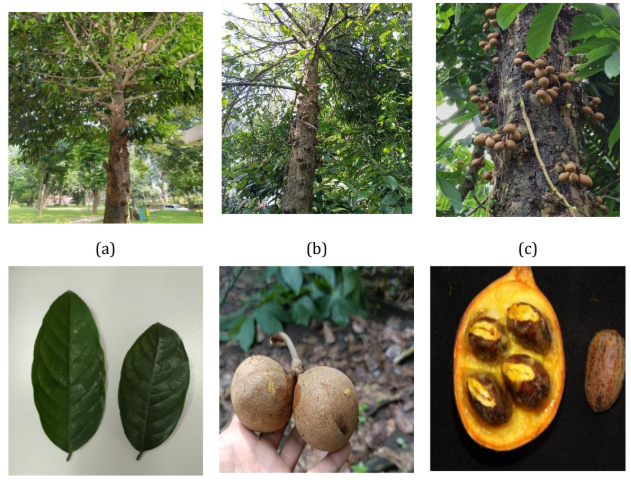
Stelechocarpus burahol (Kepel) is widely distributed in Indonesia, where its fruit has traditionally been consumed and used as a natural body fragrance from ancient times to the present. In recent decades, this species has attracted growing interest in the health sector due to its rich content of bioactive compounds. However, the natural population of S. burahol has declined over time and is currently regarded as a conservation species. This article presents an overview of the therapeutic potential of S. burahol and highlights in vitro cultivation strategies aimed at optimizing the production of bioactive metabolites. The review is based on an extensive analysis of scientific journals, conference proceedings, theses, and reference books, using keywords such as S. burahol, Kepel, bioactive compounds, and in vitro culture. Available evidence indicates that S. burahol represents a promising target for bioprospecting in the health sector, particularly due to its reported anti-inflammatory, antioxidant, antibacterial, anticancer, anti-acne, antidiabetic, antihyperuricemic, and anti-implantation activities. Furthermore, in vitro cultivation approaches offer a viable alternative to conventional field cultivation, which remains limited, for the enhanced production of bioactive compounds from this species.
Downloads
References
Abdallah, M. S., Mustafa, M., Nallappan, M. A., Choi, S., Paik, J. H., Rusea, G. (2021). Determination of phenolics and flavonoids of some useful medicinal plants and bioassay-guided fractionation substances of Sclerocarya birrea (A. Rich) Hochst stem (bark) extract and their efficacy against Salmonella typhi. Front Chem 9(1): 670530. DOI: 10.3389/fchem.2021.670530. DOI: https://doi.org/10.3389/fchem.2021.670530
Aldulaimi, O. A. (2017). General overview of phenolics from plant to laboratory, good antibacterials or not. Pharmacogn Rev 11(22): 123—127. DOI: 10.4103/phrev.phrev_43_16. DOI: https://doi.org/10.4103/phrev.phrev_43_16
Amin, A., Radji, M., Muním, A., Rhardjo, A., Suryadi, H. (2017). Halitosis activity against volatile sulfur compounds of methyl mercaptan component from burahol (Stelechocarpus burahol) fruit extract. Asian J Pharm Clin Res, 5(10): 116—119. DOI: http://dx.doi.org/10.22159/ajpcr.2017.v10i5.15862. DOI: https://doi.org/10.22159/ajpcr.2017.v10i5.15862
Angio, M. H., Firdiana, E. R. (2021). Kepel (Stelechocarpus burahol (Blume) Hook & Thompson), a Rare Fruit Unique to the Yogyakarta Palace: A Collection in Purwodadi Botanic Garden. Warta Kebun Raya, 19(2): 7—13. E-ISSN: 0215-5001. https://publikasikr.lipi.go.id/index.php/warta/article/view/746.
Bao, Y., Qu, Y,., Li, J., Li, Y., Ren, X., Maffucci, K. G., Li, R., Wang, Z., Zeng, R. (2018). In vitro and in vivo antioxidant activities of the flowers and leaves from Paeonia rockii and identification of their antioxidant constituents by UHPLC-ESI-HRMSn via pre-column DPPH reaction. Molecules 23(2): 392—407. DOI: 10.3390/molecules23020392. DOI: https://doi.org/10.3390/molecules23020392
Bisignano, C., Filocamo, A., Ginestra, G., Giofre, S. V., Navarra, M., Romeo, R., Mandalari, G. (2014). 3,4-DHPEA-EA from Olea europaea L. is effective against standard and clinical isolates of Staphylococcus sp. Ann Clin Microbiol Antimicrob 13(24): 1—4. DOI: 10.1186/1476-0711-13 24. DOI: https://doi.org/10.1186/1476-0711-13-24
Celano, R., Piccinelli, A. L., Pugliese, A., Carabetta, S., Di Sanzo, R,, Rastrelli, L., Russo, M. (2018). Insights into the analysis of phenolic secoiridoids in extra virgin olive oil. J Agric Food Chem 66(24): 6053—6063. DOI: 10.1021/acs.jafc.8b01751. DOI: https://doi.org/10.1021/acs.jafc.8b01751
Chaowasku, T., Damthongdee, A., Jongsook, H., Ngo, D.T., Le, H.T., Tran, D. M., Suddee, S. (2018). Enlarging the monotypic Monocarpieae (Annonaceae, Malmeoideae): Recognition of a second genus from Vietnam informed by morphology and molecular phylogenetics. Candollea, 73(2): 261—275. DOI: https://doi.org/10.15553/c2018v732a11. DOI: https://doi.org/10.15553/c2018v732a11
Chatrou, L. W., Pirie, M. D., Erkens, R. H. J., Couvreur, T. L. P., Neubig, K. M., Abbott, J. R., Mols, J. B., Maas, J. W., Saunders, R. M. K., Chase, M. W. (2012). A new subfamilial and tribal classification of the pantropical flowering plant family Annonaceae informed by molecular phylogenetics. Botanical Journal of the Linnean Society, 169(1): 5—40. DOI: https://doi.org/10.1111/j.1095 8339.2012.01235.x. DOI: https://doi.org/10.1111/j.1095-8339.2012.01235.x
Cos, P., Ling, L., Calomme, M., Hu, J. P., Cimanga, K., Poel, B. V., Pieters, L., Vlietinck, A. J., Berghe, D. V. (1998). Structure-Activity Relationship and Classification of Flavonoids as Inhibitors of Xanthine Oxidase and Superoxide Scavengers. J. Nat. Prod, 61(1): 71—76. DOI: 10.1021/np970237h. DOI: https://doi.org/10.1021/np970237h
Darusman, H. S., Rahminiwat, M., Sadiah, S., Batubara, I., Darusman, L. K., Mitsunaga, T. (2012). Indonesian Kepel fruit (Stelecchocarpus burahol) as an oral deodorant. Res J Med Plants 6 (2): 180—188. DOI: 10.3923/rjmp.2012.180.188. DOI: https://doi.org/10.3923/rjmp.2012.180.188
De Stefano, A., Caporali, S., Di Daniele, N., Rovella, V., Cardillo, C., Schinzari, F., Minieri, M., Pieri, M., Candi, E., Bernardini, S., Tesauro, M., Terrinoni, A. (2021). Anti-inflammatory and proliferative properties of luteolin-7 O-glucoside. Intl J Mol Sci 22(3): 1321—1339. DOI: 10.3390/ijms22031321. DOI: https://doi.org/10.3390/ijms22031321
Diniatik, D., Suwijiyo P., Sugeng R. (2017). Kaempferol from Stelechocarpus burahol (Bl.) Hook f. & Th. leaves and xanthine oxidase inhibition activity. Asian Journal of Pharmaceutical and Clinical Research 10(4), 322–328. DOI: https://doi.org/10.22159/ajpcr.2017.v10i4.16792 DOI: https://doi.org/10.22159/ajpcr.2017.v10i4.16792
Farha, A. K., Yang, Q. Q., Kim, G., Li, H. B., Zhu, F., Liu, H. Y., Gan, R. Y., Corke, H. (2020). Tannins as an alternative to antibiotics. Food Biosci 38(1): 100751. DOI: 10.1016/j.fbio.2020.100751. DOI: https://doi.org/10.1016/j.fbio.2020.100751
Guo, X., Thomas, D. C., Saunders, R. M. K. (2018). Gene tree discordance and coalescent methods support ancient intergeneric hybridisation Dasymaschalon and between Friesodielsia (Annonaceae). Molecular Phylogenetics and Evolution, 127(10): 14—29. DOI: https://doi.org/10.1016/j.ympev.2018.04.0 09. DOI: https://doi.org/10.1016/j.ympev.2018.04.009
Habibah, N. A., Moeljopawiro, S., Dewi, K., Indrianto, A. (2016). Flavonoid Production in Callus Cultures from Mesocarp Stelechocarpus burahol. Biosaintifika: Journal of Biology & Biology Education, 8(2): 214—221. DOI: https://doi.org/10.15294/biosaintifika.v8i2.6632. DOI: https://doi.org/10.15294/biosaintifika.v8i2.6632
Habibah, N. A., Moeljopawiro, S., Dewi, K., Indrianto, A. (2017). Flavonoid production, growth and differentiation of Stelechocarpus burahol (Bl.) hook. f. and th. cell suspension culture. Pakistan Journal of Biological Sciences, 20(4): 197—203. DOI: https://doi.org/10.3923/pjbs.2017.197.203. DOI: https://doi.org/10.3923/pjbs.2017.197.203
Habibah, N. A., Nugrahaningsih, W. H., Ulung, A. Y., Mukhtar, K., Wijayanti, N., Mustafa, F., Rostriana, Y. (2019). Effect of Growth Regulators on Cell Growth and Flavonoid Production in Cell Culture of Elaecarpus grandiflorus. IOP Conference Series: Earth and Environmental Science, 391(1): 1—7. DOI: https://doi.org/10.1088/1755-1315/391/1/012061. DOI: https://doi.org/10.1088/1755-1315/391/1/012061
Handayani, E., Irsyadi, M. B., Aris, I., Alawiyah, R. L. M. N., Ayuningtias, N., Permatasari, F., Rineksane, I. A. (2021). Optimization of In Vitro Sterilization of Kepel (Stelechocarpus burahol [Bl.] Hook f. & Th.) Endosperm. BIO-EDU: Jurnal Pendidikan Biologi, 6(2): 113—121. DOI: https://doi.org/10.32938/jbe.v6i2.1179. DOI: https://doi.org/10.32938/jbe.v6i2.1179
Handayani, E., Irsyadi, M. B., Alawiyah, R. L. M. N., Aris, I. (2022). Effect of Explants Sterilization and Plant Growth Regulators on Embryo Culture of Kepel ( Stelechocarpus burahol). IOP Conference Series: Earth and Environmental Science, 985(1): 1—8. DOI: https://doi.org/10.1088/1755 1315/985/1/012016. DOI: https://doi.org/10.1088/1755-1315/985/1/012016
Herlina, N., Riyanto, S., Martono, S., Rohman, A. (2018). Antioxidant activities, phenolic and flavonoid contents of methanolic extract of Stelechocarpus burahol fruit and its fractions. Dhaka University Journal of Pharmaceutical Sciences, 17(2), 153–159. DOI: https://doi.org/10.3329/dujps.v17i2.39170 DOI: https://doi.org/10.3329/dujps.v17i2.39170
Hou, W. C., Hsu, F. L. and Lee, M. H., (2002)., Yam (Dioscorea batatas) Tuber Mucilage Exhibited Antioxidant Activities in vitro. Planta Med., 68(12): 1072—1076. DOI: 10.1055/s-2002-36356. DOI: https://doi.org/10.1055/s-2002-36356
Hussain, H., Nazir, M., Green, I. R., Saleem, M., Raza, M. L. (2019). Therapeutic potential of iridoid derivatives: Patent review. Inventions 4(2): 29—44. DOI: 10.3390/inventions4020029. DOI: https://doi.org/10.3390/inventions4020029
Hutabarat, C. T., Restiani, R., Prasetyaningsih, A. (2022). Effect of Single and Combined Sterilization Treatments on In Vitro Culture of Kepel (Stelechocarpus burahol Hook f. & Thomson) Nodes. Metamorfosa, 9(2): 235—246. DOI: https://doi.org/10.24843/metamorfosa.2022.v09.i02.p01. DOI: https://doi.org/10.24843/metamorfosa.2022.v09.i02.p02
Indariani, S., Hidayat, A., Darusman, L. K., Batubara, I. (2017). Antibacterial activity of flavonoid from kepel (Stelechocarpus burahol) leaves against Staphylococcus epidermidis. Int J Pharm Pharm Sci, 9(10): 292—296. DOI: http://dx.doi.org/10.22159/ijpps.2017v9i10.19071 DOI: https://doi.org/10.22159/ijpps.2017v9i10.19071
Isah, T. (2019). Stress and defense responses in plant secondary metabolites production Biological Research, 52, 39. https://doi.org/10.1186/s40659-019-0246-3 DOI: https://doi.org/10.1186/s40659-019-0246-3
Johnson, R. J., Bakris, G. L., Borghi, C., et al. (2018). Hyperuricemia, acute and chronic kidney disease, hypertension, and cardiovascular disease: Report of a scientific workshop organized by the National Kidney Foundation. American Journal of Kidney Diseases, 71(6), 851–865. DOI: 10.1053/j.ajkd.2017.12.009 DOI: https://doi.org/10.1053/j.ajkd.2017.12.009
Lestari, D. A., Azrianingsih, R., Hendrian, H. (2017). Taxonomical position of Annonaceae species from East Java, Indonesia: Collections of Purwodadi botanic garden based on morphological character. Biodiversitas, 18(3): 1067—1076. DOI: https://doi.org/10.13057/biodiv/d180326. DOI: https://doi.org/10.13057/biodiv/d180326
Lestari, D. A., Ningrum, L. W. (2021). Morphological Diagnostic Characters and Climbing Types of Annonaceae Climbing Plant Collections. Bioedusains: Jurnal Pendidikan Biologi Dan Sains, 4(2): 117—128. DOI: https://doi.org/10.31539/bioedusains.v4i2. 2425. DOI: https://doi.org/10.31539/bioedusains.v4i2.2425
Mathews, C. K., Van Holde, K. E. (1990). Biochemistry (pp. 751—753), The Benyamin Cummings Publishing, California.
Meiyanto, E., Ratna, Handayani, Fitriarahmi. (2008). Ethanolic extract of Areca catechu seeds inhibits proliferation and induces apoptosis in MCF-7 cells. Majalah Farmasi Indonesia, 19(2): 12—19. E-ISSN : 2301—4792. https://download.garuda.kemdikbud.go.id/article.php?article=410801.
Molyneux, P. (2003). The use of the stable free radical diphenylpicrylhydrazyl (dpph) for estimating antioxidant activity. Jurnal of Science and Technology, 26(2): 211—219. https://www.thaiscience.info/journals/article/song/10462423.pdf.
Mutschler, E. (1991). Drug Dynamics (5th Edition, pp. 217—219). Translated by Mathilda B. Widiyanto and Ana S. Bandung: ITB Press.
Nourin, K., Ballard, C. J. (2006). Laser theraphy for acne. Clinic in Dermatology 24(1): 26—32. DOI: 10.1016/j.clindermatol.2005.10.020. DOI: https://doi.org/10.1016/j.clindermatol.2005.10.020
Oke, J. M., Hamburger, M. O. (2002). Screening of Some Nigerian Medicinal Plants For Antioxidant Activity Using 2,2, Diphenyl-Picryl-Hydrazyl Radical, AJBR, 5(1): 77—79. DOI: 10.4314/AJBR.V5I1-2.53985.
POWO. 2023. Plants of the World Online. Facilitated by the Royal Botanic Gardens, Kew. https://www.plantsoftheworldonline.org/.
Probojati, R. T., Hadiyanti, N., Hapsari, L. (2023). Assessment for Identification of Stelechocarpus burahol and Sister Species Complex of Annonaceae Family Using trnL Intron Sequences. Jurnal Biologi Tropis, 23(4): 643—649. DOI: https://doi.org/10.29303/jbt.v23i4.5777. DOI: https://doi.org/10.29303/jbt.v23i4.5777
Purwatiningsih, Hakim, A. R., Purwantini, I. (2010). I. Antihyperuricemic activity of the kepel [Stelechocarpus burahol (BI.) Hook. F. &Th.] leaves extract and xanthine oxidase inhibitory study. Intl J Pharm Pharm Sci 2(2): 123—127. E-ISSN: 0975-1491. https://www.researchgate.net/publication/289045942_Antihyperuricemic_activity_of_the_Kepel_Stelechocarpus_burahol_Bl_Hook_F_Th_leaves_extract_and_xanthine_oxidase_inhibitory_study.
Pyrko, P., Schöntha, A. H., Hofman, F. M., Chen, T. C., Lee, A. S. (2007). The unfolded protein response regulator GRP78/BiP as a novel target for increasing chemosensitivity in malignant gliomas. Cancer Res 67(20): 9809—9816. DOI: 10.1158/0008-5472.CAN-07-0625. DOI: https://doi.org/10.1158/0008-5472.CAN-07-0625
Rahmawati, N., Zakaria, Z. A., Sani, M. H. M., Kintoko, Jaziri, A. A. (2024). Toxicity Test of Ethanol Extract Stelechocarpus Burahol (Kepel) Fruits through Brine Shrimp Toxicity Assay. Plexus Medical Journal, 3(4): 137—145. DOI: https://doi.org/10.20961/plexus.v3i4.1810. DOI: https://doi.org/10.20961/plexus.v3i4.1810
Rahminiwati, M., Batubara, I., Sa’diah, S., Darusman, L. K., Mitsunaga, T. (2010). Anti-acne potency of kepel’s (Stelechocarpus burahol) leaf and fruit. Proceedings of International Conference on Medicinal Plants, Surabaya, Indonesia: 287—291.
Radji, M. (2022). Bioactivity and the Prospect of Stelechocarpus burahol as Oral Deodorant. EC Pharmacology and Toxicology 10(9): 46—53. DOI: https://ecronicon.net/ecpt/ECPT-10-00836.php.
Rifai, M. R., Rusmalinda, R., Sari, D. A., Faradila, S. (2022). Morphological Variation of Kepel (Stelechocarpus burahol Hook. f. & Thomson) Plants Growing in Highland and Lowland Areas Biofisma: Jurnal Riset Pendidikan, 1(1): 62—81. DOI: https://doi.org/10.47902/biofismajurnalrisetpendidikan.v1i1.250.
Rofiqah, U., Ananda, D., Nurrahmah, I. (2021). The Encapsulation Process of Flavonoid from Kepel Seeds (Stelechocarpus burahol). Eksakta: Journal of Sciences and Data Analysis, 2(2): 155—161. DOI: https://doi.org/10.20885/eksakta.vol2.iss2.art9. DOI: https://doi.org/10.20885/EKSAKTA.vol2.iss2.art9
Salem, M. M., Davidorf, F. H., Abdel-Rahman, M. H. (2011). In vitro anti-uveal melanoma activity of phenolic compounds from the Egyptian medicinal plant Acacia nilotica. Fitoterapia 82(8): 1279—1284. DOI: 10.1016/j.fitote.2011.08.020. DOI: https://doi.org/10.1016/j.fitote.2011.08.020
Saputra, Y., Anindita, D. C., Hadiyanti, N., Supandji, Hapsari, L. (2024). Characterization and impact of planthopper (Sanurus indecora) infestation on kepel (Stelecocharpus burahol) plants, Ilm. Pertan, 21(3): 174—181. DOI: https://doi.org/10.31849/jip.v21i3.19003. DOI: https://doi.org/10.31849/jip.v21i3.19003
Sari, D. K., Sugiyarto, & Semiarti, E. (2014). Callus induction and secondary metabolite production in medicinal plants through in vitro culture. Journal of Biological Sciences, 14(2), 123–130. https://doi.org/10.3923/jbs.2014.123.130.
Semiarti, E., Indrianto, A., & Purwantoro, A. (2012). In vitro culture and callus induction of tropical plant species using different plant growth regulators. Biodiversitas, 13(3), 123–129. https://doi.org/10.13057/biodiv/d130304 DOI: https://doi.org/10.13057/biodiv/d130304
Schmidt, N. F., Missan, S. R., Tarbet, W. J. (1978). The correlation between organoleptic mouth-odor ratings and levels of volatile sulfur compounds. Oral Surg Oral Med Oral Pathol 45(4): 560—567. DOI: 10.1016/0030-4220(78)90037-3. DOI: https://doi.org/10.1016/0030-4220(78)90037-3
Schunack, W., Mayer, K., Manfred, H. (1993), Drug Compounds (pp. 315–319). Translated by J. R. Wattimena and S. Soebita. Gadjah Mada University Press, Yogyakarta.
Scully, C., Greenman, J. (2000). Halitosis (breath odor). Periodontology 2000, 48(1): 66—75. DOI: https://doi.org/10.1111/j.1600-0757.2008.00266.x. DOI: https://doi.org/10.1111/j.1600-0757.2008.00266.x
Shadrina, A. N., Widyanengsih, E., Eiko, N. B., Putri, N. A., Sulastri, N., Dzulfiana, N., Rajebi, O., Sulvita, W. (2022). Phytochemical Analysis and Pharmacological Activities of Kepel (Stelechocarpus burahol) Plant Against Several Diseases: A Review. Jurnal Buana Farma 2(3): 14—21. DOI: 10.36805/jbf.v2i3.546. DOI: https://doi.org/10.36805/jbf.v2i3.546
Sibarani, D. S., Restiani, R., Prasetyaningsih, A. (2024). Browning Prevention Method in Kepel (Stelechocarpus burahol (Blume) Hook.f. & Thomson) in Vitro Culture. Jurnal Pembelajaran Dan Biologi Nukleus, 10(1): 243—253. DOI: 10.36987/jpbn.v10i1.5464. DOI: https://doi.org/10.36987/jpbn.v10i1.5464
Soeroto, E. H., Priatmodjo, D., & Sukartono, I. G. (2018). Seedling and Development of Local Fruit Plants. Jakarta: Center for Community Empowerment, National University (PPM-UNAS).
Sofyan, A., Widodo, E., Natsir, H. (2017). Bioactive component, antioxidant activity, and fatty acid profile of red Beewort (Acorus sp.) and white Beewort (Acorus calamus). Jurnal Teknologi Pertanian 18(3): 173—180. DOI: 10.21776/ub.jtp.2017.018.03.17. DOI: https://doi.org/10.21776/ub.jtp.2017.018.03.17
Sunardi, C., Sumiwi, S. A., Hertati, A. (2010). Anti-implantation study of ethanol extract of the flesh of kepel (Stelechocarpus burahol Hook f. & Thomson) in white rats. Majalah Ilmu Kefarmasian 7 (1): 1—8. DOI: https://doi.org/10.7454/psr.v7i1.3445. DOI: https://doi.org/10.7454/psr.v7i1.3445
Sunarni, T., Pramono, S., Asmah, R. (2007). Antioxidant-free radical scavenging of flavonoid from the leaves of Stelechocarpus burahol (Bl.) Hook f. & Th. Majalah Farmasi Indonesia 18(3): 111—116.
Sundari, D., Handayani, D. S., Suryanti, V. (2023). Chemical compositions, antioxidant and antibacterial activities of kepel (Stelechocarpus burahol) fruit flesh and peel extracts Biodiversitas 24(9): 4668—4675. DOI: https://doi.org/10.13057/biodiv/d240907. DOI: https://doi.org/10.13057/biodiv/d240907
Suryanti, V., Marliyana, S. D., Putri, H. E. (2016). Effect of germination on antioxidant activity, total phenolics, β-carotene, ascorbic acid and α tocopherol contents of lead tree sprouts (Leucaena leucocephala (lmk.) de Wit). Intl Food Res J 23(1): 167—172. DOI: https://www.cabidigitallibrary.org/doi/full/10.5555/20163008791.
Suryanti, V., Wibowo, F. R., Khotijah, S., Andalucki, N. (2018). Antioxidant activities of cinnamaldehyde derivatives. IOP Conf Ser Mater Sci Eng 333(1): 012077. DOI: 10.1088/1757-899X/333/1/012077. DOI: https://doi.org/10.1088/1757-899X/333/1/012077
Suryanti, V., Marliyana, S. D., Rohana, G. L., Trisnawati, E. W., Widiyanti. (2021). Bioactive compound contents and antioxidant activity of fermented lead tree (Leucaena leucocephala (lmk.) de wit) seeds. Molekul 16(3): 192—199. DOI: 10.20884/1.jm.2021.16.3.756. DOI: https://doi.org/10.20884/1.jm.2021.16.3.756
Suryanti, V., Sariwati, A., Sari, F., Handayani, D. S., Risqi, H. D. (2022). Metabolite bioactive contents of Parkia timoriana (DC) Merr seed extracts in different solvent polarities. Hayati J Biosci 29(5): 681—694. DOI: 10.4308/hjb.29.5.681-694. DOI: https://doi.org/10.4308/hjb.29.5.681-694
Strauss, J. S., Krowchuk, D. P., Leyden, J. J., Lucky, A. W., Shalita, A. R., Siegfried, E. C., Thinoutot, D. M., Van Voorrhees, A. S., Beutner, K. A., Sieck, C. K., Bhushan, R. (2007). Guidelines of Care for Acne vulgaris management. J Am Acad Dermatol, 56(4): 651—663. DOI: 10.1016/j.jaad.2006.08.048. DOI: https://doi.org/10.1016/j.jaad.2006.08.048
Tisnadjaja, D., Saliman, E., Silvia, Simanjuntak, P. (2006). Study of burahol (Stelechocarpus burahol) (Blume) Hook and Thomson) as an antioxidative compounds containing fruit. Biodiversitas 7(2): 199—202. DOI: 10.13057/biodiv/d070223. DOI: https://doi.org/10.13057/biodiv/d070223
Tjay, T. H., Rahardja, K. (1991). Important drugs (4th ed., 2nd printing, pp. 653, 670–671). Jakarta, Indonesia: PT Elex Media Komputindo.
Xue, B., Tan, Y., Thomas, D. C., Chaowasku, T. (2018). A new Annonaceae genus, Wuodendron, provides support for a postboreotropical origin of the Asian Neotropical disjunction in the tribe Miliuseae. Taxon, 67(2): 250—266. DOI: https://doi.org/10.12705/672.2. DOI: https://doi.org/10.12705/672.2
Yuanisyak, A., Zunaidah, F. N., Nurmilawati, M., Primandiri, P. R., Santoso, A. M. (2022). Morphological Characteristics of Kepel (Stelechocarpus burahol (Blume) Hook. f. & Th.) Plants in Kediri Regency. In Prosiding Seminar Nasional Kesehatan, Sains dan Pembelajaran 2(1): 523—529. DOI: 10.29407/seinkesjar.v2i1.3069.