Viability Using Multimodal Integration of Bioimpedance Spectroscopy and Spectrophotometry
DOI:
https://doi.org/10.23917/emitor.v26i2.17220Keywords:
Bacterial viability, Escherichia coli, Bioimpedance spectroscopy, Spectrophotometry, Multiple Linear RegressionAbstract
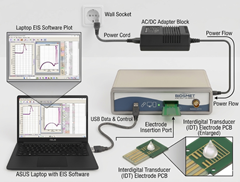
Bacterial viability monitoring is generally carried out using the Total Plate Count (TPC) method, but this method requires an incubation time of 24–48 hours, making it less efficient for rapid detection. This study aims to develop a method for estimating the number of viable bacteria based on the integration of bioimpedance and absorbance. Cell lysis was induced using varying doses of alcohol, bioimpedance measurements were performed using the BioSMET system at a frequency range of 20 Hz–100 kHz and absorbance measurements at a wavelength of 260 nm. The analysis results showed that a frequency of 70 kHz had the highest correlation with bacterial viability and was selected as the optimal frequency. Integration of both parameters using the Multiple Linear Regression (MLR) model increased the prediction accuracy with a value and RMSE of 0.4156. These results indicate that the multimodal approach is able to provide more accurate and faster estimates compared to the conventional TPC method.
Downloads
Downloads
Submitted
Accepted
Published
How to Cite
Issue
Section
License
Copyright (c) 2026 Emitor: Jurnal Teknik Elektro

This work is licensed under a Creative Commons Attribution 4.0 International License.